The Tech Edvocate

Top Menu

  • Advertisement
  • Apps
  • Home Page
  • Home Page Five (No Sidebar)
  • Home Page Four
  • Home Page Three
  • Home Page Two
  • Home Tech2
  • Icons [No Sidebar]
  • Left Sidbear Page
  • Lynch Educational Consulting
  • My Account
  • My Speaking Page
  • Newsletter Sign Up Confirmation
  • Newsletter Unsubscription
  • Our Brands
  • Page Example
  • Privacy Policy
  • Protected Content
  • Register
  • Request a Product Review
  • Shop
  • Shortcodes Examples
  • Signup
  • Start Here
    • Governance
    • Careers
    • Contact Us
  • Terms and Conditions
  • The Edvocate
  • The Tech Edvocate Product Guide
  • Topics
  • Write For Us
  • Advertise

Main Menu

  • Start Here
    • Our Brands
    • Governance
      • Lynch Educational Consulting, LLC.
      • Dr. Lynch’s Personal Website
      • Careers
    • Write For Us
    • The Tech Edvocate Product Guide
    • Contact Us
    • Books
    • Edupedia
    • Post a Job
    • The Edvocate Podcast
    • Terms and Conditions
    • Privacy Policy
  • Topics
    • Assistive Technology
    • Child Development Tech
    • Early Childhood & K-12 EdTech
    • EdTech Futures
    • EdTech News
    • EdTech Policy & Reform
    • EdTech Startups & Businesses
    • Higher Education EdTech
    • Online Learning & eLearning
    • Parent & Family Tech
    • Personalized Learning
    • Product Reviews
  • Advertise
  • Tech Edvocate Awards
  • The Edvocate
  • Pedagogue
  • School Ratings

logo

The Tech Edvocate

  • Start Here
    • Our Brands
    • Governance
      • Lynch Educational Consulting, LLC.
      • Dr. Lynch’s Personal Website
        • My Speaking Page
      • Careers
    • Write For Us
    • The Tech Edvocate Product Guide
    • Contact Us
    • Books
    • Edupedia
    • Post a Job
    • The Edvocate Podcast
    • Terms and Conditions
    • Privacy Policy
  • Topics
    • Assistive Technology
    • Child Development Tech
    • Early Childhood & K-12 EdTech
    • EdTech Futures
    • EdTech News
    • EdTech Policy & Reform
    • EdTech Startups & Businesses
    • Higher Education EdTech
    • Online Learning & eLearning
    • Parent & Family Tech
    • Personalized Learning
    • Product Reviews
  • Advertise
  • Tech Edvocate Awards
  • The Edvocate
  • Pedagogue
  • School Ratings
  • 100 Best Android Apps

  • 100 Best iOS Apps

  • 100 Best Chrome Extensions

  • 100 Best Slack Integrations

  • 100 Best Shopify Apps

  • 100 Best Apps That Integrate Freshdesk + Slack + Salesforce

  • 100 Best Open Source Alternatives

  • 100 Best SaaS Tools

  • 100 Best Cross-Platform Apps

  • 100 Best Mobile-First Apps

Tech News
Home›Tech News›US & Israel Strike Iran: Escalating Mideast Tensions

US & Israel Strike Iran: Escalating Mideast Tensions

By Matthew Lynch
March 22, 2026
0
Spread the love

In a dramatic escalation of military operations, the United States and Israel have launched targeted strikes on Iranian infrastructure, marking a significant increase in hostilities in the region. These actions have provoked Iran to respond with its own missile and drone attacks, raising fears of a broader conflict that could destabilize the Middle East.

Targeted Strikes: A New Phase in U.S.-Israel Relations

The recent military operations by U.S. and Israeli forces are part of a concerted effort to undermine Iran’s military capabilities and its influence across the region. The strikes have specifically aimed at key facilities that support Iran’s ballistic missile and drone programs, which have been a source of tension not only between these nations but also with their allies in the Gulf region.

Iran’s Retaliation: A Show of Force

In response to the strikes, Tehran has demonstrated its military capabilities through a series of missile and drone attacks aimed at U.S. interests and allies in the region. This retaliatory action underscores Iran’s commitment to defending its territorial integrity and responding to perceived aggression.

Iran’s military leadership has stated that these attacks are a direct consequence of U.S. and Israeli actions and that they will continue to protect their sovereignty against any foreign threats. The situation has now escalated to a point where both sides are engaged in a cycle of retaliation, significantly increasing the risk of a wider regional war.

The Strait of Hormuz Crisis: A Global Energy Concern

The fallout from these military operations has led to a profound disruption in global oil supply, particularly through the strategic Strait of Hormuz, which is a critical chokepoint for oil transportation. According to industry analysts, this crisis represents the largest oil supply disruption in modern history, as tanker traffic has collapsed amid fears of attacks.

  • Oil Prices Surge: The ongoing conflict has resulted in a dramatic spike in global energy prices, with prices soaring above $100 per barrel.
  • Tanker Traffic Collapse: Shipping routes through the Strait of Hormuz have become increasingly perilous, prompting many vessels to reroute or suspend operations altogether.

This crisis not only affects energy prices but also has broader implications for the global economy, which is already grappling with the impacts of inflation and supply chain disruptions.

President Trump’s Strong Warnings

In light of these developments, President Trump has issued stern warnings to Iran, emphasizing that any further aggressive actions would be met with decisive retaliation. The President has threatened to target Iran’s energy infrastructure, a move that could have devastating effects on the Iranian economy and further escalate tensions in the region.

Trump’s administration has made it clear that safeguarding U.S. interests and those of its allies is a top priority. As part of this strategy, the U.S. has increased its naval deployments in the region, aiming to protect critical shipping routes and ensure the free flow of oil.

International Reactions and Implications

The escalating conflict has drawn reactions from around the world, with various nations calling for restraint and dialogue to prevent further escalation. European nations, in particular, have expressed concern over the potential for a wider conflict that could engulf the region and impact global stability.

China and Russia have also weighed in, condemning U.S. and Israeli military actions and calling for a diplomatic solution to the crisis. The involvement of these major powers complicates the situation further, as their interests in the region may lead to increased tensions.

Potential for Further Escalation

As the conflict continues to unfold, analysts warn that the potential for further escalation remains high. The cycle of retaliation between Iran and the U.S.-Israeli alliance could spiral out of control, leading to a larger military confrontation that may involve other regional players.

Moreover, the ongoing instability in the region has significant implications for global energy security, international trade, and geopolitical relations. The situation demands careful monitoring and a coordinated response from the international community to mitigate risks and seek a peaceful resolution.

Conclusion

The recent military strikes by the U.S. and Israel against Iran have set off a chain reaction of aggressive responses that heighten the risks of a broader conflict. With the Strait of Hormuz becoming a focal point for tensions and global oil supplies under threat, the stakes have never been higher. It is imperative for international leaders to engage in dialogue and pursue diplomatic avenues to de-escalate the situation and prevent further hostilities.

Previous Article

Global Coalition Forms to Secure Strait of ...

Next Article

Trump Urges NATO to Secure Strait of ...

Matthew Lynch

Related articles More from author

  • Tech News

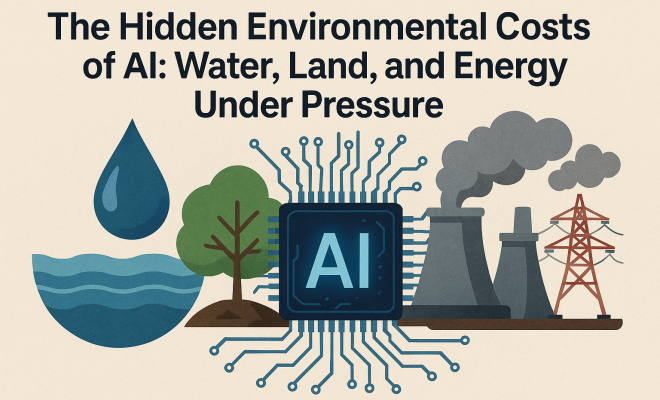
    Unmasking AI’s Environmental Footprint: Water, Land & Energy

    June 12, 2026
    By Matthew Lynch
  • Tech News

    Iran Conflict’s Environmental Toll: Climate Change & Instability

    March 29, 2026
    By Matthew Lynch
  • Tech News

    Master Camera Focus: 9 Essential Tips for Sharper Photos

    July 13, 2026
    By Matthew Lynch
  • Tech News

    AI’s Power Problem: Startups Innovate Data Center Energy in 2026

    April 4, 2026
    By Matthew Lynch
  • Tech News

    Top 10 AI Contract Review Tools Revolutionizing Legal Work by 2026

    May 12, 2026
    By Matthew Lynch
  • Tech News

    Google Forms templates for surveys

    August 7, 2026
    By Matthew Lynch

Search

Login & Registration

  • Log in
  • Entries feed
  • Comments feed
  • WordPress.org

Newsletter

Signup for The Tech Edvocate Newsletter and have the latest in EdTech news and opinion delivered to your email address!

About Us

Since technology is not going anywhere and does more good than harm, adapting is the best course of action. That is where The Tech Edvocate comes in. We plan to cover the PreK-12 and Higher Education EdTech sectors and provide our readers with the latest news and opinion on the subject. From time to time, I will invite other voices to weigh in on important issues in EdTech. We hope to provide a well-rounded, multi-faceted look at the past, present, the future of EdTech in the US and internationally.

We started this journey back in June 2016, and we plan to continue it for many more years to come. I hope that you will join us in this discussion of the past, present and future of EdTech and lend your own insight to the issues that are discussed.

Newsletter

Signup for The Tech Edvocate Newsletter and have the latest in EdTech news and opinion delivered to your email address!

Contact Us

The Tech Edvocate
910 Goddin Street
Richmond, VA 23231
(601) 630-5238
[email protected]

Copyright © 2026 Matthew Lynch. All rights reserved.