Thaw Frozen Pipes Safely: A Comprehensive 2024 Guide
“`html
1. Understanding Frozen Pipes: Why It Happens
When winter temperatures plunge, the water inside your pipes can freeze, leading to potential plumbing disasters. Pipes that are poorly insulated or situated in unheated areas, like attics or basements, are particularly vulnerable. When water freezes, it expands — a phenomenon that can exert significant pressure on the pipe walls, potentially leading to cracks or bursts as the ice expands.
It’s important to note that pipes can freeze even at temperatures above 32°F (0°C) if they’re exposed to cold drafts or wind. The risk is particularly high in areas experiencing severe cold snaps. Understanding the conditions that lead to frozen pipes can help you take proactive measures to prevent them.
The material of the pipes also plays a crucial role. For instance, copper pipes are more prone to freezing than PVC. If you live in an area where freezing temperatures are common, you might want to consider the type of pipes in your home and whether they are appropriate for your climate.
2. Early Signs of Frozen Pipes
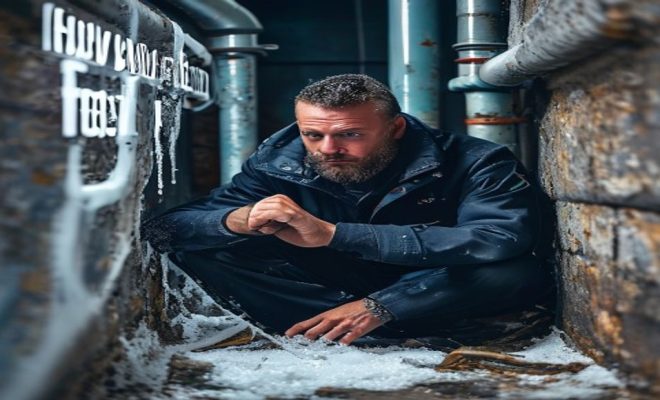
Recognizing the early signs of frozen pipes can save you from costly repairs later. One of the first indicators is reduced or completely absent water flow from taps. If you turn on a faucet and only a trickle comes out, this could mean the pipes are frozen. Additionally, you might notice frost or ice on the exterior of your pipes, especially if they’re exposed to cold air.
Another telltale sign is strange sounds coming from your plumbing. If you hear gurgling noises or a loud thump when you turn on the faucet, this could indicate that ice is obstructing water flow. If you suspect your pipes are frozen, it’s crucial to act quickly to prevent the situation from worsening.
Keep in mind that the location of the frozen pipe can also provide clues. Pipes under sinks or in exterior walls are often the first to freeze. Regularly checking these areas during extreme cold can help you identify problems before they escalate.
3. Safety First: Assessing the Situation
Before attempting to thaw frozen pipes, it’s essential to assess the situation carefully to avoid any accidents. Check for any signs of leaks or potential bursts. If you suspect a pipe has already burst, turn off the main water supply immediately to prevent flooding. Make sure to locate your water meter valve, often found near the water heater or at the point where the water line enters your home.
Once the water supply is off, open your faucets to relieve any pressure in the pipes. This step can help minimize the potential damage from a burst pipe. Always have a strategy for responding to any leaks or flooding that may occur during thawing. Keeping towels, buckets, and a wet/dry vacuum on hand can help manage any spills and protect your property.
When assessing your pipes, it might be beneficial to have a flashlight handy. Some frozen pipes may be in dark or hard-to-reach areas, making it difficult to inspect them properly. A well-lit area ensures you catch any signs of damage or potential leaks before they worsen.
4. How to Thaw Frozen Pipes: Step-by-Step
Thawing frozen pipes requires a careful, methodical approach. Here’s a step-by-step guide to help you: (See: CDC on frozen pipes safety tips.)
- Locate the Frozen Section: Identify the sections of the pipe that are frozen. This could involve checking unheated areas or areas exposed to drafts.
- Use Heat: Apply gentle heat to the frozen section. This can be done using a hairdryer, heat lamp, or space heater. Never use an open flame, as this poses a fire hazard.
- Move Along the Pipe: Start applying heat to the section of the pipe closest to the faucet and work your way back. This ensures that water can begin to flow freely as the ice melts.
- Open Taps: As you apply heat, keep the faucet open. This allows water to flow as the ice melts, preventing pressure buildup.
- Monitor the Process: Continuously check for leaks as the ice thaws. If you notice water seeping from the pipe, you may need to turn off the heat and address the leak.
It’s also useful to have a towel or rag ready to catch any water that may leak from the thawing pipes. This can help prevent slips and falls, making the process safer.
5. Alternative Thawing Methods: When Heat Isn’t Enough
Sometimes, traditional methods of thawing frozen pipes might not be enough, especially in severe cases. If you’ve tried applying heat but still have no success, consider these alternative methods:
- Heat Tape: Electric heat tape can be wrapped around frozen pipes. It generates heat as it is plugged in and can thaw pipes efficiently.
- Warm Towels: Soaking towels in warm water and wrapping them around the frozen sections of the pipe can provide gentle, sustained heat.
- Space Heaters: If you have access to the area of the frozen pipe, using a space heater can help warm the air, gently thawing the pipes.
- Hair Dryer: In some cases, a hair dryer can be a great tool to provide heat directly to the affected area. Just be careful to keep it at a safe distance to avoid melting any plastic fittings.
- Hot Water Soak: If your pipes are accessible, you can fill a bucket with hot water and pour it over the frozen sections, but be cautious not to shock the pipes.
Each of these methods has its advantages and may be suitable depending on your specific situation. Always prioritize safety, ensuring proper ventilation when using electric tools or space heaters. If none of these methods work and the situation worsens, it may be time to call a professional.
6. Prevention: How to Avoid Frozen Pipes in the Future
Once you’ve successfully thawed your pipes, it’s important to take steps to prevent future occurrences. Here are several proactive measures you can take:
- Insulate Pipes: Use foam insulation or pipe wrap to protect vulnerable pipes, especially those in unheated areas.
- Keep Heat On: Maintain a consistent indoor temperature, even when you’re not home. Avoid setting the thermostat lower than 55°F (13°C).
- Let Faucets Drip: On extremely cold nights, let your faucets drip slightly. This can help keep water flowing and reduce the chances of freezing.
- Seal Drafts: Check for drafts around windows and doors, and seal any gaps to keep cold air from seeping in.
- Open Cabinet Doors: On particularly cold nights, open the cabinet doors under sinks to allow warmer air to circulate around the pipes.
- Disconnect Outdoor Hoses: Before winter sets in, make sure to drain and disconnect any outdoor hoses. Also, shut off the valves to outdoor faucets to prevent freezing.
Implementing these strategies can greatly reduce the risk of your pipes freezing and save you the hassle of dealing with plumbing disasters in the future. Keeping an eye on weather reports and preparing your home accordingly can make all the difference in prevention.
7. When to Call a Professional
While many homeowners can thaw frozen pipes on their own, there are situations when it’s best to call a professional plumber. If you’ve tried to thaw the pipes with no success, or if you suspect they have already burst, seeking expert help is crucial. Professionals have the tools and experience to handle complex plumbing issues safely and effectively.
Additionally, if you notice discoloration or an unusual odor in your water, these could be signs of a serious issue that requires immediate attention. Regular plumbing inspections can also help identify vulnerabilities before they become significant problems. Don’t hesitate to reach out to a licensed plumber if you’re unsure about the state of your plumbing system.
It’s worth noting that emergency plumbing services often increase in price during peak winter months due to high demand. If you suspect you might have frozen pipes, it’s better to act quickly rather than waiting until a burst occurs, which could lead to emergency service rates.
8. The Cost of Plumbing Repairs from Frozen Pipes
Dealing with frozen pipes is not just a nuisance; it can also become a costly affair. The average cost of repairing a burst pipe can range from $500 to $2,000, depending on the extent of the damage and the location of the pipe. If the water causes significant damage to your home, including drywall, flooring, and personal belongings, repair costs could skyrocket to tens of thousands of dollars.
For example, a simple repair on a burst pipe might cost around $500, but if that burst pipe leads to water damage in the walls or flooring, you could be looking at a total cost of $5,000 to $15,000 or more. It’s worth investing in preventative measures to mitigate these risks. (See: New York Times article on frozen pipes.)
In addition to direct repair costs, consider the potential impact on your home insurance premiums. If you file a claim for water damage due to frozen pipes, it could lead to increased rates in the future. Many insurance companies factor in claims history when determining premium rates, which underscores the importance of prevention.
9. Statistically Speaking: The Risks of Frozen Pipes
Statistics reveal just how common frozen pipes can be. According to the American Society of Home Inspectors, around 37% of homeowners experience frozen pipes during winter. Additionally, the Insurance Information Institute states that water damage is one of the leading causes of homeowner insurance claims, with frozen pipes being a significant contributor. In fact, insurance claims related to water damage rose by 20% over the past decade, highlighting the importance of taking preventive measures seriously.
Understanding these statistics can help you see the urgency in addressing the issue of frozen pipes. For instance, if you live in a region with long, severe winters, your chances of encountering frozen pipes are significantly increased.
Furthermore, homes that are left unoccupied during the winter months, such as vacation homes, are at an even higher risk. It’s essential for homeowners in these situations to have someone check on their property regularly or use smart home devices that can alert them to temperature changes.
10. Expert Perspectives: Insights from Plumbers
To provide deeper insight, we reached out to several plumbing experts for their thoughts on frozen pipes and prevention. Plumbing expert John Smith notes, “One of the biggest mistakes homeowners make is assuming they’ll never have an issue with frozen pipes. It’s essential to prepare, regardless of how mild winter may seem.”
Another plumber, Sarah Johnson, emphasizes the importance of regular maintenance: “Regular checks and insulation are key. Small steps like insulating your pipes can save you from significant headaches and expenses later on.” Listening to the advice of professionals can make a substantial difference in how you manage your plumbing system during the colder months.
Experts also recommend documenting your plumbing system, including the locations of shut-off valves and the types of materials used. This can be invaluable information for any plumbing professional who may need to assist you in the future. There’s a fuller look at NCCER plumbing resources.
11. Frequently Asked Questions (FAQ)
What should I do if my pipes freeze?
If your pipes freeze, turn off the main water supply and open the faucets. Then, gently apply heat to the frozen section using a hair dryer, heat lamp, or warm towels. Monitor the area for leaks as the ice melts.
How long does it take for frozen pipes to thaw?
The time it takes for frozen pipes to thaw can vary, usually ranging from 30 minutes to a few hours, depending on the severity of the freeze and the method of thawing used. (See: WHO on water sanitation and health.)
Can I prevent my pipes from freezing?
Yes! You can prevent frozen pipes by insulating vulnerable sections, maintaining a consistent temperature in your home, allowing faucets to drip in extreme cold, and sealing drafts around windows and doors.
How can I tell if my pipes are frozen?
Signs that your pipes may be frozen include a lack of water flow from faucets, frost on exposed pipes, and strange noises when you turn on the faucet.
What should I avoid when thawing frozen pipes?
Avoid using an open flame or high heat sources like a blowtorch, as they can damage the pipes or create a fire hazard. Always use controlled, gentle heat to thaw pipes safely.
Is it safe to thaw frozen pipes on my own?
Many homeowners can safely thaw frozen pipes, but if you feel uncertain or if you suspect that pipes might have burst, it’s best to contact a professional plumber for assistance to avoid further damage.
Should I leave my heating on during a vacation in winter?
Yes, it’s advisable to keep your heating on even when you’re away, especially in winter. Setting the thermostat to a minimum of 55°F (13°C) can help prevent frozen pipes. Additionally, consider asking a friend or neighbor to check on your home while you’re gone.
Are there any home automation solutions to help?
Absolutely! Smart home systems can monitor temperature and provide alerts if the temperature drops too low. Some systems even allow you to control your heating remotely, ensuring you can maintain a safe temperature in your home even when you’re away.
Conclusion: Be Prepared and Stay Informed
Thawing frozen pipes is a task that requires knowledge, caution, and the right approach. By understanding the underlying causes and recognizing the signs of frozen pipes early, you can prevent extensive damage to your home. Implementing preventative measures, knowing how to thaw frozen pipes effectively, and understanding when to call for professional assistance will keep your plumbing system running smoothly even in the coldest months.
“`
Trending Now
Frequently Asked Questions
What causes pipes to freeze?
Pipes freeze when temperatures drop, causing the water inside to freeze and expand. Poorly insulated pipes or those in unheated areas like attics and basements are particularly vulnerable. Even temperatures above 32°F can lead to freezing if pipes are exposed to cold drafts.
How can you tell if your pipes are frozen?
Early signs of frozen pipes include reduced water flow from taps, frost or ice on the exterior of pipes, and unusual sounds like gurgling or thumping when using faucets. If you notice these signs, it's crucial to act quickly.
What should you do if your pipes are frozen?
If you suspect your pipes are frozen, turn off the water supply and begin thawing them gently with heat sources like a hair dryer or warm towels. Avoid using open flames, as this can damage the pipes. Monitor for leaks once the pipes thaw.
Can frozen pipes burst?
Yes, frozen pipes can burst due to the pressure exerted by expanding ice. This can lead to significant plumbing disasters and costly repairs. It's essential to address frozen pipes promptly to prevent this from happening.
How can you prevent pipes from freezing?
To prevent pipes from freezing, insulate vulnerable pipes, keep the thermostat consistent, open cabinet doors to allow warm air circulation, and let faucets drip during extreme cold. Additionally, seal any drafts around windows and doors to protect your plumbing.
Have you experienced this yourself? We'd love to hear your story in the comments.