Global Coalition Forms to Protect Strait of Hormuz Amid Rising Tensions with Iran
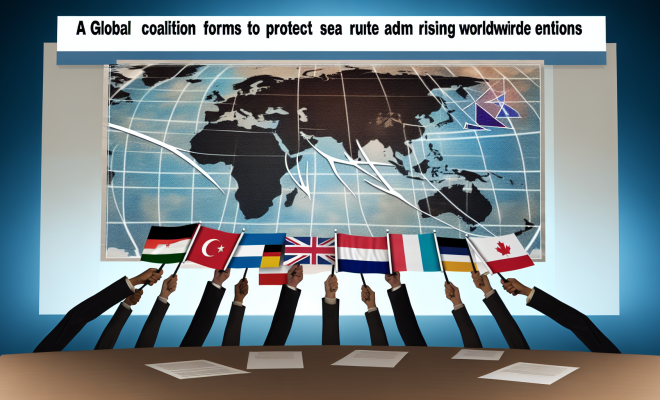
In a significant diplomatic move, over 20 nations, primarily from Europe along with the United Arab Emirates (UAE) and Bahrain, have united to ensure the safety of maritime passage through the strategically vital Strait of Hormuz. This commitment comes in the wake of escalating tensions resulting from Iranian actions that have threatened commercial vessels and civilian infrastructure in the region.
Background of the Strait of Hormuz Crisis
On March 21, 2026, the international community reacted decisively to Iran’s recent military maneuvers, which effectively closed parts of the Strait of Hormuz. This narrow passage is crucial for global oil transportation, accounting for nearly 20% of the world’s oil supply. The Iranian government has been accused of conducting attacks on vessels traversing this route, raising alarms over a potential energy crisis.
Impact on Global Oil Prices
The closure of the strait has already had immediate repercussions. Following the Iranian actions, oil prices surged alarmingly, surpassing $100 per barrel. Such a spike has raised concerns among economists and world leaders about the possibility of a global energy crisis, as higher fuel prices could ripple through economies, affecting everything from transportation costs to consumer goods.
Emergency Measures and Global Response
In response to these developments, countries like India, the Philippines, and Pakistan are preparing emergency measures to mitigate the risks associated with fuel shortages. The urgency of the situation has prompted these nations to consider various strategies to secure their energy supplies and stabilize their economies in the face of escalating oil prices.
- India: The Indian government is evaluating its strategic petroleum reserves and exploring alternative energy supplies to prevent disruption.
- Philippines: Authorities are monitoring fuel inventory levels closely and are prepared to implement rationing if necessary.
- Pakistan: Pakistan’s government is in discussions with neighboring countries to ensure a steady flow of oil and gas supplies.
Statement from the Coalition
The joint statement issued by the coalition of nations emphasizes the need for collective action to ensure freedom of navigation in the Strait of Hormuz. The participating countries condemned Iran’s aggressive posture, noting that such actions undermine international stability and threaten the security of global energy supplies.
International Reactions and Future Implications
The international community’s response indicates a growing unease regarding Iran’s influence in the region and its willingness to disrupt vital trade routes. The coalition’s formation signals a potential shift in diplomatic relations, as countries that were previously hesitant to confront Iran now feel compelled to act collaboratively.
Military Presence and Naval Patrols
As part of this commitment, participating nations are expected to increase their naval presence in the Gulf region to deter further Iranian aggression. This includes enhancing patrols and conducting joint exercises to demonstrate a united front. The objective is not only to protect shipping lanes but also to reassure global markets that the passage remains secure.
The Broader Geopolitical Landscape
The situation in the Strait of Hormuz is emblematic of broader geopolitical tensions in the Middle East. The United States, which has historically maintained a significant military presence in the Gulf, is closely monitoring the developments. Analysts suggest that the heightened military activity could lead to an arms race in the region, as nations bolster their defenses against potential Iranian provocations.
Long-Term Consequences
Experts warn that the current crisis could have long-lasting effects on global energy markets, particularly if tensions escalate further. Countries reliant on oil imports from the Gulf may need to reassess their energy policies and consider investments in renewable resources to reduce dependence on unstable regions. Furthermore, ongoing conflicts and diplomatic disputes could reshape alliances and influence trade routes for years to come.
Conclusion
The commitment of over 20 countries to secure the Strait of Hormuz marks a critical juncture in international relations and energy security. As Iran continues to assert its influence in the region, the response from the global community will be pivotal in determining the future stability of one of the world’s most important maritime corridors. The ongoing situation serves as a reminder of the interconnectedness of global economies and the importance of collaborative efforts to ensure peace and security.