Escalating Tensions: Oil Prices Surge as Khamenei Threatens Strait of Hormuz
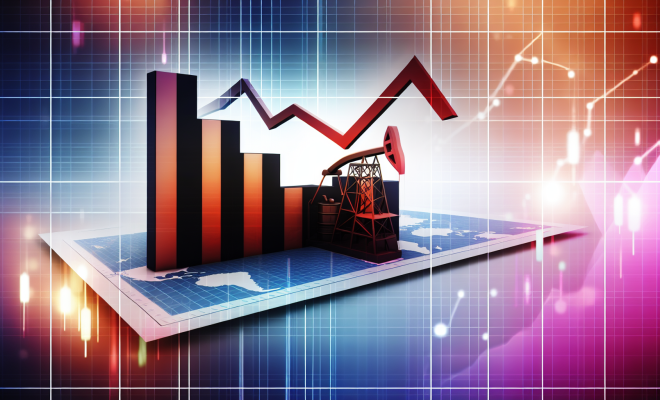
On March 13, 2026, oil prices remained elevated, hovering around the $100 per barrel mark, following alarming statements from Iran’s Supreme Leader, Ayatollah Ali Khamenei. His call to block the Strait of Hormuz, a critical chokepoint for global oil transportation, has raised concerns over significant disruptions to the oil supply chain, impacting approximately one-fifth of the world’s oil supplies.
Impact on Global Oil Markets
Brent crude prices surged to $102 per barrel in response to the escalating geopolitical tensions. The Strait of Hormuz is a vital maritime route through which nearly 20% of the world’s oil passes, and any threat to its accessibility can cause ripples in the global energy markets. Analysts warn that such disruptions could lead to prolonged supply issues, potentially pushing oil prices even higher.
Market Reactions
The implications of Khamenei’s threats have already begun to reflect in global equity markets. Stock prices across Asia experienced a notable decline, with South Korea’s Kospi index dropping by 1.7% and Hong Kong’s Hang Seng index falling by 1%. US futures also pointed toward a lower opening, as investors grappled with the uncertainties surrounding both the oil market and broader economic conditions.
Geopolitical Tensions Rise
The situation intensified as military action escalated, with reports of US and Israeli airstrikes targeting Iranian military facilities. This military engagement is a response to Iran’s provocative stance and has heightened fears of a wider conflict in the region. The combination of military action and aggressive rhetoric from Iranian leadership has led to increased volatility in the oil markets.
Stagflation Risks Loom
The potential for stagflation—a combination of stagnant economic growth, high unemployment, and rising prices—has become a pressing concern among economists. With oil prices soaring, the cost of transportation and goods is likely to rise, putting additional pressure on consumers and businesses alike. Analysts suggest that if the situation does not stabilize soon, the global economy may face significant challenges in the coming months.
Broader Economic Implications
As the conflict unfolds, the ripple effects are expected to reach beyond just the oil sector. Industries reliant on oil, such as transportation and manufacturing, may face increased operational costs, leading to higher prices for consumers. This could further dampen consumer spending, which is vital for economic recovery post-pandemic.
- Transportation Costs: Higher oil prices directly impact fuel costs, leading to increased shipping expenses and, ultimately, higher prices for goods.
- Manufacturing Sector: Industries dependent on oil-derived products may see production costs rise, affecting profit margins.
- Investor Sentiment: Heightened geopolitical risk often leads to market volatility, influencing investor decisions and market stability.
Future Outlook
Looking ahead, analysts are closely monitoring the situation for signs of de-escalation. While diplomatic efforts may be pursued to mitigate tensions, the risk of further military engagement remains. Investors are advised to stay informed and prepared for potential fluctuations in both oil prices and stock markets.
Conclusion
The developments surrounding the Strait of Hormuz and Iran’s threats pose significant challenges for the global economy. With oil prices holding firm above $100 per barrel and stock markets reacting negatively, the interconnectedness of geopolitical stability and economic health has never been more apparent. As the situation evolves, stakeholders in various sectors must remain vigilant and agile to navigate the complexities of an uncertain economic landscape.