Environmental Turmoil: Fraport AG Faces €16 Million Lawsuit Over Deforestation in Brazil
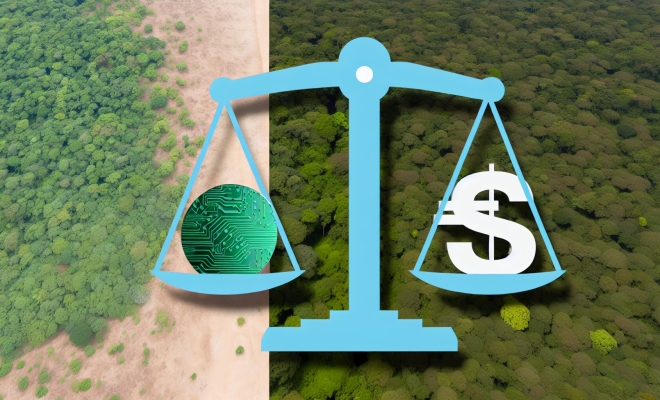
In a significant legal development, Fraport AG, the parent company of Frankfurt Airport and Fortaleza International Airport in Brazil, has been hit with a hefty €16 million lawsuit. This legal action stems from allegations of illegal deforestation of over 60 acres of the critically endangered Atlantic Forest, a global biodiversity hotspot.
The Heart of the Controversy
The lawsuit, initiated by the Brazilian environmental organization Biologia, alleges serious violations of a concession agreement approved by the Brazilian National Civil Aviation Agency (ANAC). The organization claims that Fraport AG has engaged in actions that not only infringe upon environmental laws but also threaten the delicate balance of local ecosystems and jeopardize the livelihoods of nearby communities.
Deforestation and Its Implications
The Atlantic Forest is home to an astonishing variety of flora and fauna, with approximately one in fourteen of the world’s plant species found within its borders. This unique ecosystem is recognized for its biodiversity, making it a crucial area for environmental conservation. The destruction of over 60 acres for the purpose of constructing a logistics warehouse raises serious concerns among environmentalists and local communities alike.
“This case is about more than just a violation of laws; it’s a representation of profit-driven environmental destruction,” said Hannah Lawrence, a spokesperson for Stay Grounded, an organization advocating for sustainable aviation practices. “The impact on local communities in Fortaleza is significant, exacerbating climate inequality and threatening their way of life.”
Legal Grounds for the Lawsuit
The lawsuit against Fraport AG is rooted in several key allegations:
- Violation of Concession Plans: The company is accused of deviating from approved plans set forth by ANAC, which are designed to protect environmental integrity during development projects.
- Flawed Environmental Licensing: Biologia claims that the environmental licensing process was compromised, leading to the approval of activities that endangered local wildlife habitats.
- Impact on Local Communities: The deforestation activities are said to have a detrimental effect on local populations, who rely on the forest for their livelihoods and cultural practices.
Public Bodies Implicated
The lawsuit also implicates public bodies, suggesting a failure to enforce environmental regulations effectively. This raises questions about the role of government oversight in safeguarding vital ecosystems against corporate interests. As companies like Fraport AG expand their operations, the responsibility to ensure compliance with environmental laws becomes even more critical.
The Broader Context of Environmental Activism
The lawsuit against Fraport AG is part of a larger movement within Brazil where environmental activists are increasingly holding corporations accountable for their ecological footprints. The Atlantic Forest is not just a national treasure; it is a global resource that plays a vital role in regulating the Earth’s climate. Its destruction contributes to broader environmental issues, including climate change, biodiversity loss, and social injustice.
“We cannot allow economic interests to overshadow the urgent need for environmental protection,” Lawrence added. “The consequences of such actions are felt far beyond the immediate area—climate inequality is a global issue.”
What Lies Ahead?
The outcome of this lawsuit could have significant implications for Fraport AG and its future operations in Brazil. If the court rules in favor of Biologia, it could set a precedent for stricter enforcement of environmental regulations and greater accountability for multinational corporations operating in sensitive ecological areas.
Moreover, this case could ripple through the aviation and logistics industries, prompting other companies to reevaluate their environmental practices and policies. As the world grapples with the urgent challenges of climate change, the pressure for sustainable development is mounting.
The Call for Sustainable Practices
In light of this lawsuit, stakeholders are calling for more sustainable practices in airport operations and logistics. Initiatives such as reforestation projects, renewable energy use, and community engagement programs are being advocated to mitigate the impact of infrastructure development on the environment.
- Reforestation: Companies should invest in reforestation projects to restore damaged ecosystems.
- Renewable Energy: Utilizing renewable energy sources can reduce the carbon footprint of logistics operations.
- Community Engagement: Involving local communities in planning and decision-making processes can lead to more sustainable outcomes.
Conclusion
The €16 million lawsuit against Fraport AG serves as a critical reminder of the intersection between corporate activities and environmental responsibility. As the legal proceedings unfold, it will be essential to observe how they influence corporate practices and the broader conversation about sustainability in development projects. The fate of the Atlantic Forest—and the communities that depend on it—hangs in the balance, underscoring the urgent need for proactive measures to protect our planet’s irreplaceable ecosystems.