Embracing Slow Fashion: A Sustainable Shift for Your Wardrobe
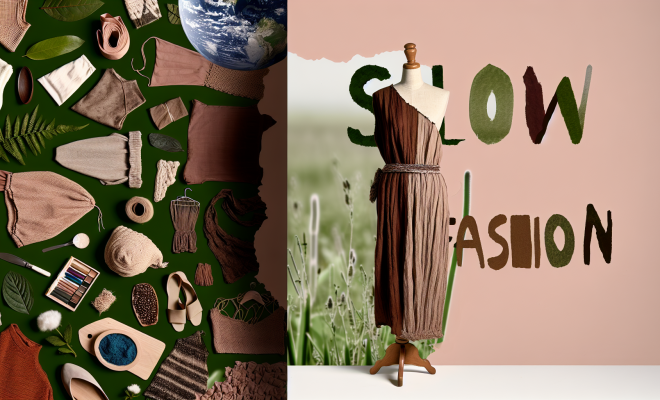
In recent years, the fashion industry has faced increasing scrutiny over its environmental impact and the ethical implications of fast fashion. As consumers become more aware of these issues, the concept of slow fashion has emerged as a refreshing alternative that encourages thoughtful consumption and sustainable practices. By prioritizing quality over quantity, slow fashion not only benefits the environment but also offers a smarter choice for your closet.
Understanding Slow Fashion
Slow fashion is a movement that promotes the creation of garments that are durable, timeless, and ethically produced. Unlike fast fashion, which is characterized by rapid production cycles and disposable clothing, slow fashion emphasizes quality craftsmanship and sustainable materials. This approach encourages consumers to invest in fewer, high-quality pieces that will last longer, ultimately leading to a more conscious and responsible wardrobe.
The Case Against Fast Fashion
The rise of fast fashion has transformed the way people shop, with brands releasing new collections at an alarming pace. While this may seem appealing, the consequences are dire:
- Environmental Impact: The fast fashion industry is one of the largest polluters in the world, producing vast amounts of waste and contributing to climate change. The production of cheap garments requires significant resources, leading to increased water usage and carbon emissions.
- Ethical Concerns: Many fast fashion brands exploit cheap labor in developing countries, subjecting workers to poor working conditions and low wages. This raises serious ethical questions about the true cost of low-priced clothing.
- Trends Over Time: Fast fashion thrives on the constant churn of trends, resulting in a culture of disposability where consumers are encouraged to discard items after only a few wears.
The Benefits of Slow Fashion
In contrast, slow fashion presents several compelling advantages that resonate with today’s conscious consumers:
- Durability: Slow fashion prioritizes well-made clothing that can withstand the test of time. By investing in high-quality pieces, consumers can reduce the need for frequent replacements, ultimately saving money in the long run.
- Ethical Production: Brands that embrace slow fashion often prioritize fair labor practices and sustainable sourcing of materials. This not only supports workers but also fosters a more equitable fashion industry.
- Reduced Waste: By choosing fewer items that are designed to last, consumers can significantly reduce their contribution to clothing waste. This is particularly important in an era where textile waste is a growing concern, with millions of tons ending up in landfills each year.
Making the Shift to Slow Fashion
Transitioning to a slow fashion mindset requires a shift in how we view our wardrobes. Here are some practical steps to make the change:
- Invest in Quality: When shopping, prioritize quality over quantity. Look for well-made garments that are timeless in style and made from sustainable materials.
- Support Local and Ethical Brands: Seek out brands that prioritize ethical practices and local production. Supporting these businesses not only helps the environment but also boosts local economies.
- Embrace Second-Hand Shopping: Thrift stores, consignment shops, and online resale platforms offer a treasure trove of unique and high-quality pieces. Shopping second-hand is a sustainable way to refresh your wardrobe without contributing to the fast fashion cycle.
- Care for Your Clothes: Extend the life of your garments by following proper care instructions. Simple practices like washing in cold water, air drying, and mending can significantly reduce wear and tear.
Conclusion
As the fashion industry continues to evolve, the slow fashion movement offers a smarter alternative for consumers who are mindful of their purchasing decisions. By choosing quality over quantity, supporting ethical brands, and reducing waste, individuals can create a wardrobe that not only reflects their personal style but also aligns with their values. In a world where trends come and go at lightning speed, embracing slow fashion is not just a trend; it’s a responsible choice for a more sustainable future.