Crude Oil Prices Surge as Tensions Rise Over Iran Threats
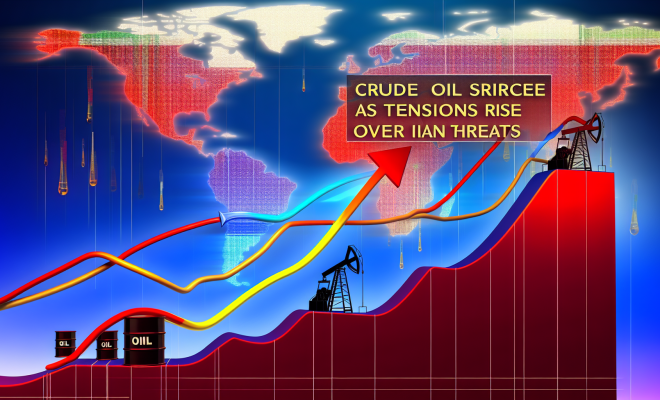
On March 16, 2026, global crude oil prices experienced a significant uptick, climbing over 1% to exceed the $100 per barrel mark. This rise in prices is primarily attributed to escalating geopolitical tensions following a stern warning from former President Donald Trump regarding potential military action against Iran’s Kharg Island oil hub.
The Context of Rising Oil Prices
The recent spike in oil prices comes in the wake of US airstrikes targeting a key Iranian oil export facility. These developments have heightened fears of potential disruptions in the Strait of Hormuz, a vital waterway through which approximately 20% of the world’s oil supply is transported. Such threats are causing market participants to brace for possible energy supply shocks, which could further exacerbate the already volatile oil market.
Market Reactions
Brent crude, a benchmark for international oil prices, had surged past $115 earlier in the week before experiencing a slight correction. The fluctuation in oil prices highlights the sensitivity of the market to geopolitical events and the potential for rapid changes in supply and demand dynamics.
Impact on Global Oil Supply
The Strait of Hormuz is a critical chokepoint for global oil shipments. Any disruption in this region could lead to significant increases in oil prices worldwide, affecting not only producers but also consumers. Analysts predict that if tensions continue to escalate, we may witness a sustained increase in crude oil prices, which could have broader implications for the global economy.
Current Oil Price Trends
- Crude Oil Price: Surged above $100 per barrel
- Brent Crude Price: Reached over $115 earlier in the week
- Market Sentiment: Increased fear of supply disruptions
The recent developments have prompted analysts to reconsider their forecasts for oil prices in the coming months. With supply disruptions looming, the market’s nervousness is palpable, and traders are closely monitoring the situation as it unfolds.
Geopolitical Factors at Play
The current tensions between the United States and Iran are not new; they have been simmering for years, particularly since the US withdrew from the Iran nuclear deal in 2018. This withdrawal led to a series of sanctions against Iran, severely impacting its economy and oil exports. The latest threats from Trump signal a possible escalation that could have far-reaching consequences.
Potential Consequences of Increased Tensions
- Increased Oil Prices: Further military actions could push prices even higher.
- Global Economic Impact: Higher oil prices could lead to inflationary pressures worldwide.
- Supply Chain Disruptions: Key oil supply routes may become vulnerable to attacks.
Economists warn that if oil prices remain elevated, consumers could face higher costs for gasoline and other oil-related products. This could dampen consumer spending and slow economic growth, particularly in oil-importing nations.
Conclusion
The oil market remains on edge following the recent geopolitical developments involving Iran. As crude oil prices rise above $100 per barrel, fueled by fears of supply disruptions, the global economy is bracing for potential impacts. Investors and analysts alike are keeping a close eye on the situation, as the outcome of these tensions could shape the energy landscape for months and even years to come.
In summary, the interplay of geopolitical factors and market reactions is a crucial element in understanding the current state of oil prices. With the potential for further developments, the coming days will be critical in determining the trajectory of crude oil prices and their broader economic implications.