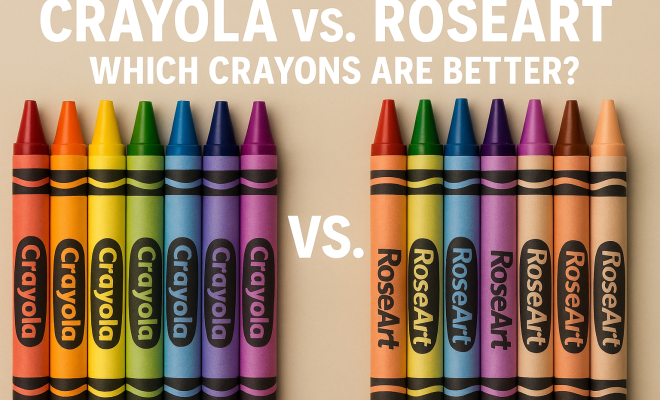
Crayola vs. RoseArt: Which Crayons Are Better?
“`html
When it comes to art supplies, especially crayons, two names stand tall in the industry: Crayola and RoseArt. If you’ve ever strolled down the stationary aisle, you’ve likely seen these brands competing for your attention. But which one truly deserves a spot in your child’s art box? In this comprehensive breakdown of Crayola vs RoseArt crayons, we’ll explore their backgrounds, product offerings, quality, price, and expert opinions to help you decide.
1. History of Crayola
Crayola has been a household name since its inception in 1903. Created by Edwin Binney and C. Harold Smith, the brand’s first box of crayons contained eight colors and was aimed at children. Over the years, Crayola has expanded its offerings to include not just crayons but also markers, colored pencils, and even paints. Their commitment to quality and innovation has made them a trusted name among parents and educators alike.
In 1984, Crayola introduced the world to its famous ‘Crayola Colors’ which included unique names like ‘Razzmatazz’ and ‘Violet Red’. Their focus on creativity and fun continues to resonate with consumers. Today, Crayola products are widely used in schools and homes, often considered the gold standard in coloring supplies.
2. The Journey of RoseArt
Founded in 1970, RoseArt emerged as a competitor to Crayola, focusing on providing affordable art supplies. The brand was created by the Rose family and began by manufacturing crayons and other stationery products. Over the years, RoseArt has carved out a niche for itself in the market, appealing mainly to budget-conscious consumers.
While RoseArt might not have the same historical prestige as Crayola, it has developed a loyal customer base who appreciate its affordability and decent quality. The brand has also made efforts to expand its product line, offering items like washable markers and colored pencils, but it remains primarily known for its crayons.
3. Quality Comparison
One of the most critical aspects when comparing Crayola vs RoseArt crayons is their quality. Crayola is renowned for its creamy texture and vibrant colors. Each crayon is designed to glide smoothly on paper, making coloring a delightful experience. The colors are richly pigmented, allowing for bold strokes that can easily cover large areas.
On the other hand, RoseArt crayons are often considered a step down in quality. While they do provide decent colors, users frequently report that they can be harder and less vibrant than Crayola crayons. This might lead to a less satisfying coloring experience, particularly for children who are sensitive to texture and color saturation. creative uses for broken crayons offers useful background here.
4. Product Range and Color Variety
Crayola offers a staggering variety of crayon colors and types, including specialty crayons like twistables, glitter, and metallic finishes, which provide endless creative possibilities for young artists. Their standard crayon box comes in sizes ranging from 8 to 152 different colors, catering to every conceivable need.
In contrast, RoseArt has a more limited selection of colors. Their standard crayon box typically includes fewer hues, which might disappoint those looking for extensive color options. However, RoseArt does offer some unique products like their ‘Scented Crayons’ that add an element of fun for younger users.
5. Environmental Considerations
In recent years, consumers have become increasingly conscious of the environmental impact of their purchases. Crayola has made significant strides in sustainability, pledging to use recycled materials in its products and packaging. The company has committed to reducing its carbon footprint and has implemented initiatives to recycle used crayons. (See: Crayola history and products.)
Conversely, RoseArt has been slower to adopt eco-friendly practices. While they do offer some products made with non-toxic materials, their overall sustainability efforts are less prominent. For environmentally conscious parents, this distinction could make a substantial difference when choosing between the two brands.
6. Price Point Analysis
When it comes to pricing, RoseArt typically takes the crown as the more affordable option. An average box of RoseArt crayons can cost anywhere from $2 to $5, depending on the size and color variety. This accessibility makes RoseArt a popular choice among budget-conscious families and schools.
In contrast, Crayola crayons are priced slightly higher, with standard boxes ranging from $4 to $10. Although they are more expensive, many parents argue that the superior quality and longevity of the product justify the price difference. Choosing between the two brands may ultimately come down to weighing quality against affordability.
7. Expert Opinions and Consumer Reviews
Experts in child development and art education often recommend Crayola crayons for their superior quality and vibrant colors that inspire creativity. Many educators note that children tend to enjoy coloring more with Crayola, leading to a more engaging learning experience. Reviews on popular retail sites frequently highlight Crayola’s smooth application and richness of color, contributing to positive experiences in both home and classroom settings.
Conversely, while RoseArt has received praise for being budget-friendly, some users point out that the crayons can break more easily and produce less vivid colors. Customer reviews often suggest that while RoseArt may suffice for casual use, Crayola is the preferred choice for serious young artists.
8. Final Thoughts: Which Is Right for You?
Ultimately, the choice between Crayola vs RoseArt crayons depends largely on your priorities. If you’re looking for the best quality, vibrant colors, and a proven track record, Crayola is the clear winner. Their crayons tend to last longer and provide a better coloring experience, making them worth the investment for many families.
However, if you’re on a tight budget or just need a basic set of crayons for occasional use, RoseArt has its merits. The affordability and decent quality can make it a suitable choice for casual coloring. When making your decision, consider how often the crayons will be used and the importance of quality versus cost.
9. Where to Buy
If you’ve decided to make a purchase, both Crayola and RoseArt crayons are widely available. Major retailers like Walmart, Target, and Amazon typically stock both brands. During back-to-school season, you might even find special promotions or discounts, making it a great time to stock up. Online platforms also provide an excellent place to compare prices and read customer reviews to ensure you’re making an informed choice.
In conclusion, the great crayon debate between Crayola and RoseArt boils down to personal preference, budget constraints, and how serious you are about coloring. Whether you choose the classic Crayola or the budget-friendly RoseArt, there’s no denying that both brands have made their mark in the world of arts and crafts.
10. Comparative Analysis of Usage
When it comes to the practical use of crayons, understanding the differences in how Crayola and RoseArt crayons perform can significantly impact your decision. For example, Crayola crayons tend to hold their shape better during use. This means less frustration for kids when they’re trying to color. Many parents have noted that Crayola crayons are less prone to breaking, which can be a common issue with RoseArt crayons, especially under pressure from younger hands.
In various art projects, such as creating posters or coloring books, the vibrant hues of Crayola crayons often stand out more prominently. A study by the National Art Education Association noted that the choice of art supplies can influence children’s enthusiasm and willingness to engage in creative activities. This suggests that using higher-quality brands like Crayola could potentially foster a more positive experience and lead to better artistic outcomes. (See: importance of art in education.) See also affordable art supplies for classrooms.
11. Expert Recommendations on Crayon Use
Art educators frequently emphasize the importance of using high-quality materials in creative activities. According to art educator and author Lisa Donovan, the texture and quality of crayons can significantly affect a child’s enjoyment and creativity. Donovan suggests that children are more likely to express themselves when they have tools that work well and feel good in their hands. She often recommends Crayola for beginners and serious young artists alike, noting that these crayons can inspire confidence in creative expression. While RoseArt is a decent option for casual use, Donovan believes that investing in Crayola crayons can yield better long-term results in a child’s artistic development.
12. Statistical Insights: Market Shares and Trends
To put some numbers behind the Crayola vs RoseArt crayons debate, we can look at recent market trends. According to industry reports, Crayola holds approximately 70% of the crayon market share in the United States as of 2023. This dominance is attributed to their strong brand recognition and a loyal consumer base that values quality. In contrast, RoseArt holds around 20% of the market, with a focus on affordability that appeals to a different segment of consumers.
As of the last reported year, Crayola sold over 3 billion crayons annually, which speaks volumes about their popularity. The increasing trend towards eco-friendly products has also played a significant role in Crayola’s continued success, with 40% of parents expressing a preference for brands that prioritize sustainability in their products.
13. Frequently Asked Questions (FAQ)
1. Are Crayola crayons safe for young children?
Yes, Crayola crayons are generally safe for young children. They are non-toxic and conform to ASTM D-4236 standards, meaning they meet safety regulations for art materials. However, it’s always a good idea to supervise children while they use any art supplies.
2. Do RoseArt crayons also meet safety standards?
Yes, RoseArt crayons are also non-toxic and comply with safety regulations. However, it’s important to check packaging for specific labeling, especially if you have concerns about particular ingredients.
3. Can you mix different brands of crayons?
Absolutely! Mixing different brands of crayons can create unique effects. Some artists even prefer to use both Crayola and RoseArt for various projects, depending on the desired outcome and texture.
4. Which crayons are better for blending colors?
Crayola crayons are often noted for their superior blending capabilities due to their smooth texture and high pigmentation. However, some artists enjoy experimenting with RoseArt crayons for more subtle effects, especially in mixed media projects.
5. What are some creative projects to do with crayons?
There are tons of fun projects you can do with crayons! Popular ideas include crayon art, melted crayon art, DIY candles, and even using crayons for stenciling. Both Crayola and RoseArt crayons can be used creatively to enhance your artistic explorations.
6. How do I store crayons to prevent breakage?
To prevent crayons from breaking, store them in a cool, dry place away from direct sunlight. Organizing them in a sturdy box or container can also help minimize damage. Avoid placing heavy items on top of crayons, as this can lead to breakage. (See: benefits of creativity for children.)
7. What is the best way to remove crayon from walls or furniture?
To remove crayon marks, you can use a mixture of baking soda and water to gently scrub the affected area. Alternatively, a commercial crayon remover or a mixture of vinegar and dish soap may also be effective. Always test any cleaning method in a small, inconspicuous area first to avoid damage.
14. Consumer Trends in Crayon Use
Understanding consumer trends can shed light on the ongoing popularity of Crayola and RoseArt crayons. Recent surveys indicate that parents increasingly prefer brands that not only offer quality but also engage children in creative learning. A significant number of parents (around 65%) reported that they choose Crayola over other brands for educational projects and home use due to its superior reputation among educators.
On the other hand, RoseArt has maintained a solid foothold in the market by appealing to cost-conscious families who prioritize affordability. Surveys show that approximately 45% of families with limited art supplies on hand often opt for RoseArt products. This indicates that while Crayola may dominate in quality and preference, RoseArt still holds value for its accessibility.
15. Future of Crayons: Innovations and Trends
Looking ahead, the crayon market is evolving with technological advancements and changing consumer preferences. Crayola has begun experimenting with augmented reality features in some of its products, allowing children to color and then see their artwork come to life in a digital environment. This innovation not only enhances the coloring experience but also integrates modern technology with traditional art practices.
RoseArt, aware of the competitive landscape, is focusing on expanding its product range to include more washable and non-toxic options. The brand has also hinted at potential collaborations with popular children’s franchises to boost their appeal among young audiences. As the market continues to shift towards sustainability and technology, both brands are likely to adapt, ensuring they remain relevant and engaging for future generations.
16. Final Verdict on Crayola vs RoseArt
As we wrap up this deep dive into the world of crayons, it’s clear that both Crayola and RoseArt have their strengths and weaknesses. Crayola shines in quality, variety, and innovation, making it the go-to choice for artists and serious hobbyists. On the other hand, RoseArt offers a budget-friendly alternative that can still satisfy casual coloring needs.
Ultimately, your choice may come down to personal preference, your child’s needs, and your budget. Regardless of your decision, both brands provide unique opportunities for creativity and self-expression for children and adults alike. Happy coloring!
“`
Trending Now
Frequently Asked Questions
Which crayons are better, Crayola or RoseArt?
Crayola is often considered the gold standard in crayons due to its long history, quality, and wide range of colors. RoseArt, while more affordable, offers decent quality that appeals to budget-conscious consumers. Ultimately, the choice depends on individual preferences and needs.
What is the history of Crayola crayons?
Crayola was founded in 1903 by Edwin Binney and C. Harold Smith, initially offering a box of eight colors aimed at children. Over the years, Crayola has expanded its product line and is known for its innovative colors and commitment to quality, making it a trusted name in art supplies.
Are RoseArt crayons any good?
RoseArt crayons are recognized for their affordability and decent quality. While they may not have the same prestige as Crayola, they have developed a loyal customer base, particularly among those looking for budget-friendly art supplies.
What products does Crayola offer besides crayons?
In addition to crayons, Crayola offers a wide range of art supplies, including markers, colored pencils, paints, and even creative kits. Their diverse product line caters to various artistic needs and encourages creativity among children and adults alike.
How do Crayola and RoseArt crayons compare in price?
Crayola crayons tend to be priced higher due to their established brand reputation and quality. In contrast, RoseArt crayons are generally more affordable, making them a popular choice for budget-conscious consumers looking for good value in art supplies.
What did we miss? Let us know in the comments and join the conversation.