Pakistan’s Wildfire Crisis: Climate Change Fuels Devastation
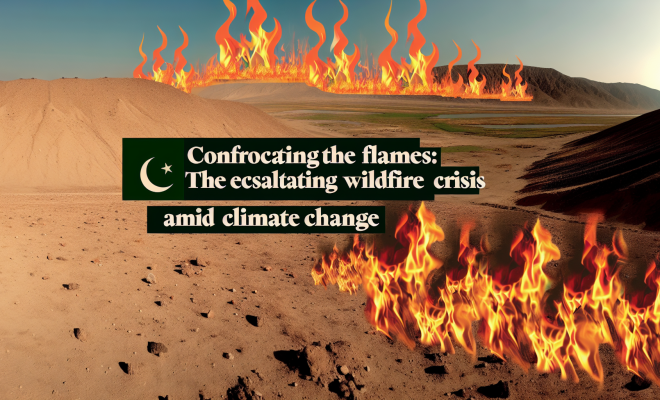
The rising temperatures associated with climate change are not just abstract statistics; they manifest in real and devastating ways. In Pakistan, the frequency and intensity of wildfires have surged dramatically, leading to significant ecological destruction and posing a threat to local communities. This escalating crisis is a wake-up call that demands urgent action and comprehensive strategies to mitigate its effects.
The Current Landscape of Wildfires in Pakistan
Over recent years, wildfires in Pakistan have transitioned from rare occurrences to frequent disasters. The patterns of these fires are alarming, with reports indicating a notable increase in both the number of incidents and the areas affected. The National Disaster Management Authority (NDMA) has documented an uptick in wildfires, particularly in regions like Baluchistan and Khyber Pakhtunkhwa, where the environment is particularly susceptible to climate-induced changes.
Statistics on Wildfires
- In 2022 alone, Pakistan reported over 200 major wildfire incidents.
- Baluchistan saw a 60% increase in wildfire occurrences compared to the previous year.
- More than 300,000 acres of forest land have been lost to wildfires in the last three years.
Understanding the Drivers of Increased Wildfires
Several interconnected factors contribute to the rise of wildfires in Pakistan. Primarily, the shifting climate conditions driven by global warming create an environment ripe for fires to ignite and spread.
Climate Change and Its Impact
As global temperatures rise, Pakistan has experienced increased heatwaves, prolonged dry spells, and erratic rainfall patterns. These conditions create a perfect storm for wildfires:
- Higher Temperatures: With average temperatures rising, the likelihood of vegetation becoming dry and combustible increases.
- Drought Conditions: Extended periods of drought reduce moisture in the soil and vegetation, making them more susceptible to catching fire.
- Erratic Weather Patterns: Unpredictable rainfall can lead to sudden growth of vegetation, which later dries out and becomes fuel for wildfires.
Human Activities as Catalysts
While climate change lays the groundwork for wildfires, human activities often act as the catalysts that spark these devastating events:
- Deforestation: The ongoing deforestation for agriculture and urban development reduces natural barriers against wildfires.
- Improper Land Management: Practices that ignore ecological balance make regions more prone to wildfires.
- Negligence: Many wildfires are ignited by human carelessness, whether through campfires, burning waste, or agricultural practices.
The Ecological Impact of Wildfires
The ecological consequences of wildfires in Pakistan extend well beyond the immediate destruction of flora and fauna. The fires disrupt entire ecosystems and threaten biodiversity:
Loss of Biodiversity
Wildfires can devastate habitats, leading to a decline in various plant and animal species. The unique biodiversity of Pakistan, which includes endangered species such as:
- The Markhor (Capra falconeri)
- The Indus River Dolphin (Platanista gangetica minor)
- The Common Leopard (Panthera pardus)
is at risk as their habitats are destroyed or altered by the fires. The loss of these species not only diminishes ecological diversity but also impacts local communities that rely on wildlife for their livelihoods.
Soil Degradation
The aftermath of wildfires leads to soil degradation, as the protective layer of vegetation is stripped away. This can result in:
- Soil Erosion: Without vegetation to anchor the soil, erosion can occur, leading to loss of land and nutrients.
- Decreased Soil Fertility: The intense heat from wildfires can alter soil composition, reducing its ability to support plant life.
Air Quality Deterioration
Wildfires produce significant amounts of smoke and pollutants, contributing to deteriorating air quality. This poses health risks to nearby populations, particularly vulnerable groups such as the elderly and children. The pollutants released include:
- Particulate matter (PM2.5 and PM10)
- Carbon monoxide
- Volatile organic compounds (VOCs)
The long-term exposure to these pollutants can lead to respiratory problems and other health issues.
Impact on Local Communities
The ramifications of wildfires extend beyond the environment, significantly affecting local communities and their livelihoods:
Economic Consequences
For many rural communities in Pakistan, agriculture and livestock farming are primary sources of income. Wildfires can decimate crops and pastureland, leading to:
- Loss of Income: Farmers may lose their entire harvest, resulting in economic instability.
- Increased Food Insecurity: The loss of agricultural output can exacerbate food shortages in vulnerable populations.
Displacement of Communities
In severe cases, wildfires can force entire communities to evacuate their homes. This displacement can lead to:
- Loss of Cultural Heritage: Communities may abandon their ancestral lands and traditions.
- Psychological Stress: The trauma associated with losing homes and livelihoods can have lasting psychological effects.
Mitigation and Adaptation Strategies
Confronting the rising threat of wildfires in Pakistan requires a multifaceted approach that includes both mitigation and adaptation strategies. Here are several key recommendations:
Forest Management Practices
Implementing sustainable forest management practices can help reduce the risk of wildfires. Some effective strategies include:
- Controlled Burns: Utilizing controlled burns can reduce fuel loads in forests, lowering the risk of uncontrolled wildfires.
- Reforestation: Planting trees in areas affected by past wildfires can restore ecosystems and act as barriers against future fires.
Community Awareness and Education
Raising awareness and educating local communities about wildfire risks and prevention measures is crucial:
- Workshops: Conducting workshops can equip communities with knowledge on safe land management practices.
- Engagement Programs: Involving local populations in fire prevention efforts fosters a sense of ownership and responsibility.
Policy Implementation
The government plays a critical role in addressing the wildfire crisis through effective policy-making:
- Regulations on Land Use: Enforcing stricter regulations on land use can help prevent practices that exacerbate wildfire risks.
- Funding for Fire Management: Allocating budgets for wildfire management and prevention initiatives is essential.
International Cooperation and Support
Given the global nature of climate change, international cooperation is vital in combating the wildfire crisis. Collaborative efforts can include:
- Sharing Best Practices: Countries can share successful wildfire management strategies and technologies.
- Financial Assistance: International organizations can provide financial support for reforestation and community resilience projects.
Conclusion: A Call to Action
The rising environmental crisis in Pakistan, marked by escalating wildfires, underscores the urgent need for immediate action. The interplay between climate change and human activities is undeniable, and addressing this crisis requires a comprehensive approach that encompasses ecological, social, and economic dimensions. By implementing effective mitigation strategies, fostering community engagement, and promoting international cooperation, Pakistan can work towards a resilient future that protects both its environment and its people.
As global temperatures continue to rise, the time to act is now. Each step taken towards managing wildfires can contribute significantly to preserving the rich biodiversity and livelihoods that define the fabric of Pakistan’s diverse landscapes.