The Tech Edvocate

Top Menu

  • Advertisement
  • Apps
  • Home Page
  • Home Page Five (No Sidebar)
  • Home Page Four
  • Home Page Three
  • Home Page Two
  • Home Tech2
  • Icons [No Sidebar]
  • Left Sidbear Page
  • Lynch Educational Consulting
  • My Account
  • My Speaking Page
  • Newsletter Sign Up Confirmation
  • Newsletter Unsubscription
  • Our Brands
  • Page Example
  • Privacy Policy
  • Protected Content
  • Register
  • Request a Product Review
  • Shop
  • Shortcodes Examples
  • Signup
  • Start Here
    • Governance
    • Careers
    • Contact Us
  • Terms and Conditions
  • The Edvocate
  • The Tech Edvocate Product Guide
  • Topics
  • Write For Us
  • Advertise

Main Menu

  • Start Here
    • Our Brands
    • Governance
      • Lynch Educational Consulting, LLC.
      • Dr. Lynch’s Personal Website
      • Careers
    • Write For Us
    • The Tech Edvocate Product Guide
    • Contact Us
    • Books
    • Edupedia
    • Post a Job
    • The Edvocate Podcast
    • Terms and Conditions
    • Privacy Policy
  • Topics
    • Assistive Technology
    • Child Development Tech
    • Early Childhood & K-12 EdTech
    • EdTech Futures
    • EdTech News
    • EdTech Policy & Reform
    • EdTech Startups & Businesses
    • Higher Education EdTech
    • Online Learning & eLearning
    • Parent & Family Tech
    • Personalized Learning
    • Product Reviews
  • Advertise
  • Tech Edvocate Awards
  • The Edvocate
  • Pedagogue
  • School Ratings

logo

The Tech Edvocate

  • Start Here
    • Our Brands
    • Governance
      • Lynch Educational Consulting, LLC.
      • Dr. Lynch’s Personal Website
        • My Speaking Page
      • Careers
    • Write For Us
    • The Tech Edvocate Product Guide
    • Contact Us
    • Books
    • Edupedia
    • Post a Job
    • The Edvocate Podcast
    • Terms and Conditions
    • Privacy Policy
  • Topics
    • Assistive Technology
    • Child Development Tech
    • Early Childhood & K-12 EdTech
    • EdTech Futures
    • EdTech News
    • EdTech Policy & Reform
    • EdTech Startups & Businesses
    • Higher Education EdTech
    • Online Learning & eLearning
    • Parent & Family Tech
    • Personalized Learning
    • Product Reviews
  • Advertise
  • Tech Edvocate Awards
  • The Edvocate
  • Pedagogue
  • School Ratings
  • Shocking Truth: The Real Cost of Building Data Centers No One Talks About

  • The Unseen War: How Unionization Is Quietly Reshaping Tech Jobs

  • The Unseen War: Why Data Center Jobs Are Sparking a Political Firestorm

  • The Next Big Shake-Up: 10 PropTech Startups Poised for Acquisition in 2026

  • How to Leverage AI-Powered Tools for Real Estate Transactions in 2026

  • This One Tech Trend Is Quietly Reshaping Real Estate by 2026

  • The Shocking Truth About Duck Creek vs Reserv: Is One Quietly Dominating AI Insurance?

  • The AI Revolution: 10 Platforms Fixing Insurance Claims Forever

  • This One Change Is Quietly Revolutionizing Insurance for Millions

  • The Mind-Blowing Battle: Space Solar Power vs. Traditional Renewables – Which Will Power Our Future?

Professional Development
Home›Professional Development›Certificates vs. Certifications vs. Licenses: Your Guide

Certificates vs. Certifications vs. Licenses: Your Guide

By Matthew Lynch
November 19, 2024
0
Spread the love

Without a question, a strong education assists people in finding decent careers. In a market packed with graduates from many professions, possessing educational credentials demonstrates to hiring managers that you have the experience, abilities, and knowledge needed to accomplish the job properly.

When exploring school alternatives, keep in mind that there are other qualifications available besides a degree. Here are three main qualifications that are frequently mistaken with one another.

Certificates

Vocational schools and colleges provide certificates. Students who have completed the courses for a certificate program are the primary recipients. This occurs in a shorter period than academic degrees. Students must acquire marks to obtain a certificate, but they are not required to pass any significant tests.

Certificates awarded, like college majors, are unique to the schools where they are earned. Depending on the curriculum, you may receive a graduate or undergraduate certification. Certificates are a type of academic certification, although they are not academic degrees.

The Physical Therapy Assistant Certificate and the Certificate in Machine Learning are two examples.

Certifications

Certificates and certifications may sound similar, but they are not the same thing. Companies, professional groups, and independent organizations bestow certifications. Certifications are established credentials that certify a person for work in a certain field. Exams and academic requirements are frequently included in certifications.

Even though credentials are suitable for industry standards, they are not always required for work in particular professions. Some credentials, however, may be required for professional progress. There are certain industries where you may acquire a job without these certificates.

The authority, trustworthiness, and standard of the body issuing the certification determine its quality and strength. Some certificates are extremely tough to obtain, while others are not. Certified Ethical Hacker (CEH) and Certified Public Accountant are two examples (CPA).

Licenses

State governments grant licenses once a professional has passed an exam and completed the necessary education and training. Some licenses have additional requirements, such as completing a particular amount of work hours. State licensing regulations differ, however certain states have similarities. Licensed Cosmetology and Licensed Clinical Social workers are two examples of licenses (LCSW).

What Is the Purpose of These Certificates?

Certifications can be used for a variety of purposes, including the development of a unique talent or the provision of job-specific training for jobs such as dental hygienist. Certificates add valuable abilities to your CV, but they aren’t always enough to land a job in some fields.

Certifications might also assist you to do business in particular areas. Government agencies issue licenses, which are required in the fields where they are required. Make sure you fulfill the exam and educational prerequisites before applying for a license.

Certificate vs. Certification

Certificate programs do not lead to certification, but they do train students for certain jobs. Certificate programs can sometimes be used to prepare for exams for professional certifications. Certification proves that you have fulfilled an industry standard or passed an exam, whereas a certificate proves that you have received an education.

Certification vs. License

Degrees and certificates are followed by licenses and certifications. To be able to prepare for a certification exam, you must first have an education. A professional license requires schooling and qualification examinations.

Finally, consider the following:

Certificates, Licenses, and Certificates are all important in their own right. Knowing how each one influences your professional and educational goals can help you stay on track.


Previous Article

Best Places to Live in North Miami ...

Next Article

Best Places to Live in Freeport, New ...

Matthew Lynch

Related articles More from author

  • Professional Development

    The Real Definition Of Employee Onboarding

    March 20, 2023
    By Matthew Lynch
  • Professional Development

    10 Tips for Maximizing a Virtual PD Event

    May 28, 2023
    By Matthew Lynch
  • Professional Development

    Training Automation: 7 Reasons Your Employees (And Bottom Line) Need It

    March 20, 2023
    By Matthew Lynch
  • Professional Development

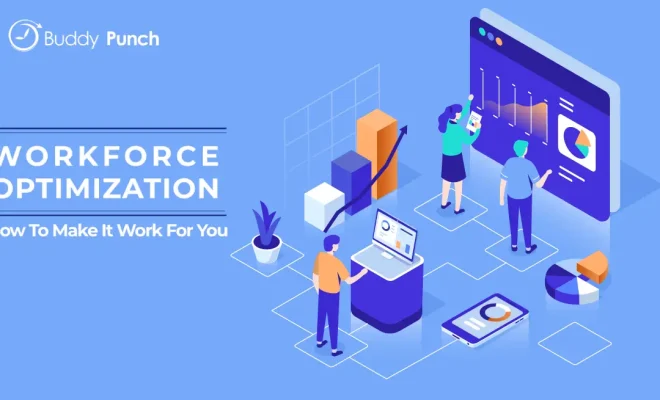
    What is Workforce Optimization (WFO)?

    May 15, 2023
    By Matthew Lynch
  • Artificial IntelligenceProfessional DevelopmentTax Return

    Taxes 2024 Cheat Sheet: Your Guide to Filing Your Tax Return

    February 1, 2024
    By Matthew Lynch
  • Professional Development

    Giving Instructions 101: For Managers And Trainers

    March 23, 2023
    By Matthew Lynch

Search

Login & Registration

  • Log in
  • Entries feed
  • Comments feed
  • WordPress.org

Newsletter

Signup for The Tech Edvocate Newsletter and have the latest in EdTech news and opinion delivered to your email address!

About Us

Since technology is not going anywhere and does more good than harm, adapting is the best course of action. That is where The Tech Edvocate comes in. We plan to cover the PreK-12 and Higher Education EdTech sectors and provide our readers with the latest news and opinion on the subject. From time to time, I will invite other voices to weigh in on important issues in EdTech. We hope to provide a well-rounded, multi-faceted look at the past, present, the future of EdTech in the US and internationally.

We started this journey back in June 2016, and we plan to continue it for many more years to come. I hope that you will join us in this discussion of the past, present and future of EdTech and lend your own insight to the issues that are discussed.

Newsletter

Signup for The Tech Edvocate Newsletter and have the latest in EdTech news and opinion delivered to your email address!

Contact Us

The Tech Edvocate
910 Goddin Street
Richmond, VA 23231
(601) 630-5238
[email protected]

Copyright © 2026 Matthew Lynch. All rights reserved.