20 Years of iPSCs: Revolutionizing Regenerative Medicine
As the field of regenerative medicine celebrates a significant milestone, April 2026 marks the 20-year anniversary of induced pluripotent stem cells (iPSCs). This groundbreaking research has transformed the landscape of developmental biology and regenerative medicine, enabling scientists to reprogram somatic cells into pluripotent stem cells. This pivotal discovery, credited to Nobel laureate Shinya Yamanaka, has not only advanced our understanding of human development but also provided an ethical alternative to using embryos in research.
Reflecting on the Discovery of Yamanaka Factors
In a recent reflection on this milestone, Yamanaka highlighted the significance of what are known as the Yamanaka factors: Oct4, Sox2, Klf4, and c-Myc. These four transcription factors are essential in reprogramming adult somatic cells back into a pluripotent state, where they have the potential to differentiate into any cell type in the human body. This remarkable advancement has opened up new avenues for research in disease modeling, drug discovery, and potential therapies for various conditions.
Yamanaka’s work has sparked a wave of innovation across multiple fields, including regenerative medicine, cancer research, and personalized medicine. With iPSCs, researchers can now create patient-specific cell lines that are invaluable for studying diseases at a cellular level, ultimately paving the way for tailored treatments. The ethical implications of this technology are profound, as it alleviates the moral concerns associated with embryo use in scientific research.
New Directions in Science and Technology Policy
In a parallel development in the realm of science and technology policy, former President Donald Trump recently announced the formation of a new science and technology advisory council. This council consists of members with a combined net worth exceeding $900 billion, indicating a shift in focus toward artificial intelligence (AI) and quantum science.
Among the notable members of this council is John Martinis, a 2025 Nobel Prize-winning physicist from the University of California, Santa Barbara. Unlike previous advisory boards that featured a more balanced mix of academics and industry leaders, this council appears to be heavily weighted toward individuals with substantial financial resources and industry ties. Critics have raised concerns that such a composition may skew the priorities of scientific research and technology development, potentially sidelining academic perspectives.
The Impact of AI and Quantum Science
The renewed emphasis on AI and quantum science reflects broader trends in the technology sector, where these fields are increasingly seen as vital to future economic growth and innovation. AI, in particular, has made headlines with its rapid advancements and applications in various industries, from healthcare to finance. Quantum science, while still in its infancy, holds the promise of revolutionizing computing and information processing.
While the focus on these cutting-edge areas is exciting, it raises questions about the future of interdisciplinary research and the role of academic institutions. As funding and attention are diverted toward lucrative technology sectors, the balance between basic research and applied science may be at risk.
Legal Accountability in the Tech Industry
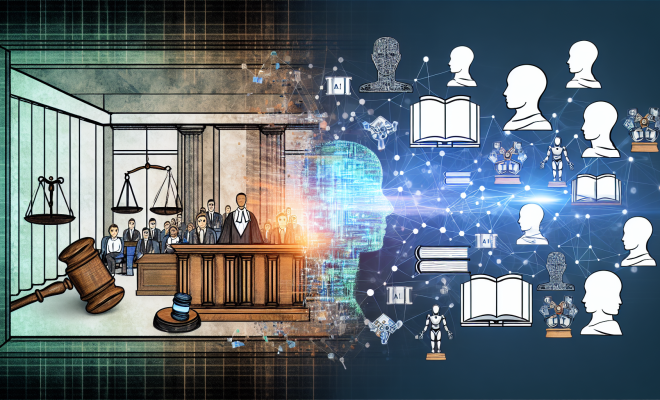
As the tech industry continues to evolve, legal accountability is becoming a central concern. Recently, a jury in Los Angeles awarded $6 million to a woman who sued Meta and YouTube for their addictive features that target children, such as the infinite scroll feature. This case is part of a growing trend of lawsuits against tech companies, particularly regarding their responsibility in contributing to mental health issues among young users.
This ruling follows a significant $375 million verdict in New Mexico against Meta, emphasizing the increasing scrutiny these companies face regarding their practices. Advocates argue that tech companies should be held accountable for their design choices, especially when they disproportionately affect vulnerable populations like children.
The Future of Tech Regulation
- As more lawsuits emerge, the question of whether tech companies should implement stricter design guidelines is becoming more pressing.
- Regulatory bodies may need to reassess their frameworks to ensure that technology serves the public good while protecting consumers.
- Moreover, ongoing discussions about ethical AI and responsible technology use are essential in shaping the future of the tech landscape.
The convergence of scientific breakthroughs, technological innovation, and legal accountability highlights a crucial moment in our societal evolution. As we move forward, it is imperative to maintain a balanced approach that embraces advancements while ensuring ethical considerations and accountability remain at the forefront.