California’s Plastic Packaging Regulations Face Legal Challenge in 2026
“`html
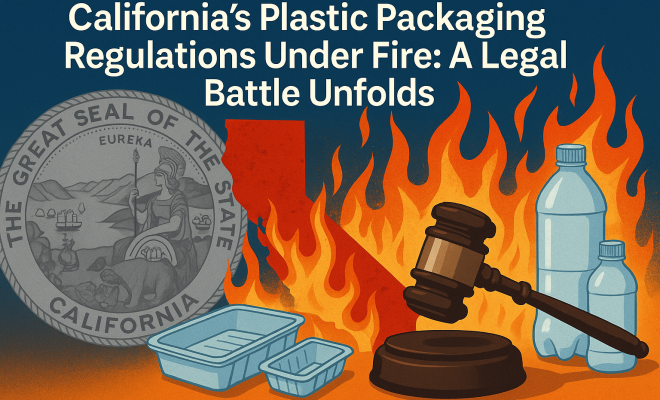
In a significant move that has reverberated across the nation, environmental groups have initiated a legal challenge against California’s ambitious efforts to regulate plastic packaging. On June 2, 2026, a petition and complaint were filed in the San Francisco Superior Court, targeting the final regulations tied to the recently enacted Plastic Pollution Prevention and Packaging Producer Responsibility Act (SB 54). This groundbreaking legislation aims to tackle the pervasive issue of plastic waste, a problem that continues to plague the environment and public health. But as California steps into the spotlight with its bold legislative measures, the question looms: will these regulations withstand the scrutiny of the courts?
The Genesis of SB 54
California’s SB 54 was born out of a growing recognition of the detrimental impacts of plastic pollution. With over 600 million tons of plastic generated globally each year, the state sought to take a proactive stance in reducing plastic waste. The act mandates that producers of plastic packaging take responsibility for their products throughout their lifecycle.
This approach is not just about reducing the amount of plastic produced, but also about shifting the burden of waste management from consumers to manufacturers. Under the regulations, companies must meet specific targets for reducing single-use plastic and increase their use of recyclable or compostable materials. The law also aims to ensure that all plastic packaging is recyclable or compostable by 2032.
The Core of the Legal Challenge
The recent lawsuit filed by environmental organizations highlights a fundamental dispute over the implementation of SB 54. Critics argue that the state’s final regulations do not go far enough in holding corporations accountable for their plastic waste. They contend that the compliance measures are too lenient and do not adequately incentivize manufacturers to adopt sustainable practices.
In essence, the environmental groups are demanding stricter enforcement of the regulations. They believe that only by imposing more stringent requirements can California hope to make a meaningful dent in its plastic waste problem. The heart of their challenge is the assertion that the current regulations allow too much leeway for companies, potentially undermining the original intent of SB 54.
Public Sentiment and Plastic Waste
The legal proceedings come at a time when public frustration with plastic pollution is palpable. Images of marine life entangled in plastic waste and studies revealing the toxic effects of microplastics on human health have galvanized consumers and advocacy groups alike. Many people are eager for solutions, and legislative efforts like SB 54 have provided a glimmer of hope.
California has long been a leader in environmental policy, setting benchmarks that other states and countries often follow. The potential fallout from this legal battle could reverberate beyond California’s borders, influencing how other jurisdictions approach plastic regulations. If the environmental groups succeed, it could signal to other states and regions the importance of robust regulatory frameworks.
Corporate Pushback and Compliance Costs
As the lawsuit unfolds, businesses are closely monitoring the situation. Many companies have already invested heavily in adjusting their packaging strategies to comply with SB 54. However, the prospect of more stringent regulations raises concerns about compliance costs and the implications for product prices.
The business community’s apprehensions are not unfounded. A significant shift in packaging regulations may mean that companies need to explore new materials, invest in sustainable technologies, or redesign entire product lines. These changes often come with steep financial implications that could ultimately be passed on to consumers.
Despite these challenges, some businesses have embraced the changes, recognizing the growing consumer demand for sustainable practices. Industry leaders argue that compliance with California plastic packaging regulations can serve as a competitive advantage, positioning companies as environmentally responsible and socially aware.
Implications for the National Landscape
The outcome of this legal battle has implications that extend far beyond California’s borders. As the state’s regulations set a precedent, other states may look to California as a model for their own plastic packaging legislation. This could lead to a patchwork of regulations across the country, complicating compliance for companies that operate in multiple states.
Should the environmental groups prevail, it might encourage similar lawsuits in other states, prompting a nationwide reevaluation of plastic packaging practices. Additionally, federal legislators may feel the pressure to act, especially if constituents demand more rigorous environmental protections. (See: Plastic pollution fact sheet.)
The Broader Context of Environmental Advocacy
This legal challenge is a part of a larger movement advocating for environmental stewardship and sustainability. Advocacy groups have been increasingly vocal about the need for systemic change to combat climate change and pollution. They argue that legislation like SB 54 is crucial for creating a sustainable future, but it must be enforced with vigor.
Moreover, the challenge reflects a growing frustration with the perceived inadequacy of corporate responsibility in addressing environmental issues. Advocates assert that without rigorous accountability measures, corporations will continue to prioritize profits over the planet.
What Happens Next?
As the legal proceedings commence, all eyes will be on the San Francisco Superior Court. The timeline for a resolution remains uncertain, but the stakes could not be higher. The court’s decision could either validate California’s regulatory framework or pave the way for a more stringent approach to plastic waste management.
During this time, public discourse around plastic pollution will likely intensify. Advocacy groups will continue to mobilize support, urging consumers to hold corporations accountable and demand sustainable practices. With growing awareness and activism, the dynamics surrounding plastic packaging regulations may shift significantly.
What You Can Do
As a consumer, your role in this battle is crucial. Here are a few steps you can take to contribute to the fight against plastic pollution:
- **Support companies** that prioritize sustainable packaging practices. Research brands that are transparent about their environmental initiatives.
- **Reduce your own plastic use.** Consider alternatives to single-use plastics, such as reusable bags, containers, and water bottles.
- **Educate others** about the importance of reducing plastic waste and advocate for stronger environmental policies.
- **Stay informed** about legal challenges and regulatory developments in your state and beyond, and participate in public comment periods when opportunities arise.
The Road Ahead
The legal challenge against California’s plastic packaging regulations is emblematic of a larger struggle between environmental advocates and corporate interests. As the state grapples with the implications of SB 54, the outcome of this lawsuit will be a defining moment for environmental policy in the United States.
In this pivotal moment, California continues to lead the charge in addressing plastic waste, but the battle for responsible corporate practices and effective regulations is far from over. As this legal saga unfolds, it serves as a reminder that the fight against plastic pollution is not just a local issue, but a global imperative.
Understanding California Plastic Packaging Regulations
California’s approach to plastic packaging regulations is unique in its comprehensive nature. The legislation not only targets the reduction of single-use plastics but also emphasizes the importance of developing a circular economy. This concept means that products are designed to be reused, repaired, or recycled, ultimately reducing waste.
One of the standout features of SB 54 is its emphasis on transparency. Companies must report their plastic usage and recycling rates to the state, creating a system of accountability. This data will be critical in assessing the effectiveness of the regulations and ensuring compliance. As businesses adapt to these requirements, consumers will have more information about the environmental impact of the products they buy.
Statistics on Plastic Waste in California
To fully grasp the importance of SB 54, consider these eye-opening statistics:
- California generates over 3.5 million tons of plastic waste annually, much of which ends up in landfills or the ocean.
- Less than 15% of plastic packaging is currently recycled in California, indicating a significant gap in the state’s recycling capabilities.
- Approximately 1 million seabirds and 100,000 marine mammals die each year due to plastic pollution in the world’s oceans.
These figures underscore the urgency behind implementing effective plastic regulations and the potential impact of legislation like SB 54.
Comparative Analysis: Other States’ Plastic Regulations
While California is at the forefront of plastic packaging regulations, other states are beginning to follow suit. For example, New York has enacted laws to phase out single-use plastic bags, and Maine has introduced legislation to require manufacturers to take responsibility for their products at the end of their life cycle.
Comparing these efforts highlights varying strategies across states. California’s SB 54 is notably more comprehensive, focusing not only on bans but also on creating systems for recycling and accountability. In contrast, other states might prioritize specific bans on single-use items without establishing a broader framework for corporate responsibility.
This patchwork of regulations could lead to confusion among consumers and businesses alike. Companies operating in multiple states may struggle to navigate differing laws, which could inadvertently hinder their ability to implement sustainable practices. (See: Lead in plastics information.)
Expert Perspectives on SB 54
Experts in environmental policy have weighed in on the implications of SB 54. Dr. Jane Goodwin, an environmental scientist, emphasizes that “the responsibility for plastic waste must shift from consumers to producers if we want lasting change.” She argues that regulations like SB 54 are essential for driving innovation within the packaging industry.
On the corporate side, many industry leaders acknowledge the necessity of the regulations. Mark Thompson, CEO of a sustainable packaging company, stated, “California is setting the standard for what responsible business looks like. We need regulations that challenge us to do better, and SB 54 is a step in that direction.”
FAQs about California Plastic Packaging Regulations
What specific changes does SB 54 mandate for businesses?
SB 54 requires businesses to reduce single-use plastic packaging and implement recycling or composting methods. By 2025, companies must meet specific reduction targets and ensure that all plastic packaging is recyclable or compostable by 2032.
How will compliance be measured?
Companies will be required to submit annual reports detailing their plastic usage, recycling rates, and progress towards established targets. The California Department of Resources Recycling and Recovery (CalRecycle) will oversee enforcement and compliance.
What penalties do companies face for non-compliance?
Companies that fail to comply with SB 54 may face fines, legal action, or restrictions on their ability to market their products in California. The specific penalties will depend on the nature and severity of the violation.
Can consumers influence the outcome of these regulations?
Yes, consumer activism plays a crucial role in shaping environmental legislation. By supporting sustainable brands and advocating for stronger regulations, consumers can pressure corporations to adopt more environmentally friendly practices.
Are there any exemptions to the regulations?
While SB 54 applies broadly to most plastic packaging, there may be exemptions for certain types of packaging or small businesses. However, the specifics will be determined by the California legislature and regulatory bodies as the law unfolds.
Emerging Trends in Plastic Packaging Alternatives
As businesses gear up to comply with California’s regulations, many are exploring innovative alternatives to traditional plastic packaging. These alternatives range from biodegradable materials to advanced reusable systems. For instance, plant-based plastics made from corn starch are gaining popularity as a more eco-friendly option, reducing reliance on fossil fuels.
Additionally, companies like Loop and TerraCycle are pioneering circular economy models, offering consumers reusable packaging that can be returned and refilled. This approach not only minimizes waste but also shifts the focus away from single-use products altogether. The growth of these initiatives signals a shift in consumer expectations, as more people seek products that align with their environmental values.
International Perspectives on Plastic Packaging Regulations
While California’s SB 54 is groundbreaking, it’s important to look at how other countries are tackling plastic waste. The European Union, for example, has implemented strict regulations aimed at reducing single-use plastics, including bans on items like plastic straws and stirrers. These regulations are complemented by initiatives to improve recycling rates and promote the use of alternative materials.
Countries like Canada and New Zealand are also following suit, with comprehensive strategies to phase out single-use plastics entirely. These international efforts showcase a global recognition of the need for cohesive action against plastic pollution. As California’s regulations unfold, they may serve as a blueprint for other regions looking to create impactful environmental legislation. (See: New regulations on plastic waste.)
The Role of Technology in Plastic Waste Management
Technology is rapidly changing the landscape of plastic waste management. Innovations in waste sorting, recycling processes, and biodegradable materials are all contributing to more efficient management systems. For instance, advanced AI technology is being used to improve sorting facilities, ensuring that more plastics are accurately processed for recycling.
Moreover, research into chemical recycling methods is gaining traction. Unlike traditional recycling, which often downgrades the quality of plastic, chemical recycling can break plastics back down into their original monomers, allowing for the creation of virgin-quality materials. This technology could revolutionize the recycling industry and significantly reduce the reliance on new plastic production.
Consumer Education and Awareness Initiatives
As California implements SB 54, educational initiatives are crucial in helping consumers understand the implications of the regulations. Programs aimed at promoting awareness about the importance of recycling, composting, and reducing plastic use can empower individuals to make informed choices. Local governments and advocacy groups are stepping up their efforts to provide resources and workshops to educate the public on effective waste management practices.
Furthermore, digital campaigns and social media outreach have become vital tools in spreading awareness. Engaging content that highlights the impact of plastic pollution and showcases sustainable alternatives can resonate with consumers, encouraging them to adopt more responsible behaviors.
The Economic Impact of SB 54
As California navigates the implementation of SB 54, it’s essential to consider the economic implications of these regulations. While some businesses may face increased costs associated with compliance, others could experience growth opportunities in emerging markets for sustainable packaging solutions.
According to a report by the Sustainable Packaging Coalition, the market for sustainable packaging is expected to grow significantly in the coming years, potentially reaching $500 billion globally by 2027. This growth presents a chance for California-based companies to lead the way in developing innovative solutions that meet consumer demand for sustainability.
Additionally, investing in green technologies and sustainable practices can create jobs and stimulate local economies. The transition to a circular economy could pave the way for new business models that prioritize environmental responsibility while supporting economic growth.
Conclusion: The Future of Plastic Packaging in California
The legal proceedings surrounding California’s plastic packaging regulations highlight a critical moment in the fight against plastic pollution. As stakeholders navigate their roles—from advocacy groups pressing for accountability to businesses adapting to new standards—the outcome will shape not just California’s environmental landscape, but potentially set a national precedent.
Engaging in this discourse is essential for anyone invested in promoting sustainable practices. Whether through supporting legislation, reducing personal plastic consumption, or advocating for corporate responsibility, every action contributes to a more sustainable future. The road ahead may be challenging, but with concerted efforts and ongoing dialogue, a positive shift toward responsible plastic use is possible.
“`
Trending Now
Frequently Asked Questions
What is California's Plastic Pollution Prevention and Packaging Producer Responsibility Act?
California's Plastic Pollution Prevention and Packaging Producer Responsibility Act, also known as SB 54, mandates that producers of plastic packaging take responsibility for their products throughout their lifecycle. It aims to reduce plastic waste by making companies accountable for the recyclability and compostability of their packaging by 2032.
Why are environmental groups challenging California's plastic packaging regulations?
Environmental groups have initiated a legal challenge against California's plastic packaging regulations due to concerns that the final rules do not hold corporations accountable enough for their plastic waste. Critics argue that the compliance measures are too lenient and fail to incentivize manufacturers to adopt more sustainable practices.
What are the goals of California's SB 54 legislation?
The goals of California's SB 54 legislation include reducing the amount of plastic produced, shifting waste management responsibilities from consumers to manufacturers, and ensuring that all plastic packaging is recyclable or compostable by 2032. It also seeks to limit single-use plastics and promote sustainable practices among producers.
How does SB 54 affect plastic packaging producers in California?
SB 54 affects plastic packaging producers in California by requiring them to meet specific targets for reducing single-use plastic and increasing the use of recyclable or compostable materials. Producers must take responsibility for their packaging throughout its lifecycle, promoting a shift towards more sustainable practices.
What is the significance of the legal battle over California's plastic regulations?
The legal battle over California's plastic regulations is significant because it represents a critical examination of the state's ambitious efforts to combat plastic pollution. The outcome could set important precedents for environmental legislation and corporate accountability in managing plastic waste, impacting similar initiatives nationwide.
Agree or disagree? Drop a comment and tell us what you think.