BSE Sensex Plummets 1,100 Points Amid US-Iran War & Soaring Oil Prices (2026)
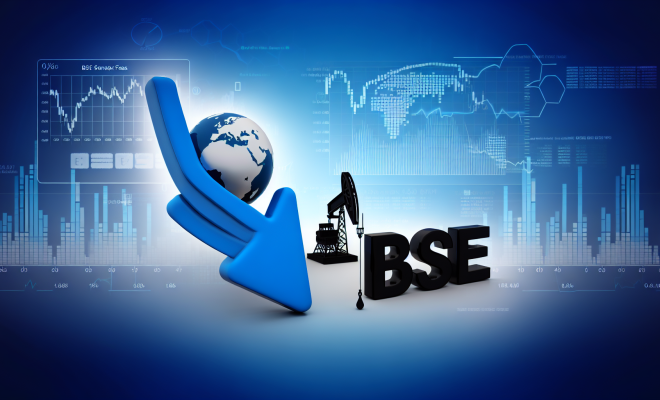
On March 30, 2026, India’s stock market experienced a significant downturn, with the BSE Sensex plummeting over 1,100 points. This sharp decline was largely influenced by surging oil prices and escalating geopolitical tensions stemming from the ongoing US-Iran war. The Nifty50 index also felt the impact, opening below the crucial 22,500 mark, highlighting a broader market sell-off.
Factors Driving the Market Decline
The recent market crash can be attributed to a combination of rising oil prices and the intensifying conflict between the US and Iran, which has been compounded by the Israel-Iran conflict. These geopolitical risks have created a ripple effect across global markets, causing uncertainty and volatility that have significantly impacted investor sentiment in India.
Geopolitical Risks and Their Economic Impact
As tensions rise between the US and Iran, concerns about regional stability have grown. The conflict has not only affected oil prices but also raised fears about potential disruptions to global supply chains. India, as a major importer of crude oil, is particularly vulnerable to price fluctuations. Rising oil prices can lead to increased inflation, which may prompt the Reserve Bank of India to reconsider its current monetary policy stance.
- Oil Price Surge: The price of crude oil has seen a steady increase, contributing to inflationary pressures in the Indian economy.
- Inflation Concerns: Rising oil prices can lead to higher transportation and production costs, which could ultimately be passed on to consumers.
- Monetary Policy Implications: The Reserve Bank of India may have to adjust interest rates in response to rising inflation, affecting borrowing costs for businesses and consumers alike.
Market Reactions and Investor Sentiment
The immediate reaction of investors to the market plunge was one of panic, leading to widespread selling across various sectors. The financial services and energy sectors faced the brunt of the selling, as investors sought to minimize losses amidst uncertainty. Dalal Street, a term often used to refer to the Bombay Stock Exchange, has been characterized by its volatility in recent months, reflecting the broader global economic landscape.
Analysts suggest that the current situation requires a cautious approach from investors. With geopolitical tensions showing no signs of abating, many are advising a focus on defensive stocks that tend to perform better during periods of uncertainty. “In times of geopolitical unrest, it’s crucial for investors to reassess their portfolios and consider reallocating assets to minimize risk,” said a leading market analyst.
Global Market Volatility
The Indian market’s turmoil is not isolated. Global markets have also been reacting to the same set of circumstances, leading to a chain reaction of sell-offs across continents. Stock exchanges in Europe and Asia have reported declines, reflecting a loss of confidence among investors.
In the United States, the stock market has faced similar pressures, with major indices experiencing fluctuations as traders react to news from the Middle East. The interconnectivity of global markets means that developments in one region can have immediate repercussions elsewhere, and the current situation is a prime example of this phenomenon.
Looking Ahead
The outlook for the Indian economy remains uncertain, with many experts calling for vigilance in the face of rising oil prices and ongoing geopolitical tensions. Policymakers and economists are closely monitoring the situation, as the implications of sustained high oil prices could resonate throughout the economy.
- Short-Term Strategies: Investors are encouraged to adopt a defensive investment strategy, focusing on sectors less sensitive to oil price fluctuations.
- Long-Term Outlook: While current conditions are challenging, some analysts believe that the market may stabilize over time, provided that geopolitical tensions ease and oil prices stabilize.
In conclusion, the BSE Sensex’s recent plunge is a stark reminder of how interconnected global markets are and how quickly geopolitical events can influence economic stability. As India navigates this turbulent period, both investors and policymakers will need to remain agile, adapting to the evolving landscape to mitigate risks and seize potential opportunities.