Best Supplies for Homeschool Students
“`html
As more families embrace homeschooling, the demand for effective homeschool supplies continues to rise. Whether you’re a seasoned homeschooling veteran or just starting your journey, the right supplies can make all the difference in creating a productive and engaging learning environment. This guide will cover the best supplies for homeschool students, providing insights and recommendations to help you optimize your educational experience.
1. Basic Stationery: The Foundation of Learning
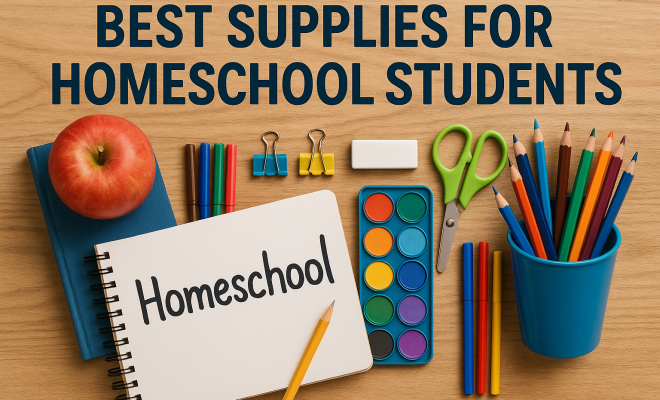
No home classroom is complete without basic stationery. Think about the essentials: notebooks, pens, pencils, and highlighters. These items are crucial for taking notes, completing assignments, and organizing thoughts. When selecting homeschool supplies, consider investing in high-quality products that can withstand daily use.
For example, a sturdy three-ring binder can help students keep their assignments organized, while color-coded tabs can make it easier to navigate different subjects. Additionally, consider using erasable pens and mechanical pencils, which can reduce waste and provide students with the flexibility to revise their work without cluttering their pages.
2. Technology: Digital Tools for Modern Learning
In today’s digital age, technology plays a significant role in education. Online resources, educational apps, and e-books can enhance the homeschooling experience. A reliable computer or tablet is essential for accessing online materials, participating in virtual classes, and conducting research.
Additionally, consider investing in software that promotes learning. Programs like Microsoft Office or Google Workspace can assist students in creating documents, presentations, and spreadsheets. Furthermore, educational platforms such as Khan Academy and Duolingo provide interactive learning experiences that cater to different subjects and age groups. There’s a fuller look at curriculum activities guide.
It’s also worth noting that online learning can be complemented by video conferencing tools like Zoom or Skype, enabling real-time discussions with peers or virtual study groups. This can be particularly beneficial for older students who are preparing for college, as they get a taste of online learning dynamics.
3. Books and Curriculum Materials
Choosing the right curriculum is a pivotal part of homeschooling. Families can explore various resources, from traditional textbooks to online courses. When selecting books, consider the interests and learning styles of your children. Some may thrive on structured lessons, while others prefer a more hands-on approach.
Don’t overlook the value of a library card! Local libraries often have extensive collections of educational materials, including books, audiobooks, and even access to online databases and learning programs. Combining library resources with purchased materials can create a well-rounded curriculum that keeps students engaged.
Beyond the local library, online resources like Project Gutenberg and Open Library provide free access to thousands of classic books, which can be particularly useful for literature studies. These platforms allow students to explore a wide range of genres and historical texts that might not be easily accessible elsewhere.
4. Arts and Crafts Supplies: Fostering Creativity
Incorporating arts and crafts into your homeschool routine can enhance creative thinking and problem-solving skills. Supplies like colored paper, markers, glue, and scissors promote hands-on learning and allow students to express themselves artistically.
Consider setting aside a dedicated space for art projects to encourage creativity. This area can be stocked with various materials, such as paint, clay, and collage supplies. Incorporating art into subjects like history or science can also help students retain information while making learning more enjoyable.
Additionally, you might want to explore local art classes or workshops. These can provide valuable instruction and introduce students to new techniques and mediums, broadening their creative horizons. Plus, sharing a space with other young artists can lead to inspiration and collaboration. (See: U.S. Department of Education resources.)
5. Learning Games and Tools: Making Education Fun
Games and educational tools can transform mundane subjects into engaging experiences. Board games, flashcards, and puzzles can reinforce learning concepts while providing an interactive element that keeps students invested. For example, games like Scrabble promote vocabulary skills, while math-focused board games can make tricky concepts more relatable.
Moreover, online and mobile learning games can be incredibly effective. Many educational apps use gamification to teach subjects while keeping students entertained. This approach not only makes learning enjoyable but also helps build critical thinking and decision-making skills.
Another fun option is to create your own games tailored to the curriculum. This can involve anything from trivia contests to scavenger hunts that incorporate educational elements. Not only does this enhance learning, but it also fosters creativity and teamwork among siblings or peers.
6. Organizational Tools: Keeping Everything in Order
Staying organized is vital in a homeschooling environment. Organizational tools, such as planners, calendars, and filing systems, can help students manage their time and responsibilities effectively. A planner can assist in scheduling lessons and tracking assignments, fostering a sense of accountability in students.
Consider using digital organizational tools like Trello or Google Calendar, which allow for easy collaboration between students and parents. These tools enable families to customize their schedules and set reminders for upcoming tasks, ensuring that no important dates are overlooked.
In addition, a dedicated folder for each subject can help students keep track of their progress and any completed or pending assignments. This physical representation of their work can be motivating and provide a sense of accomplishment as they see how much they’ve achieved over time.
7. Hands-On Learning Supplies: Engaging Different Learning Styles
Many students benefit from hands-on learning experiences. Supplies that facilitate this type of learning can enhance understanding and retention. For instance, science kits that include experiments allow students to apply theoretical knowledge practically.
Incorporate resources like building blocks or coding kits to engage kinesthetic learners who thrive on physical activity. Such materials help students grasp complex concepts by allowing them to experience the learning process directly, making it more memorable.
For families interested in STEM education, consider investing in robotics kits or programmable devices. These kits can introduce students to coding and engineering principles in an engaging way, preparing them for future careers in technology and design.
8. Outdoor Supplies: Learning Beyond the Classroom
Education doesn’t have to be confined to four walls. Outdoor supplies can enable experiential learning and encourage exploration. Binoculars for nature observation, gardening tools for hands-on biology lessons, or outdoor games can all enhance a student’s educational experience.
Planning field trips or outdoor lessons can also provide context to what’s being taught at home. Nature walks can be opportunities to discuss ecosystems, while community gardens can illustrate concepts in sustainability and nutrition. Embracing the outdoors fosters a love for learning and instills a sense of curiosity in students.
To expand on outdoor learning, consider integrating nature journaling. Students can document their observations, sketch plants or animals, and write reflections about their experiences. This not only enhances their artistic skills but also encourages critical thinking and scientific inquiry.
9. Socialization Opportunities: Building a Community
While supplies are fundamental, socialization is a crucial aspect of homeschooling that shouldn’t be overlooked. Joining local homeschooling groups can provide students with opportunities to interact with peers, participate in cooperative learning, and take part in extracurricular activities.
Consider enrolling your child in classes, sports, or clubs that align with their interests. These experiences not only foster friendships but also expose students to diverse perspectives and learning styles. Building a community around homeschooling can be immensely beneficial for both students and parents. (See: CDC resources on education and health.)
Additionally, virtual meetups and online courses can provide expanded socialization opportunities beyond your immediate area. This can be particularly useful for specialized subjects or interests, such as coding, art, or music, where students can connect with others who share similar passions.
10. Budgeting for Homeschool Supplies: Smart Spending
Finally, budgeting is a critical aspect of acquiring homeschool supplies. It’s essential to assess your family’s educational needs and set a realistic budget. Look for sales, discounts, and bulk purchasing options to maximize your spending.
Consider using second-hand resources or swapping supplies with local homeschoolers to save money. Many families find success in creating a collaborative environment where sharing resources becomes the norm, leading to a more efficient and cost-effective homeschooling experience.
Additionally, remember to keep track of your expenses and evaluate what works best for your curriculum. Some families find that investing in a few high-quality resources yields better results than purchasing numerous lower-quality items. Prioritizing resources that engage your child can lead to a better educational experience overall.
11. Frequently Asked Questions about Homeschool Supplies
What are the essential homeschool supplies for beginners?
For those just starting, focus on basic stationery, books, and a reliable computer or tablet. A good planner and organizational tools are also helpful in managing your schedule and assignments effectively.
How can I save money on homeschool supplies?
Look for sales, use coupons, and consider buying used items. Online marketplaces often have affordable options, and many homeschooling families are willing to swap or sell their unused supplies.
Are there specific supplies for different grade levels?
Yes, younger children might need more hands-on materials like manipulatives and art supplies, while older students may require more specialized items such as calculators, specific textbooks, or advanced technology for research.
How do I choose a curriculum that suits my child?
It’s essential to consider your child’s learning style and interests. Some may prefer structured curriculums while others thrive with more flexibility. Research various options, read reviews, and consider trial periods if available.
Can we homeschool without a lot of supplies?
Absolutely! Education can be achieved with minimal supplies. Many effective learning experiences can occur through conversations, nature exploration, and using free online resources.
What role do hands-on activities play in homeschooling?
Hands-on activities can significantly enhance learning by making concepts more tangible. They cater to different learning styles and help students engage with the material in a memorable way.
12. Additional Homeschool Supply Essentials: Going Beyond the Basics
While we’ve covered a wealth of supplies, some essential items might be overlooked. For instance, incorporating sensory materials like tactile learning tools can be beneficial for younger students or those with special learning needs. Items like playdough, sensory bins filled with rice or beans, and textured tiles can create multi-sensory experiences that enhance engagement and retention.
Another useful category is reference materials. These can be dictionaries, thesauruses, or even atlases that provide quick access to information. Having these on hand can reduce the time wasted on searching online and can encourage students to learn how to find information independently.
Additionally, consider investing in educational subscriptions that provide ongoing resources. Platforms like Mystery Science, which offers inquiry-based science lessons, or IXL, which tailors practice problems to individual students, can be more beneficial than sporadic textbook purchases.
13. Expert Perspectives on Homeschool Supplies
Experts in education emphasize the importance of adaptability in choosing homeschool supplies. Dr. Sarah Johnson, a veteran homeschooling parent and education consultant, states, “It’s important to remember that every child is unique. The supplies you choose should reflect their individual learning styles and interests.” Her insights suggest that parents should remain flexible, adjusting their supplies and methods as their children grow and evolve.
Moreover, educational psychologist Dr. Emily Martinez notes that “the right tools can foster independence in students.” She highlights the importance of teaching children how to use their materials effectively, which promotes responsibility and self-directed learning. This means that beyond just having supplies, families should focus on how those supplies are utilized within the learning process.
14. Comparative Analysis of Popular Homeschool Supply Brands
When selecting homeschool supplies, it’s essential to consider the brands available. Let’s take a closer look at a few popular brands and how they stack up against each other:
- Crayola: Known for its art supplies, Crayola offers a wide range of products from crayons to markers that encourage creativity. Parents often praise the quality and vibrancy of the colors, making them a go-to choice for arts and crafts.
- Staples: This office supply store provides an extensive selection of stationery and organizational materials. Their affordability and frequent sales make them a reliable option for basic supplies.
- Scholastic: Scholastic is a trusted name when it comes to educational materials. Their books and learning kits are often aligned with school curricula, making them ideal for parents looking for structured resources.
- Melissa & Doug: This brand focuses on educational toys that promote interactive learning. Their products often target younger learners through play-based learning, which can be particularly valuable in early childhood education.
Each of these brands has its strengths, so it’s worth considering your specific needs and the age of your children when making a decision. See also monitoring homeschooling advice.
15. Innovative Homeschool Supplies for Unique Learning Experiences
Innovation in educational materials is ever-growing, and several new products have caught the attention of homeschooling families. For example, augmented reality (AR) books and apps can provide immersive learning experiences that traditional materials cannot. These tools allow students to engage with subjects in a more dynamic way, such as seeing 3D models of historical artifacts or biological specimens.
Another exciting development is the rise of subscription boxes specifically tailored for educational purposes. Boxes like KiwiCo provide monthly projects that span various subjects, from engineering to art. These curated experiences can keep students engaged and introduce them to new concepts in a fun manner.
16. Final Tips for Selecting Homeschool Supplies
Choosing the right homeschool supplies can be an overwhelming task, but a few strategies can simplify the process:
- Assess Your Needs: Regularly evaluate what supplies are being used and which are not. This can inform future purchases and prevent waste.
- Involve Your Children: Engage your children in the selection process. This can help them feel more invested in their education and encourage them to take responsibility for their supplies.
- Prioritize Quality Over Quantity: Rather than buying numerous cheap items, invest in fewer, high-quality products that will last longer and be more effective.
- Stay Updated with Trends: Follow homeschooling blogs, podcasts, and social media groups to stay informed about the latest products and trends in homeschooling supplies.
17. Conclusion: Tailoring the Homeschool Experience
Choosing the right homeschool supplies is vital for fostering an effective and enjoyable learning environment. By investing in quality materials, embracing technology, and engaging students in creative and hands-on learning, you can ensure a fulfilling educational journey. Remember, the most important aspect is to cater the supplies to your child’s individual needs and learning style, making your homeschooling experience as enriching as possible.
“`
Trending Now
Frequently Asked Questions
What are the essential supplies for homeschooling?
Essential supplies for homeschooling include basic stationery like notebooks, pens, and pencils, as well as technology such as computers or tablets for online learning. High-quality organizational tools like binders and color-coded tabs also help streamline the educational process.
How can technology enhance the homeschooling experience?
Technology enhances homeschooling through access to online resources, educational apps, and e-books. Programs like Google Workspace and platforms such as Khan Academy provide interactive learning opportunities, making education more engaging and accessible.
What stationery items are best for homeschool students?
The best stationery items for homeschool students include durable notebooks, erasable pens, mechanical pencils, and sturdy binders. These items help students take notes, organize assignments, and revise their work efficiently.
Are online learning platforms useful for homeschoolers?
Yes, online learning platforms like Khan Academy and Duolingo are highly beneficial for homeschoolers. They offer interactive lessons and resources tailored to various subjects and age groups, enhancing the overall educational experience.
What should I consider when choosing homeschool supplies?
When choosing homeschool supplies, consider the quality and durability of items, as well as their ability to support organization and learning. Investing in versatile tools like color-coded tabs and reliable technology can significantly improve the homeschooling experience.
Have you experienced this yourself? We'd love to hear your story in the comments.