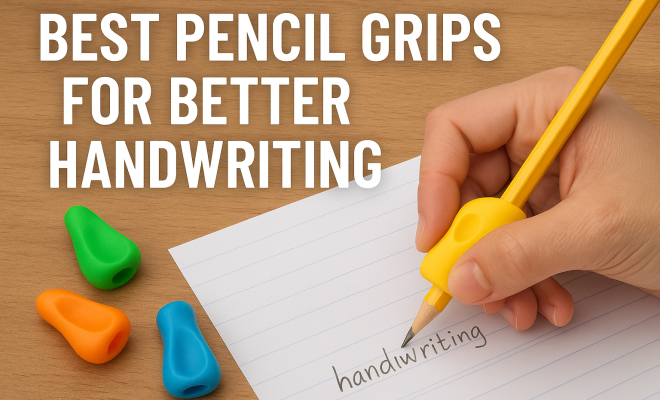
Best Pencil Grips for Better Handwriting
“`html
For anyone who has struggled with handwriting—be it children learning to write or adults trying to improve their penmanship—the right tools can make all the difference. Enter the best pencil grips. These simple yet effective devices can help enhance your writing comfort and technique, leading to clearer, more legible handwriting. In this article, we’ll explore eight of the best pencil grips available, diving into their unique features, benefits, and how they cater to different writing styles and needs.
1. Fat Pencil Grips: A Comfortable Choice for Beginners
Fat pencil grips are designed to provide a larger surface area, making them particularly suitable for children or individuals with limited dexterity. These grips encourage a relaxed hand position, reducing the strain often associated with traditional thin pencils. One of the standout products in this category is the Therapy Putty Fat Pencil Grip.
Made from soft, flexible material, this grip molds to the user’s fingers, offering a custom fit. Additionally, its ergonomic design promotes a proper grip, which can lead to improved control and technique. This is especially beneficial for young learners just starting their writing journey, as it helps them develop muscle memory for the correct finger positioning.
2. Triangle Pencil Grips: Promoting Proper Hand Positioning
Triangle pencil grips are another excellent choice, particularly for children learning to hold a pencil correctly. The unique shape naturally guides fingers into the optimal position, preventing common mistakes like gripping too tightly or using the wrong fingers. The Grotto Grip is a popular option in this category, featuring a three-sided design that promotes a relaxed grip.
Using a triangle grip helps to create a more effective writing posture, which can lead to better handwriting. One of the key advantages of these grips is their ability to reduce fatigue during longer writing sessions, making them ideal for students or professionals who spend extended time writing.
3. Funky Pencil Grips: Making Writing Fun
For some, the appeal of writing can sometimes be dulled by traditional tools. Enter funky pencil grips, which are colorful and designed to make writing more enjoyable. The Cool Grip is an excellent example, offering a variety of colors and designs to suit different personalities.
These grips not only add a whimsical touch to writing but also provide the necessary support for better handwriting. The fun designs can motivate reluctance, especially among younger users, making writing feel like less of a chore and more of a creative activity.
4. Wedge Pencil Grips: Ideal for Extra Support
Wedge grips provide extra support for those who require a firmer feel while writing. The Wedge Pencil Grip is specially molded to fit the natural contours of the hand, allowing for maximum comfort and control. Its design encourages a more natural writing motion, reducing the risk of cramping and fatigue.
This type of grip is particularly beneficial for individuals with medical conditions affecting their grip strength or stability. By improving comfort, users can focus more on their writing rather than the discomfort associated with using traditional pencils.
5. Gel Pencil Grips: Soft and Squishy for Comfort
If a soft feel is what you’re after, gel pencil grips are a great option. The Zebra Grip is a fantastic example, featuring a gel-filled cushion that conforms to your fingers. This grip not only provides comfort but also absorbs shock, making writing smoother and more enjoyable. (See: handwriting and fine motor skills.)
Gel grips are particularly useful for those who write for long periods, as they help alleviate pressure on the fingers. The cushioning effect allows for a lighter grip, which can be beneficial for anyone focusing on handwriting improvement, as it promotes longer writing sessions without discomfort.
6. Weighted Pencil Grips: For Enhanced Control
Weighted grips add an extra dimension to handwriting improvement by providing stability. The Learning Resources Weighted Pencil Grip is designed to help steady the hand, especially for those with fine motor skill difficulties. This grip allows users to maintain better control over their writing instrument.
By adding weight, these grips help prevent the pencil from slipping, which can result in clearer, more consistent handwriting. This is particularly advantageous for children or adults who may struggle with coordination during writing tasks, enabling them to focus on forming letters and words correctly.
7. Customizable Pencil Grips: Tailored to Individual Needs
For those who want the best of both worlds, customizable pencil grips offer the ability to adjust fit and comfort according to personal preference. Products like the Pencil Grip Customizer allow users to modify the grip to suit their unique hand shape and size.
The versatility of customizable grips means that users can experiment to find what feels right, which can be especially helpful when addressing specific writing challenges or preferences. This adaptability makes them suitable for a wide range of users, from young students to professionals.
8. Return to Basics: Classic Pencil Grips
While innovative designs have flooded the market, sometimes the classic pencil grip is all you need. Simple, straightforward grips like the Standard Pencil Grip can still provide an effective solution for improving hand positioning and comfort while writing.
These grips may not have all the bells and whistles of their more modern counterparts, but their tried-and-true design can help users maintain a relaxed grip and control. They are often more affordable and can be found easily in most stationery stores, making them accessible for anyone looking to enhance their writing experience.
Understanding the Importance of Pencil Grips
Pencil grips serve more than just a functional purpose; they play a critical role in the development of fine motor skills. For children, using the right grip can significantly influence their ability to write legibly and with comfort. Research has shown that the early introduction of ergonomic tools during formative years can lead to a more positive attitude toward writing.
For example, a study published in the Journal of Occupational Therapy highlighted that children using ergonomic grips had markedly better handwriting scores than those who used standard grips. This finding underscores the importance of investing in quality grips as an essential tool for educational success.
Factors to Consider When Choosing Pencil Grips
When selecting the best pencil grip for you or your child, consider the following factors:
- Hand Size: Make sure the grip fits well with the width of the fingers. A grip that’s too large or small can lead to discomfort.
- Material: Choose a material that feels comfortable. Some grips are made of rubber, while others may be silicone or gel-filled.
- Design: Ergonomic designs can enhance comfort and writing accuracy. Look for grips that fit the natural contour of your fingers.
- Durability: Especially for children, a durable grip can withstand wear and tear from frequent use. Ensure the grip stays intact and functional over time.
- Fun Factor: For kids, choosing a grip with a fun design or color can make writing more appealing.
Comparative Analysis of Popular Pencil Grips
To help you make an informed decision, let’s break down some of the most popular pencil grips in a comparative format: (See: improving handwriting techniques.)
| Pencil Grip | Material | Target User | Price Range | Key Features |
|---|---|---|---|---|
| Therapy Putty Fat Pencil Grip | Soft Flexible Material | Children & Adults | $5-$10 | Custom fit, ergonomic design |
| Grotto Grip | Rubber | Children | $3-$8 | Three-sided design for proper grip |
| Cool Grip | Silicone | Children | $4-$9 | Colorful designs to engage kids |
| Wedge Pencil Grip | Plastic | Adults & Children | $5-$12 | Firm support, molds to hand shape |
| Zebra Grip | Gel | Adults | $6-$11 | Cushioned support, shock absorbent |
| Learning Resources Weighted Pencil Grip | Plastic | Children with disabilities | $7-$15 | Weighted for stability and control |
| Pencil Grip Customizer | Customizable Material | All ages | $10-$20 | Adjustable fit for hand shape |
| Standard Pencil Grip | Rubber | All ages | $2-$5 | Classic design, affordable |
Expert Perspectives on Handwriting and Pencil Grips
According to Dr. Emily Johnson, an occupational therapist specializing in child development, “The right pencil grip is essential for fostering a child’s confidence in writing. When children struggle with their grip, it can lead to frustration, which may deter them from writing altogether.” She emphasizes the importance of early intervention and the use of ergonomic tools to aid in developing motor skills.
In a similar vein, handwriting specialist Dr. Mark Reynolds notes that “Handwriting is a skill that requires practice and the right tools. Pencil grips can make a significant difference, especially for children who are just beginning to write and develop their fine motor skills.” His research indicates that using ergonomic grips can lead to improved handwriting quality and a more positive writing experience. There’s a fuller look at tools to enhance handwriting.
Frequently Asked Questions About Pencil Grips
1. What are pencil grips made of?
Pencil grips can be made from various materials, including rubber, silicone, gel, and plastic. Each material has its own benefits in terms of comfort, grip, and durability.
2. Can adults use pencil grips?
Absolutely! While many pencil grips are designed for children, adults can also benefit from them, especially if they experience discomfort while writing or have specific ergonomic needs.
3. How do I clean my pencil grips?
Most pencil grips can be easily cleaned with mild soap and water. It’s important to let them air dry completely before using them again to maintain hygiene.
4. How do I know which pencil grip is best for me?
Consider your writing style, hand size, and any specific issues you may have (like discomfort or coordination challenges). Trying a few different types can also help you find the best fit.
5. Are pencil grips really effective?
Yes, numerous studies have shown that using pencil grips can lead to improved handwriting quality and reduced pain during writing. They are particularly helpful for young children learning to write and for individuals with hand coordination challenges.
6. How long can I use a pencil grip before replacing it?
The lifespan of a pencil grip depends on its material and how often it’s used. Regular users should check for wear and tear and replace them once they show signs of damage or loss of grip.
New Section: The Science Behind Pencil Grips and Handwriting
Research in the field of occupational therapy has established a strong connection between the tools we use for writing and the development of fine motor skills. Pencil grips are not just about comfort; they’re designed based on human anatomy and the biomechanics of writing. A study in the Journal of Hand Therapy found that children using ergonomic grips showed a 40% improvement in grip strength and coordination compared to those using standard grips.
This improvement can be attributed to the way ergonomic grips encourage proper finger positioning, reducing the likelihood of fatigue and discomfort. The grips act as extensions of the fingers, allowing for a more natural range of motion, essential for efficient handwriting. The implication here is clear: the right pencil grip can lead to better writing outcomes not just for children, but for anyone who engages in writing or drawing activities regularly.
Comparing Pencil Grips to Other Writing Tools
When it comes to writing, pencil grips aren’t the only tools available to improve comfort and technique. Other options include ergonomic pens and specialized writing instruments like styluses for digital tablets. While these tools can also contribute to better writing experiences, pencil grips offer a unique advantage by being universally adaptable to any pencil or pen.
For instance, ergonomic pens like the Uni-ball Vision Elite provide a built-in structure that encourages proper grip. However, they can be significantly more expensive than a simple pencil grip that can be applied to multiple writing instruments. As a result, for those looking for a cost-effective solution, pencil grips can be a superior choice.
Trends in Pencil Grip Design
The market for pencil grips is evolving, with innovative designs emerging to cater to diverse user needs. One notable trend is the development of pencil grips that incorporate sensory elements, like textured surfaces or built-in fidget features. These designs aim to engage users not only physically but also psychologically, fostering a sense of focus and calm while writing.
Another trend is the move towards eco-friendly materials. As sustainability becomes a key consideration for consumers, manufacturers are responding by creating grips made from biodegradable or recyclable materials. This shift not only meets consumer demand but also contributes to a reduced environmental impact. For example, products like the Eco Pencil Grip are made from plant-based materials, making them a great choice for eco-conscious users.
Conclusion: Choosing the Right Pencil Grip for You
Choosing the right pencil grip is essential for improving handwriting, whether you’re a teacher, a parent, or an adult looking to enhance your skills. With so many options available, consider your specific needs, preferences, and any challenges you or your child may face.
Ultimately, the best pencil grips cater to individual styles, ensuring that the writing experience is not only effective but enjoyable. By investing in the right grip, you’re setting the stage for better handwriting that can benefit academic performance, artistic expression, or even professional communication. So go ahead, explore these options, and find the grip that feels just right for you!
“`
Trending Now
Frequently Asked Questions
What are the benefits of using pencil grips?
Pencil grips provide comfort and support for the fingers, promoting proper hand positioning and reducing strain during writing. They can enhance control and technique, leading to clearer handwriting, especially for children learning to write or individuals with limited dexterity.
Which pencil grip is best for beginners?
Fat pencil grips are an excellent choice for beginners as they offer a larger surface area, encouraging a relaxed hand position. Products like the Therapy Putty Fat Pencil Grip mold to the user's fingers, providing comfort and promoting correct finger positioning for improved writing.
How do triangle pencil grips help with handwriting?
Triangle pencil grips help by guiding fingers into the optimal position for holding a pencil. Their unique shape reduces common gripping mistakes and promotes a relaxed grip, which can enhance writing posture and reduce fatigue during longer writing sessions.
Can pencil grips improve handwriting for adults?
Yes, pencil grips can improve handwriting for adults by providing ergonomic support that enhances comfort and control. They can help individuals develop better writing techniques, reduce strain, and create more legible handwriting, making them beneficial for anyone looking to improve their penmanship.
What features should I look for in a pencil grip?
When selecting a pencil grip, look for features like ergonomic design, material comfort, and shape. Grips that promote proper finger positioning, reduce fatigue, and are suitable for the user's specific needs, such as size and dexterity, will contribute to better handwriting.
What did we miss? Let us know in the comments and join the conversation.