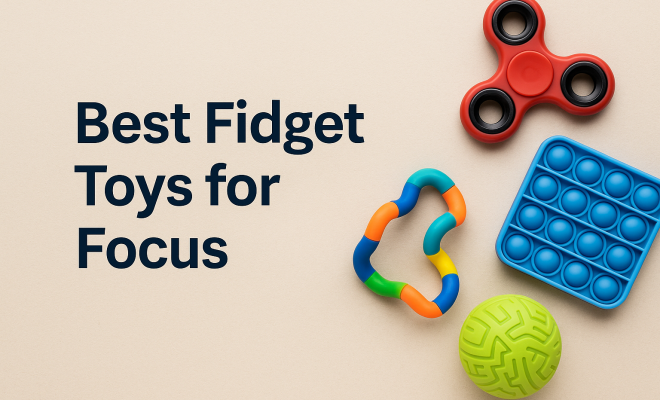
Top 9 Fidget Toys to Boost Focus & Concentration
“`html
For many, maintaining focus in a world full of distractions can feel like an uphill battle. Enter fidget toys, small gadgets that can help channel restless energy and enhance concentration. Whether you’re a student trying to absorb new information, a professional sifting through endless emails, or someone simply looking for a way to manage anxiety, the best fidget toys can serve as your trusty companions. In this article, we’ll explore nine of the best fidget toys that can help improve focus, backed by research and insights from experts in the field.
1. Fidget Spinners: The Classic Choice
Fidget spinners took the world by storm around 2017, becoming the go-to gadget for fidgeting hands. Comprising a central bearing with three or more arms, these toys can be spun between your fingers, providing tactile engagement. Research indicates that simple repetitive motion can occupy one’s mind just enough to allow for improved concentration. For students, using a fidget spinner during study sessions can help reduce anxiety and redirect nervous energy.
Despite some controversy over their effectiveness in educational environments, many users report that fidget spinners help them focus better during long lectures or while completing homework. The rhythmic spinning can serve as a form of meditation, allowing the brain to settle into a more effective state for processing information.
Fidget spinners also come in various designs, from light-up options to unique shapes, allowing users to personalize their experience. This variability not only enhances the fun aspect but can also make the act of fidgeting more engaging, leading to even greater focus.
2. Stress Balls: Squeeze Your Way to Serenity
Stress balls are a timeless tool for relieving tension and enhancing focus. Typically made of rubber or gel, these squeezable spheres allow users to engage their hands while redirecting stress. Research shows that squeezing a stress ball can help lower cortisol levels, the hormone associated with stress, thus enabling clearer thinking and improved focus.
Ideal for both home and work settings, stress balls can be particularly beneficial during conference calls or meetings, as they help channel nervous energy without being distracting. Integrating this simple tool into your daily routine can lead to noticeable improvements in your ability to concentrate and manage stress levels effectively.
Additionally, there are many varieties of stress balls available, from traditional ones to those filled with different textures or scents, which can add an extra sensory layer to the experience. Some even incorporate aromatherapy, enhancing the calming effects while you squeeze away your stress.
3. Fidget Cubes: Multi-Sensory Engagement
Fidget cubes are designed with multiple tactile options that cater to various sensory needs. With switches, buttons, and dials, these small devices offer numerous ways to keep your hands busy. Research suggests that engaging in such activities can free up cognitive resources, thus enhancing focus on tasks at hand.
Students and professionals alike have found fidget cubes to be an effective tool for managing anxiety and maintaining concentration during long periods of inaction, such as during lectures or meetings. Their compact size makes them portable, allowing you to keep one handy for those moments when mental clarity seems out of reach.
Moreover, the variety of actions a fidget cube offers can cater to different preferences. Whether you prefer the tactile click of buttons or the smooth glide of a joystick, there’s a cube that can suit your fidgeting style. This customization can significantly enhance the toy’s effectiveness in aiding concentration.
4. Tangle Toys: Endless Possibilities
Tangle toys, known for their unique shape and flexible design, can be twisted and turned into various configurations. This engaging toy stimulates both the mind and hands, promoting focus while reducing anxiety. The tactile feedback and open-ended play make them suitable for all ages, from children struggling with attention to adults navigating busy work environments.
Research indicates that engaging with a tangle toy can help increase dopamine levels in the brain, fostering a sense of calm and focus. They are particularly beneficial for those diagnosed with ADHD or autism, as they provide a healthy outlet for excess energy while enhancing concentration during activities. (See: study on fidget toys and focus.)
What’s compelling about tangle toys is how they can promote fine motor skills and coordination. Using them not only helps in focusing but also in developing essential skills that can be beneficial in daily tasks. Additionally, their design makes them easy to carry around, making them ideal for use in classrooms, offices, or even while traveling. Edrater's top picks offers useful background here.
5. Magnetic Balls: Creative Focus
Magnetic balls, often made of neodymium, are not only fun to play with but can also act as powerful fidget tools. Users can create countless shapes and structures, engaging their creativity while focusing on the task at hand. Research has shown that engaging in this kind of constructive play can improve cognitive flexibility and overall focus.
These tiny balls are also excellent for stress relief; the act of manipulating them can help reduce anxiety levels. Many users find that playing with magnetic balls leads to improved problem-solving skills, making them a practical choice for both students and working professionals looking to enhance concentration.
What’s more, magnetic balls can serve as a tangible way to break away from digital distractions. In an age where screens dominate our attention, having a physical fidget tool can be a refreshing way to engage your mind and hands away from technology. Plus, creating intricate designs can be quite satisfying and meditative in itself.
6. Infinity Cube: Smooth Motion for Focus
The infinity cube is a compact gadget made of smaller cubes that can be flipped and folded into different positions. This seamless motion allows users to keep their hands engaged while stimulating their minds, which can lead to greater focus on more significant tasks. The fluidity of movement mirrors that of a fidget spinner but offers a more tactile experience.
In a study conducted by the Journal of Attention Disorders, participants reported that fidgeting with an infinity cube significantly improved their focus during boring tasks. It allows users to redirect their restless energy into a manageable activity, letting them concentrate better on their primary objectives.
Additionally, the infinity cube is often praised for its durability. Unlike some fidget toys that may wear out quickly, the infinity cube is built to withstand regular use. This makes it a worthwhile investment for anyone looking to improve their focus without the need for frequent replacements.
7. Putty or Slime: Textured Therapy
Fidget putty or slime offers a different sensory experience compared to traditional fidget toys. Users can stretch, squish, and mold it into various shapes, making it particularly satisfying to handle. Research suggests that the repetitive motion involved in manipulating putty can improve focus by helping to clear the mind of distractions.
This type of fidget toy is particularly beneficial for younger users, as it encourages creativity while also serving as a calming tool. Many teachers have started to incorporate fidget putty into classrooms to aid students in managing their anxiety and enhancing their ability to concentrate during lessons.
Moreover, some putties come with added benefits, like glitter or scents, which can make the experience even more enjoyable. The tactile experience combined with visual and olfactory stimulation can create a uniquely engaging fidgeting experience, helping users to keep their minds centered and focused.
8. Pen or Pencil Fidgets: Subtle Solutions
For those who want to fidget discreetly, pen or pencil fidgets are an excellent option. These small attachments can be added to pens or pencils, allowing users to tap, click, or roll the writing instrument while focusing on tasks. Many people find that these subtle movements help improve their concentration without drawing attention to themselves.
Studies have shown that engaging in small, repetitive actions can help improve focus, particularly during long writing tasks or examinations. Not only do these fidget tools help with anxiety, but they also keep your hands busy while your mind is engaged in more complex tasks, making them a perfect companion for students and professionals alike.
Besides their functional benefits, these attachments often come in fun designs, making the act of writing more enjoyable. They can be personalized to reflect one’s style, adding a layer of satisfaction to the act of fidgeting while working. (See: research on repetitive motion and concentration.)
9. Chewable Fidget Toys: A Taste of Focus
Chewable fidget toys have gained popularity, particularly among children and adults who benefit from sensory input through oral stimulation. These toys come in various shapes and sizes and are often made of silicone, making them safe for chewing. Research suggests that oral stimulation can soothe anxiety and enhance focus by providing a calming effect.
These toys are particularly beneficial for individuals with sensory processing disorders, autism, or ADHD, as they provide a safe outlet for their fidgeting needs. Chewable fidget toys can be used in various settings, from classrooms to offices, allowing users to maintain their focus without causing disruptions. This builds on Dr. Matt Lynch's recommendations.
In addition, chewable fidget toys can be a great alternative to more harmful habits such as nail-biting or chewing on pens. By providing a designated item to chew on, users can fulfill their oral sensory needs without resorting to less advantageous behaviors.
The Science Behind Fidget Toys
Understanding why fidget toys work involves diving into cognitive psychology and neuroscience. Fidgeting is a natural response to boredom and restlessness, and it can actually help improve focus. Studies show that the brain can better concentrate on tasks when there’s a distraction that requires minimal cognitive effort. This is why fidget toys can be effective—they provide just enough engagement to keep your mind from wandering too far.
For instance, research published in the journal “Psychological Science” revealed that students who engaged in light fidgeting during lectures scored higher on retention tests compared to those who remained still. This suggests that fidgeting can create an optimal balance between engagement and distraction, allowing for better learning outcomes.
Choosing the Right Fidget Toy for You
When selecting the best fidget toy for your needs, consider your personal preferences and the environment in which you’ll use it. Some toys are discreet and suitable for meetings or classrooms, while others might be more appropriate for home use. Think about what feels most satisfying to you; whether it’s the tactile sensation of squeezing or the visual stimulation of movement, the right toy can make a difference in your focus and anxiety levels.
In addition, consider the durability of the fidget toy. For instance, if you plan to use it in a high-traffic area or around children, opting for something more robust may save you from frequent replacements. Likewise, look for toys that are easy to clean, especially if you choose items like putty or slime.
Expert Opinions on Fidget Toys
Many psychologists and educators agree on the positive impacts of fidget toys. Dr. Patricia M. Crittenden, a noted developmental psychologist, has stated that fidgeting can significantly enhance cognitive performance. She emphasizes that fidget toys allow individuals to channel their energy in a productive way, making it easier to concentrate on tasks that require deep focus.
Furthermore, educational psychologist Dr. Richard E. Mayer notes that the integration of fidget toys in learning environments can help students manage their anxiety levels effectively. He encourages educators to embrace these tools, especially for children who struggle with traditional sitting methods. According to him, allowing fidgeting can foster a more dynamic and inclusive learning atmosphere.
From a neurophysiological perspective, Dr. Jonathon W. Flanagan, a neuroscientist, explains that fidgeting activates the pathways in the brain associated with attention and memory. By using fidget toys, individuals can stimulate areas of the brain that enhance focus, making it easier to absorb information.
Comparative Analysis of Fidget Toys
When you’re looking for the best fidget toys, it can be helpful to compare the options. Here’s a quick overview of how some popular fidget toys stack up against each other:
| Fidget Toy | Tactile Feedback | Portability | Discreetness | Age Suitability |
|---|---|---|---|---|
| Fidget Spinner | Moderate | High | Moderate | All Ages |
| Stress Ball | High | High | High | All Ages |
| Fidget Cube | High | High | High | All Ages |
| Tangle Toy | High | High | Moderate | All Ages |
| Magnetic Balls | High | Moderate | Low | Older Children & Adults |
| Infinity Cube | Moderate | High | High | All Ages |
FAQs About Fidget Toys
1. Are fidget toys suitable for everyone?
Yes, fidget toys can benefit a wide range of individuals, from students and professionals to those with sensory processing disorders or ADHD. However, it’s essential to find a toy that aligns with personal preferences and needs.
2. Can fidget toys replace traditional coping mechanisms for anxiety?
While fidget toys can be a helpful tool for managing anxiety, they should not necessarily replace other coping mechanisms. It’s always best to consult with a mental health professional for comprehensive anxiety management.
3. How do I know if a fidget toy will help me focus?
It often comes down to personal trial and error. What works for one person might not work for another. Experimenting with different types of fidget toys can help determine which one enhances your focus best.
4. Are there any age restrictions for using fidget toys?
Fidget toys are generally suitable for all ages. However, small parts in certain toys may pose a choking hazard for young children, so it’s essential to supervise their use or choose age-appropriate options.
5. How can I incorporate fidget toys into my daily routine?
Start by keeping a fidget toy within reach during work or study sessions. You can also encourage its use during downtime, like while watching TV or during commute. The key is to find moments where fidgeting feels natural and can support your concentration.
6. Can fidget toys be used in educational settings?
Absolutely! Many educators have found that fidget toys can help students focus during lessons and improve their overall learning experiences. By allowing some fidgeting, teachers can create a more inclusive classroom environment that caters to various learning styles.
7. What materials are fidget toys typically made of?
Fidget toys come in various materials, including silicone, plastic, rubber, and metal. Each material has its unique benefits, such as durability, ease of cleaning, or sensory experience. When choosing a fidget toy, consider any allergies or sensitivities you might have. (P-20 Ed Careers' guide)
In summary, the best fidget toys serve more than just a playful purpose; they can enhance focus, reduce anxiety, and help manage stress. Whether you prefer the tactile experience of a stress ball or the engaging motion of a fidget spinner, integrating these tools into your daily routine can lead to improved concentration and productivity. So, which one will you choose to boost your focus today?
“`
Trending Now
Frequently Asked Questions
What are the benefits of using fidget toys?
Fidget toys can help improve focus, reduce anxiety, and manage stress by channeling restless energy. They engage the hands and provide tactile stimulation, which can enhance concentration during tasks like studying or working.
Do fidget spinners actually help with focus?
Yes, fidget spinners can help improve focus by providing a simple repetitive motion that occupies the mind. Many users report enhanced concentration during lectures or homework, as the rhythmic spinning can create a calming effect.
How do stress balls improve concentration?
Stress balls improve concentration by allowing users to engage their hands and relieve tension. Squeezing a stress ball has been shown to lower cortisol levels, making it easier to focus on tasks without distractions.
What types of fidget toys are best for students?
Fidget spinners, stress balls, and tactile toys like putty or cubes are great for students. These toys can help manage anxiety and enhance focus during study sessions, making it easier to absorb information.
Are fidget toys effective in the classroom?
Fidget toys can be effective in the classroom for some students, as they help manage anxiety and improve focus. However, their effectiveness can vary, and it's important to consider individual needs and classroom dynamics.
What did we miss? Let us know in the comments and join the conversation.