
The Tech Edvocate

Top Menu

  • Advertisement
  • Apps
  • Home Page
  • Home Page Five (No Sidebar)
  • Home Page Four
  • Home Page Three
  • Home Page Two
  • Home Tech2
  • Icons [No Sidebar]
  • Left Sidbear Page
  • Lynch Educational Consulting
  • My Account
  • My Speaking Page
  • Newsletter Sign Up Confirmation
  • Newsletter Unsubscription
  • Our Brands
  • Page Example
  • Privacy Policy
  • Protected Content
  • Register
  • Request a Product Review
  • Shop
  • Shortcodes Examples
  • Signup
  • Start Here
    • Governance
    • Careers
    • Contact Us
  • Terms and Conditions
  • The Edvocate
  • The Tech Edvocate Product Guide
  • Topics
  • Write For Us
  • Advertise

Main Menu

  • Start Here
    • Our Brands
    • Governance
      • Lynch Educational Consulting, LLC.
      • Dr. Lynch’s Personal Website
      • Careers
    • Write For Us
    • The Tech Edvocate Product Guide
    • Contact Us
    • Books
    • Edupedia
    • Post a Job
    • The Edvocate Podcast
    • Terms and Conditions
    • Privacy Policy
  • Topics
    • Assistive Technology
    • Child Development Tech
    • Early Childhood & K-12 EdTech
    • EdTech Futures
    • EdTech News
    • EdTech Policy & Reform
    • EdTech Startups & Businesses
    • Higher Education EdTech
    • Online Learning & eLearning
    • Parent & Family Tech
    • Personalized Learning
    • Product Reviews
  • Advertise
  • Tech Edvocate Awards
  • The Edvocate
  • Pedagogue
  • School Ratings

logo

The Tech Edvocate

  • Start Here
    • Our Brands
    • Governance
      • Lynch Educational Consulting, LLC.
      • Dr. Lynch’s Personal Website
        • My Speaking Page
      • Careers
    • Write For Us
    • The Tech Edvocate Product Guide
    • Contact Us
    • Books
    • Edupedia
    • Post a Job
    • The Edvocate Podcast
    • Terms and Conditions
    • Privacy Policy
  • Topics
    • Assistive Technology
    • Child Development Tech
    • Early Childhood & K-12 EdTech
    • EdTech Futures
    • EdTech News
    • EdTech Policy & Reform
    • EdTech Startups & Businesses
    • Higher Education EdTech
    • Online Learning & eLearning
    • Parent & Family Tech
    • Personalized Learning
    • Product Reviews
  • Advertise
  • Tech Edvocate Awards
  • The Edvocate
  • Pedagogue
  • School Ratings
  • Urgent Warning: How AI is Fueling Rampant Skincare Scams Right Now

  • Urgent: This Skincare Trend Is Exploiting Children — And It’s Spreading Fast

  • Seattle Times sues Microsoft and OpenAI, alleging they trained their AI on its journalism

  • Astonishing: Anthropic Axed $6 Billion Deal for Decart — Why?

  • Sega cancelled its “risky” Super Game project as it “would have to grow enormously to match the scale of the service” | GamesIndustry.biz

  • Devastating: Don’t Nod’s €8M Cash Crisis Threatens Studio Future

  • OpenAI Accused of Shocking Attempt to Hijack Euler Proof — The Truth Revealed

  • Meta Child Sexual Abuse Ads: A Disturbing Investigation Unveils Shocking Truths

  • Unveiling the Quiet Crisis: Why Two Mega-Districts Just Banned AI in Education

  • Unveiling the Controversial New Texas Curriculum: A Battle Over History and Identity

Tech Advice
Home›Tech Advice›Bank Overdraft Fees: How They Work and How to Avoid Them

Bank Overdraft Fees: How They Work and How to Avoid Them
By Matthew Lynch
July 10, 2023
0
Spread the love

When it comes to managing personal finances, few things can create as much stress and frustration as overdraft fees. These fees occur when you spend more money than you have available in your bank account, leading to a negative balance and potentially expensive charges from your bank. This article will explore how bank overdraft fees work and provide some helpful tips on how to avoid them.

Understanding Overdraft Fees

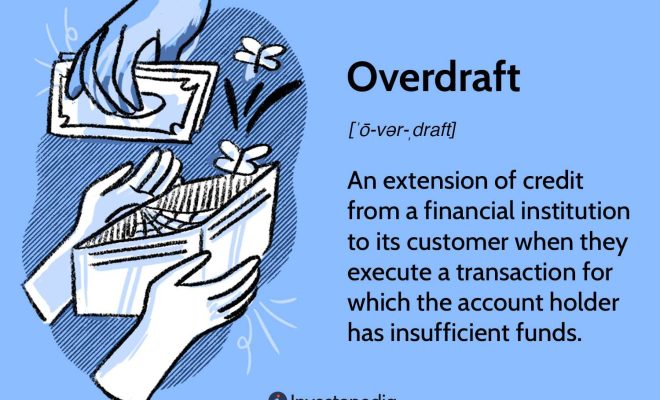
Overdraft fees are imposed by banks when a customer withdraws more money than they have available in their checking account or overdraws using a check, debit card, automatic bill payment, or other transaction types. When this happens, the bank covers the shortfall by extending a line of credit to the account holder. In return for this service, the bank charges an overdraft fee, which typically ranges from $25 to $35 per occurrence.

Different Types of Overdraft Protection

To help customers avoid overdraft fees, many banks offer overdraft protection services. There are several types of protection available:

1. Linking a Savings Account: By linking your savings account to your checking account, you can automatically transfer funds between them if you overdraw your checking balance.

2. Line of Credit: Some banks offer an overdraft line of credit that functions similarly to a credit card. If you overdraw your account, the bank will transfer funds from your line of credit to cover the transaction.

3. Overdraft Protection Plans: These plans typically involve a monthly fee and grant you a specific amount of leeway in case of an overdraft. Instead of charging a standard overdraft fee for each occurrence, these plans charge lower fees based on usage.

Tips for Avoiding Overdraft Fees

There are several strategies for avoiding overdraft fees:

1. Track Your Expenses: Regularly monitor your account balance and transactions by using mobile banking apps or online banking services.

2. Set Up Account Alerts: Many banks allow customers to set up email or text alerts when a balance reaches a certain threshold, helping you stay informed about your account status.

3. Create a Budget: Establishing a budget can help you avoid overdraft fees by encouraging more responsible spending habits and ensuring that you maintain a sufficient account balance.

4. Opt-Out of Overdraft Coverage: By law, banks cannot automatically enroll customers in overdraft coverage for ATM and one-time debit card transactions. You can choose to opt-out of this protection, resulting in declined transactions instead of costly overdraft fees. Be cautious, though, as bounced checks and recurring bill payments may still trigger overdraft charges.

5. Maintain an Emergency Fund: Having a dedicated savings account for emergencies can provide a buffer if you risk overdrawing your checking account.

In conclusion, understanding how bank overdraft fees work and implementing effective strategies to avoid them can save you a significant amount of money in the long run. By carefully monitoring your expenses, setting up alerts, and utilizing available resources such as overdraft protection plans, you can steer clear of these costly fees and maintain better financial health


Previous Article

How To Avoid Bouncing A Check:

Next Article

What Is Zelle and How Does It ...

Matthew Lynch

Related articles More from author

  • Tech Advice

    2024 Ford Bronco Raptor gets colorful new options

    August 19, 2023
    By Matthew Lynch
  • Tech Advice

    Take Your Best Night Photos: Pro Tips for iPhone, Samsung Galaxy, Pixel and More

    July 15, 2023
    By Matthew Lynch
  • Tech Advice

    How Big Are Solar Panels? Here’s Their Typical Size and Weight

    July 8, 2023
    By Matthew Lynch
  • Tech Advice

    Apple’s Find My app can do more than locate a lost iPhone. Here’s what you need to know

    July 16, 2023
    By Matthew Lynch
  • Tech Advice

    How to Get the Best Car Loan in 2023

    August 19, 2023
    By Matthew Lynch
  • Tech Advice

    The Best Monitors for Your Home Office

    October 19, 2023
    By Matthew Lynch

Search

Login & Registration

  • Log in
  • Entries feed
  • Comments feed
  • WordPress.org

Newsletter

Signup for The Tech Edvocate Newsletter and have the latest in EdTech news and opinion delivered to your email address!

About Us

Since technology is not going anywhere and does more good than harm, adapting is the best course of action. That is where The Tech Edvocate comes in. We plan to cover the PreK-12 and Higher Education EdTech sectors and provide our readers with the latest news and opinion on the subject. From time to time, I will invite other voices to weigh in on important issues in EdTech. We hope to provide a well-rounded, multi-faceted look at the past, present, the future of EdTech in the US and internationally.

We started this journey back in June 2016, and we plan to continue it for many more years to come. I hope that you will join us in this discussion of the past, present and future of EdTech and lend your own insight to the issues that are discussed.

Newsletter

Signup for The Tech Edvocate Newsletter and have the latest in EdTech news and opinion delivered to your email address!

Contact Us

The Tech Edvocate
910 Goddin Street
Richmond, VA 23231
(601) 630-5238
[email protected]

Copyright © 2026 Matthew Lynch. All rights reserved.
