Balancing Progress and Preservation: The Controversial AI Factory in Makarewa
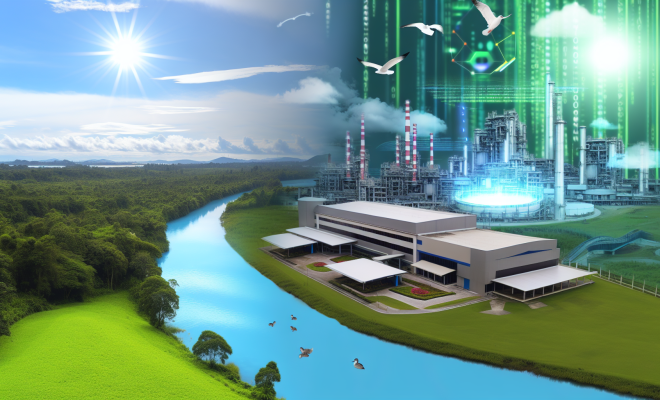
In a significant development for New Zealand’s technological landscape, Datagrid has received full resource consent to establish a massive 78,000 square metre artificial intelligence (AI) factory in Makarewa. This project is poised to become a game-changer in the region’s economy, but it comes with a host of environmental concerns that have sparked a heated debate among local communities and stakeholders.
Project Overview
The ambitious AI factory aims to consume a staggering 280 megawatts (MW) of power, positioning it as the second-largest electricity user in the area, just behind the Tiwai Point aluminium smelter. The factory is expected to generate over 1200 construction jobs, which has drawn strong support from local officials, including Southland mayor Rob Scott. However, this development is not without its challenges.
Environmental Concerns
A recent report by commissioner Leersnyder has highlighted several environmental issues associated with the construction and operation of the AI factory. Some of the major concerns include:
- Wildlife Disturbance: The installation of a large cable for the factory’s operations may significantly disrupt local wildlife.
- Wetland Removal: The project involves the removal of a 2400 square metre wetland, which has been deemed to have minor adverse effects but raises concerns about biodiversity loss.
- Groundwater Extraction: The factory plans to extract approximately seven litres of groundwater per second, raising alarms about potential impacts on local water resources.
- Treated Wastewater Discharge: Daily discharge of up to 5000 litres of treated wastewater into the environment could affect nearby ecosystems.
These environmental implications have raised questions about the sustainability of such a large-scale project, prompting community members to voice their concerns. The potential impact on local wildlife and ecosystems is particularly worrisome for those who prioritize environmental conservation.
Economic Benefits vs. Environmental Costs
On one side of the debate, proponents of the AI factory cite the economic benefits that the project will bring to the region. The creation of over 1200 construction jobs, along with ongoing employment opportunities in the factory’s operations, is seen as a significant boost to Southland’s economy. Mayor Rob Scott has publicly supported the project, emphasizing the importance of economic growth and job creation in the area.
Conversely, local residents and environmental groups argue that the potential long-term ecological damage and disruption to local communities outweigh the short-term economic gains. The loss of a wetland and the potential consequences of groundwater extraction are concerns that cannot be easily dismissed. The debate centers around the urgent need for technological advancement and job creation, balanced against the imperative to protect natural resources.
Community Feedback and Company Response
In response to community feedback, Datagrid has taken steps to address concerns regarding power consumption, water usage, and rainwater collection. The company plans to implement measures to mitigate the environmental impact, though specifics on these initiatives remain unclear.
Remi Glasso, the founder and CEO of Datagrid, is expected to make a press announcement next week, which may provide further details on how the company plans to address these concerns. The announcement could also shed light on the company’s commitment to sustainability and environmental stewardship.
Future Implications
The establishment of the AI factory in Makarewa could set a precedent for future projects in New Zealand. As the country grapples with the dual pressures of economic development and environmental preservation, this case will be closely monitored by both supporters and critics.
As technology companies increasingly look to expand their operations globally, the outcomes of this project may influence how similar developments are approached in other regions. The balance between fostering technological innovation and protecting environmental integrity is a challenge that many communities face, and how Makarewa navigates this dilemma will be crucial.
Conclusion
The decision to move forward with the AI factory in Makarewa encapsulates the complexities of modern industrial development. While the potential economic benefits are significant, they must be weighed against the environmental costs and the cultural values of local communities. As discussions continue, it is imperative for all stakeholders—government officials, local residents, and environmental advocates—to engage in constructive dialogue to find common ground.
As the region prepares for the impending changes brought on by the AI factory, it serves as a reminder of the importance of sustainable development in an age where technology and nature must coexist harmoniously.