Turkish Visitors Transform Greek Island Tourism in the Aegean
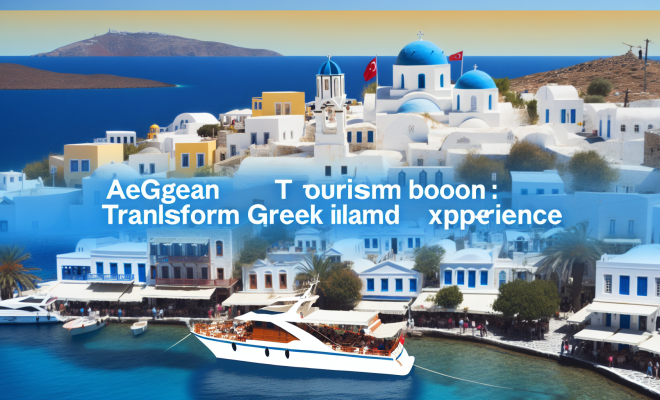
The Aegean Sea is witnessing a remarkable transformation in its tourism landscape, driven by a significant increase in Turkish travelers exploring nearby Greek islands. This surge not only redefines travel trends in the region but also strengthens economic ties between Turkey and Greece, laying the groundwork for a promising future in tourism.
The Rise in Turkish Travel to Greek Islands
Historically, the Aegean region has been a favored destination for tourists from around the world, but a noticeable shift is occurring as more Turks are choosing to vacation on Greek islands such as Lesbos and Chios. This trend can be attributed to several factors, including improved ferry services, increased cultural exchange, and a growing desire for cross-border travel among younger generations.
Boost to Local Economies
The influx of Turkish tourists is having a tangible impact on the local economies of these islands. With more visitors arriving, demand for accommodations, restaurants, and local attractions is rising sharply. Island businesses are benefiting from the increased patronage, which is crucial for their recovery post-pandemic.
- Accommodation Services: Hotels and guesthouses are experiencing higher occupancy rates, leading to increased revenue for local operators.
- Dining and Entertainment: Restaurants are expanding their offerings to cater to diverse tastes, enhancing the overall visitor experience.
- Local Attractions: Tours and excursions see a boost in participation, as Turkish travelers seek to explore the rich history and natural beauty of the islands.
Improved Accessibility
One of the primary drivers of this tourism boom is the enhanced accessibility between Turkey and Greece. Ferries connecting the Turkish coast to the Aegean islands have seen increased services, making it easier for travelers to hop between countries. The proximity of islands like Lesbos—just a short ferry ride away from Turkey—has made spontaneous weekend getaways a reality for many.
As transportation options expand, so do the opportunities for cultural exchange. Turkish travelers are now more frequently visiting Greek islands, not just for leisure but also to experience the unique blend of cultures that exists in the Aegean region. This exchange enriches both Turkish and Greek communities, promoting understanding and collaboration.
Changing Travel Trends
The demographic of travelers is also shifting. Traditionally, Greek islands have attracted tourists from Western Europe and North America, but the recent influx of Turkish visitors is altering this dynamic. Young Turks, in particular, are eager to explore the Greek islands, drawn by their natural beauty, historical significance, and vibrant nightlife.
This trend is prompting local tourism boards to rethink their marketing strategies, focusing on attracting not just international visitors but also regional tourists. By positioning the islands as a viable option for Turkish travelers, local authorities are working to create a more inclusive travel environment.
Challenges and Opportunities
While the surge in tourism presents numerous opportunities, it also brings challenges. The rapid increase in visitors raises concerns about sustainability, with potential strains on local resources and infrastructure. Island communities must find ways to balance the economic benefits of tourism with the preservation of their natural and cultural heritage.
Local governments and businesses are beginning to recognize the importance of sustainable tourism practices. Initiatives aimed at protecting the environment, promoting local culture, and ensuring that growth is managed responsibly are gaining traction. This proactive approach can help mitigate the adverse effects of mass tourism while enhancing the visitor experience.
The Future of Aegean Tourism
As the trend of Turkish travelers visiting Greek islands continues to grow, so does the potential for a redefined Aegean tourism landscape. The cross-border movement not only fosters economic growth but also encourages cultural dialogue between neighboring countries. The future looks bright for the Aegean, as tourism plays a pivotal role in strengthening ties and fostering mutual respect among nations.
In conclusion, the tourism explosion in the Aegean is a testament to the power of connectivity and shared experiences. As Turkish travelers increasingly explore the beauty and charm of Greek islands, both countries stand to benefit from this rich tapestry of cultural exchanges, ultimately paving the way for a prosperous and harmonious future in the region.