The Startling Truth About AI’s Medical Revolution You Need to Know
“`html
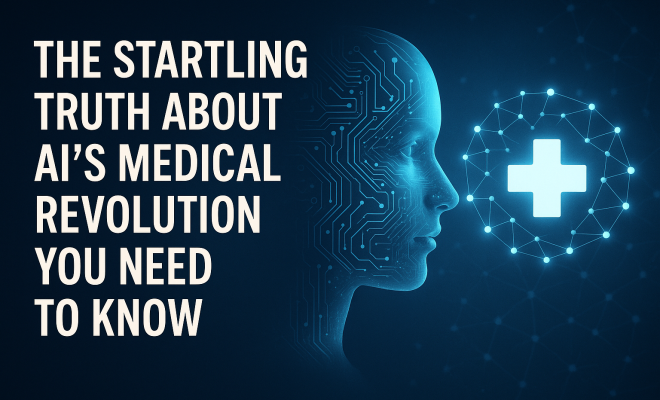
It’s a future we’ve long imagined: doctors with superhuman abilities, spotting diseases long before they manifest, offering cures with pinpoint precision. Well, that future isn’t just on the horizon; it’s here, unfolding in real-time, powered by the incredible capabilities of artificial intelligence disease detection. From scanning complex medical images to sifting through mountains of patient data, AI is rapidly transforming how we diagnose and treat illnesses, promising a new era of proactive healthcare. But like any powerful technology, this revolution comes with a significant catch, a shadow that trails its impressive light: a host of ethical and policy challenges that demand our immediate attention.
Think about it: what if an algorithm, designed to save lives, inadvertently discriminates against certain populations? What if the very tools meant to improve access to care end up exacerbating health disparities? These aren’t hypothetical questions; they’re pressing concerns as AI-enabled medical devices proliferate. We’re talking about more than a thousand such devices already authorized and in use, a number that’s growing by the day. This isn’t just about cool tech; it’s about the very fabric of our healthcare system, the trust between patient and provider, and the fundamental right to equitable care. The stakes couldn’t be higher, and understanding both the immense promise and the inherent pitfalls of artificial intelligence disease detection is absolutely crucial for all of us.
The Unprecedented Power of AI in Early Disease Detection
Let’s start with the good news, and there’s a lot of it. The core strength of artificial intelligence disease detection lies in its ability to identify intricate patterns and anomalies that might elude even the most experienced human eye. Our medical records, for instance, are data goldmines – patient histories, lab results, genetic markers, lifestyle choices. For a human doctor, sifting through all this to find subtle correlations for a single patient is a monumental task. For AI, it’s what it does best. Machine learning algorithms can process vast datasets, learn from millions of previous cases, and detect early indicators of disease with astonishing speed and accuracy.
Consider medical imaging. Radiologists spend years honing their skills to interpret X-rays, MRIs, and CT scans. They’re incredibly good at it, but they’re still human. Fatigue, subtle visual cues, or the sheer volume of images can sometimes lead to missed diagnoses. AI systems, however, don’t get tired. They can analyze images pixel by pixel, identifying minute changes indicative of conditions like early-stage cancers, diabetic retinopathy, or neurological disorders. This capability doesn’t just speed up diagnosis; it can significantly improve the chances of successful treatment by catching diseases at their most curable stages. It’s a true game-changer, promising to alleviate the burden on overstretched healthcare systems and bring high-quality diagnostics to underserved areas.
From Image Analysis to Predictive Analytics: How AI Works
The magic behind artificial intelligence disease detection isn’t a single trick; it’s a suite of sophisticated techniques. One of the most prominent is deep learning, a subset of machine learning inspired by the structure and function of the human brain. Convolutional Neural Networks (CNNs), for example, are particularly adept at image recognition. When trained on millions of medical images – say, mammograms with and without cancerous lesions – a CNN learns to identify the visual features associated with cancer. It can then apply this learned knowledge to new, unseen mammograms, flagging suspicious areas for a radiologist’s review. This isn’t about replacing doctors; it’s about giving them a powerful second opinion, a tireless assistant that never misses a detail.
Beyond images, AI excels at predictive analytics. By analyzing a patient’s electronic health records (EHRs), including demographics, family history, lab results, and medication lists, AI models can predict an individual’s risk of developing certain conditions in the future. Imagine an AI system flagging a patient as being at high risk for type 2 diabetes years before symptoms appear, based on subtle shifts in blood markers and lifestyle patterns. This allows for proactive interventions – dietary changes, increased exercise, regular monitoring – potentially preventing the disease altogether or significantly delaying its onset. This shift from reactive treatment to proactive prevention is arguably one of AI’s most profound contributions to healthcare.
The Ethical Minefield: Bias and Inaccurate Algorithms
Here’s where the shadow starts to loom large. The promise of artificial intelligence disease detection is immense, but its deployment is fraught with ethical complexities. One of the most significant concerns revolves around algorithmic bias. AI models learn from the data they’re fed. If that data predominantly represents certain demographics – say, primarily white, male patients – the AI might perform less accurately when applied to individuals from underrepresented groups. This isn’t intentional malice; it’s a reflection of historical biases in data collection and healthcare access.
The consequences of biased algorithms can be devastating. An AI system trained on skewed data might consistently miss early signs of disease in women, or individuals of certain ethnic backgrounds, leading to delayed diagnoses, poorer health outcomes, and exacerbating existing health disparities. This isn’t just an abstract concern; it’s a very real possibility that demands rigorous attention during algorithm development and deployment. Ensuring fairness and equity in AI diagnostics isn’t just an ethical nicety; it’s a medical imperative. Imagine the legal and moral ramifications if an AI system consistently misdiagnosed a particular group, leading to preventable suffering and death. This is why transparency in data sources and rigorous testing across diverse populations are absolutely non-negotiable.
Unequal Outcomes and Inappropriate Medical Decisions
The issue of bias extends beyond just missed diagnoses. It can lead to unequal outcomes in treatment recommendations and even inappropriate medical decisions. If an AI system, for example, is used to prioritize patients for certain interventions or allocate scarce resources, a biased algorithm could inadvertently disadvantage specific groups. This isn’t merely theoretical; we’ve seen examples in other sectors where algorithms have perpetuated or amplified existing societal inequalities.
What if an AI, based on incomplete or biased data, suggests a less aggressive treatment plan for a patient from a marginalized community, while recommending a more comprehensive one for a patient from a privileged background, despite similar clinical profiles? Such scenarios could erode patient trust, deepen health inequities, and ultimately undermine the very goal of improving healthcare through AI. The human element, the doctor’s critical judgment, remains paramount. AI should be a tool to augment, not replace, human decision-making, especially when those decisions carry such profound implications for individual lives. (See: NIH funding for AI in healthcare.) See also AI and patient trust.
Regulatory Efforts: The FDA’s Role and Post-Market Performance
Recognizing these profound challenges, regulatory bodies like the U.S. Food and Drug Administration (FDA) are actively engaged in shaping the landscape for AI-enabled medical devices. It’s a complex task because, unlike traditional medical devices, AI algorithms can learn and adapt over time, meaning their performance isn’t static. This dynamic nature presents a unique regulatory hurdle. For more context, see AI's ALS breakthrough.
The FDA is working on frameworks to address everything from initial algorithm validation to ongoing post-market performance monitoring. They’re looking at how to ensure that these devices remain safe and effective throughout their lifecycle, especially as they may evolve with new data. This includes developing rules specifically to mitigate bias, ensuring algorithms are tested on diverse populations, and requiring manufacturers to demonstrate how they will monitor and update their AI systems responsibly. With over a thousand AI-enabled medical devices already authorized, the FDA’s proactive stance is absolutely critical. We can’t afford to wait for widespread harm before establishing robust guidelines.
WHO’s Call for Ethical AI Design and Patient Autonomy
The World Health Organization (WHO) has also weighed in forcefully, emphasizing the critical need for ethical AI design in medicine. Their guidelines underscore principles like respecting human autonomy, promoting equity, and ensuring transparency. For the WHO, AI in healthcare shouldn’t just be effective; it must also be fair, accountable, and designed with patient well-being at its absolute core.
Safeguarding patient autonomy is a cornerstone of medical ethics, and it becomes even more vital in the age of predictive AI. If an AI predicts a high likelihood of a future illness, how is that information communicated to the patient? What are the psychological impacts of knowing you’re predisposed to a severe condition years in advance? Patients must retain the right to understand, question, and ultimately decide on their medical care, even when presented with AI-driven insights. It’s about empowering patients, not overwhelming or disempowering them with data they don’t comprehend or haven’t consented to fully understand. healthcare scandal insights offers useful background here.
The Viral Nature: Life-Saving Potential and Emotional Impact
It’s no wonder this topic has gone viral. On one hand, the life-saving potential of artificial intelligence disease detection is undeniable. The thought of catching cancer months earlier, preventing a stroke, or managing chronic conditions with unprecedented precision fills us with hope. It speaks to our deepest desires for health, longevity, and a better quality of life. Who wouldn’t want a system that could predict illness and guide us towards prevention?
But then there’s the emotional impact. Receiving a diagnosis, even a predictive one, can be profoundly unsettling. Learning you have a high genetic predisposition to Alzheimer’s or a heightened risk of heart disease, even without current symptoms, can trigger anxiety, depression, and a fundamental shift in how you view your future. How do we responsibly deliver such emotionally charged information? How do we support individuals through these challenging revelations, ensuring that the benefits of early detection outweigh the potential psychological burden? This isn’t just a technological puzzle; it’s a deeply human one.
Data Privacy, Discrimination, and the Insurance Industry
Beyond the clinical and emotional aspects, there are significant societal concerns, particularly around data privacy and potential discrimination. AI systems thrive on data, and medical data is among the most sensitive information an individual possesses. Who owns this data? How is it stored, shared, and protected? The fear of data breaches or the misuse of personal health information is a legitimate one, especially when that data can be used to predict future health outcomes.
And then there’s the thorny issue of the insurance industry. If AI can predict your likelihood of developing costly diseases, what’s to stop insurance companies from using this information to deny coverage, increase premiums, or create discriminatory tiers? While regulations like the Affordable Care Act (ACA) in the U.S. aim to prevent discrimination based on pre-existing conditions, the advent of highly predictive AI introduces new complexities. Could predictive AI create a new class of ‘pre-existing conditions’ based on future risk rather than current diagnosis? This isn’t just about healthcare; it’s about fundamental fairness and access to essential services. Imagine searching for “health insurance AI discrimination legal advice” – it’s a commercial intent search that highlights a very real, very troubling concern.
Monetization Opportunities and the Future Landscape
Of course, where there’s such immense innovation and societal impact, there are also significant monetization opportunities. The field of artificial intelligence disease detection is a goldmine for the medical/healthcare and insurance sectors, both high-CPC (Cost Per Click) niches. We’re already seeing a surge in commercial intent searches like “AI diagnostic tools comparison,” “cost of AI health screening,” and, as mentioned, “health insurance AI discrimination legal advice.”
This creates avenues for affiliate links to health tech companies developing these tools, insurance providers offering new plans (hopefully fair ones!), and even legal services specializing in patient rights. The market for AI-powered diagnostics is booming, attracting massive investment and fostering intense competition among developers. It’s a landscape ripe for innovation, but also one that requires constant vigilance to ensure that commercial interests don’t override ethical responsibilities. The future of healthcare, and indeed our personal health, is becoming increasingly intertwined with the algorithms and data that power this technological revolution. (See: CDC policy brief on AI in healthcare.)
Real-World AI Applications: Beyond the Hype
It’s easy to talk in broad strokes about AI’s potential, but seeing concrete examples helps ground the discussion. In ophthalmology, AI systems are now incredibly effective at detecting diabetic retinopathy, a leading cause of blindness, often spotting early signs before a human specialist. This is particularly impactful in remote or underserved areas where access to ophthalmologists is limited. A simple retinal scan can be analyzed by AI, providing quick and accurate preliminary results.
Another compelling area is pathology. Examining tissue samples under a microscope is a meticulous and time-consuming task for pathologists. AI algorithms can analyze these slides, identify cancerous cells with high accuracy, and even quantify tumor characteristics, helping pathologists make faster, more consistent diagnoses. For instance, in breast cancer diagnosis, AI can help differentiate between benign and malignant cells, reducing false positives and improving diagnostic speed. This isn’t replacing the pathologist but rather giving them a powerful tool to enhance their work and reduce diagnostic variability. For more context, see Europe's new regulations on AI.
In cardiology, AI is being used to analyze electrocardiograms (ECGs) and predict the risk of heart failure, atrial fibrillation, or even sudden cardiac arrest. These systems can pick up subtle patterns in electrical signals that might be missed by human interpretation, offering a chance for earlier intervention and personalized treatment plans. The sheer volume of data involved in these fields makes them ideal for AI’s pattern-recognition capabilities.
Challenges in Implementation: Integration and Trust
While the technological advancements are impressive, bringing AI into routine clinical practice isn’t without its hurdles. One major challenge is integration. Healthcare systems often rely on legacy IT infrastructure, making it difficult to seamlessly incorporate new AI tools. Compatibility issues, data silos, and the need for significant infrastructure upgrades can slow down adoption, even for highly effective AI solutions.
Another critical factor is trust – both from healthcare providers and patients. Doctors need to trust that the AI’s recommendations are accurate, reliable, and free from bias. This requires extensive validation, transparent explanations of how the AI arrived at its conclusions (interpretability), and continuous monitoring. Patients, in turn, need to feel confident that AI is enhancing their care, not diminishing the human connection with their doctor or making decisions without their informed consent. Building this trust takes time, education, and a track record of safe and effective deployment. Without it, even the most advanced AI will struggle to gain widespread acceptance. Related reading: healthcare's new frontier.
The Evolving Role of Healthcare Professionals
With AI taking on more diagnostic and predictive tasks, the role of healthcare professionals is inevitably shifting. This isn’t about doctors being replaced, but rather augmented. Radiologists, for example, might spend less time on routine image screening and more time on complex cases, patient consultations, and overseeing AI outputs. They become AI supervisors, validating findings and applying their nuanced clinical judgment to the bigger picture of a patient’s health.
For general practitioners, AI could act as an intelligent assistant, sifting through EHRs to flag potential risks or suggest diagnostic pathways based on the latest research. This frees up doctors to focus on empathy, communication, and personalized care – aspects that AI simply can’t replicate. The future likely involves a collaborative model, where human intelligence and artificial intelligence work hand-in-hand, each playing to its strengths to deliver better patient outcomes.
Global Health Equity: Bridging Divides or Widening Gaps?
The potential for AI to bridge global health disparities is immense. Imagine bringing sophisticated diagnostic capabilities to rural clinics in developing countries, where specialists are scarce. AI-powered tools could analyze medical images, detect infectious diseases, or identify nutritional deficiencies with minimal human intervention, offering a lifeline to millions. This could democratize access to high-quality diagnostics.
However, there’s also the risk that AI could widen existing gaps. If access to advanced AI diagnostic tools is limited to wealthy nations or privileged populations, it could exacerbate health inequities. The cost of developing and deploying these systems, the need for robust data infrastructure, and the potential for algorithmic bias to disproportionately affect underserved communities are all factors that need careful consideration. International collaboration, open-source initiatives, and equitable distribution models will be crucial to ensure AI truly serves global health equity. For more context, see the quiet AI revolution. (See: ScienceDirect article on AI ethics in medicine.)
FAQ: Artificial Intelligence Disease Detection
Q1: Is AI replacing doctors in disease detection?
No, AI is not replacing doctors. Instead, it acts as a powerful tool to assist healthcare professionals. AI excels at analyzing vast amounts of data and identifying patterns that might be missed by the human eye, particularly in medical imaging and predictive analytics. Doctors then use these AI-driven insights to make more accurate and faster diagnoses, focusing their expertise on complex cases and patient care.
Q2: How accurate are AI systems in detecting diseases?
The accuracy of AI systems varies depending on the specific application, the quality of the training data, and the disease being detected. In many areas, such as detecting diabetic retinopathy or certain cancers in imaging, AI has demonstrated accuracy comparable to, or even exceeding, human experts. However, AI is still a tool, and its results are always best interpreted and validated by a human clinician.
Q3: What are the main ethical concerns with AI disease detection?
Key ethical concerns include algorithmic bias (where AI performs less accurately on certain demographic groups due to skewed training data), data privacy and security, patient autonomy (how predictive information is communicated and acted upon), and the potential for discrimination by entities like insurance companies. Ensuring fairness, transparency, and accountability in AI development and deployment is paramount.
Q4: How does AI help with early disease detection?
AI helps with early disease detection by rapidly processing and analyzing large datasets from medical images, electronic health records, and genetic information. It can identify subtle anomalies or risk factors that indicate the very early stages of a disease, often before symptoms appear or are noticeable to humans. This allows for proactive interventions and significantly improves treatment outcomes.
Q5: Is my medical data safe with AI systems?
Data privacy and security are major concerns for AI in healthcare. Reputable AI developers and healthcare institutions are implementing robust cybersecurity measures, encryption, and anonymization techniques to protect patient data. Regulations like HIPAA in the U.S. and GDPR in Europe also set strict standards for handling sensitive medical information. However, like any digital system, risks of breaches exist, making continuous vigilance essential.
Q6: Can AI predict future health conditions?
Yes, AI can be used for predictive analytics. By analyzing a patient’s comprehensive health history, genetic markers, lifestyle data, and population-level trends, AI models can estimate an individual’s risk of developing certain diseases in the future. This enables personalized preventative strategies, but also raises ethical questions about how this information should be used and communicated.
Ultimately, the journey with artificial intelligence disease detection is one of incredible promise and profound responsibility. We stand at a pivotal moment, where the decisions we make today about regulation, ethics, and data governance will shape the future of health for generations to come. It’s not enough to simply marvel at the technology; we must actively participate in guiding its development to ensure it serves humanity’s best interests, creating a future where health is more accessible and equitable for all, not just a privileged few.
“`
Trending Now
Frequently Asked Questions
How is AI transforming healthcare?
AI is revolutionizing healthcare by enhancing disease detection and diagnosis. It analyzes complex medical data and images with precision, allowing for earlier identification of diseases and tailored treatment plans, thereby improving patient outcomes and transforming traditional practices.
What are the ethical concerns surrounding AI in medicine?
The integration of AI in medicine raises significant ethical concerns, including potential bias in algorithms that may discriminate against certain populations. These issues can lead to health disparities and challenge the foundational trust between patients and healthcare providers.
What is the role of AI in early disease detection?
AI plays a crucial role in early disease detection by identifying complex patterns in vast amounts of patient data. This capability enables healthcare professionals to spot diseases before they manifest, significantly improving the chances of successful treatment.
How many AI medical devices are currently in use?
There are over a thousand AI-enabled medical devices currently authorized and in use. This number is rapidly increasing as technology advances, highlighting the growing reliance on AI in modern healthcare practices.
What are the benefits of AI in patient care?
AI offers numerous benefits in patient care, including enhanced diagnostic accuracy, personalized treatment plans, and the ability to process large datasets quickly. This leads to more efficient healthcare delivery and improved patient outcomes.
Agree or disagree? Drop a comment and tell us what you think.