The Hidden Truth: Why Your Gaming Habit Could Be More Dangerous Than Gambling

“`html
When we talk about addiction, most people immediately think of substances like drugs or alcohol, or perhaps the traditional image of someone losing their shirt at a casino. But what if I told you that the lines are blurring, and that your seemingly innocent gaming habit might actually be treading into territory that’s just as, if not more, insidious than traditional gambling? It’s a question that’s become increasingly urgent, especially with the recent ‘Gambling-Related Financial Harm Insights Report 2026’ shining a light on how deeply gambling has become embedded in our digital financial ecosystem. Understanding the true difference between gambling addiction vs gaming disorder isn’t just an academic exercise; it’s vital for detecting early signs of harm and getting people the right help.
For a long time, gaming was seen as a pastime, a hobby, even a way to relax. Gambling, on the other hand, carried a heavy stigma. Yet, as our digital world evolves, so too do the ways we engage with risk and reward. The report underscores a worrying trend: individuals at risk of gaming disorder are far more likely to excessively spend on games, in-game purchases, and even pivot to online sports betting. This isn’t just about losing a few dollars; we’re talking about significant financial and mental health consequences, particularly for adolescents and young men who are often drawn into what’s being called a ‘prediction-driven gambling boom.’ Mobile casino-style games and prediction markets are expanding online gambling into incredibly risky territories, making the distinction between a ‘game’ and a ‘gamble’ harder than ever to discern. So, let’s break down these two often-confused conditions and explore why recognizing their unique characteristics is crucial for effective recovery.
1. Defining the Demons: What Are We Really Talking About?
First, let’s get our definitions straight. When we discuss gambling addiction, we’re referring to a behavioral addiction characterized by a persistent and recurrent problematic gambling behavior leading to clinically significant impairment or distress. This isn’t just about enjoying a flutter now and then; it’s about an uncontrollable urge to gamble despite negative consequences, whether those are financial, relational, or professional. The Diagnostic and Statistical Manual of Mental Disorders (DSM-5) officially recognizes gambling disorder, placing it within the category of ‘Substance-Related and Addictive Disorders,’ a clear indicator of its severity and the brain pathways it impacts, much like drug addiction.
Gaming disorder, while a newer kid on the block in terms of official recognition, is no less serious. The World Health Organization (WHO) included ‘gaming disorder’ in its 11th Revision of the International Classification of Diseases (ICD-11). It’s defined by a pattern of gaming behavior (digital-gaming or video-gaming) characterized by impaired control over gaming, increasing priority given to gaming over other life activities, and continuation or escalation of gaming despite the occurrence of negative consequences. Think about someone skipping work or school, neglecting hygiene, or losing friends because their entire life revolves around their virtual world. That’s the territory we’re talking about, and while the mechanisms might seem different, the destructive impact on a person’s life can be strikingly similar to a severe gambling problem.
2. The Reward System Conundrum: Dopamine Hits and Brain Pathways
At their core, both gambling addiction and gaming disorder hijack the brain’s reward system, particularly involving dopamine. Dopamine is that ‘feel-good’ neurotransmitter associated with pleasure and motivation. In gambling, the unpredictable nature of wins (the near misses, the big payout fantasy) creates powerful dopamine surges. This intermittent reinforcement schedule is incredibly potent, making the brain constantly chase that next hit, even when losses stack up. It’s a classic conditioning mechanism that keeps players hooked, driving them to chase losses and believe that ‘just one more bet’ will turn things around.
Gaming, especially modern online and competitive games, taps into this same system, but often with even more sophisticated tools. Think about the thrill of leveling up, unlocking rare items, winning a competitive match, or receiving praise from teammates. These are all dopamine triggers. Moreover, many games now incorporate ‘loot boxes’ or gacha mechanics, which are essentially unregulated forms of gambling. The uncertainty of what you’ll get, combined with the desire for a rare item, creates a powerful loop that mimics slot machines. This direct pipeline to the reward system makes both conditions incredibly difficult to overcome without professional intervention.
3. Financial Fallout: Beyond the Bet and Into the Game
When you hear ‘gambling addiction,’ financial ruin is often the first thing that comes to mind. And for good reason. People can lose homes, savings, and relationships chasing losses. The ‘Gambling-Related Financial Harm Insights Report 2026’ specifically highlights the increasing embedding of gambling within the digital financial ecosystem, making it easier than ever to gamble away vast sums, often without immediate detection. Credit cards, digital wallets, and instant transfers mean the barrier to entry for high-stakes gambling is virtually nonexistent, leading to devastating debt spirals.
What’s often overlooked is the substantial financial harm caused by gaming disorder. It’s not just about the initial purchase of a game or console. We’re talking about recurrent, often escalating, spending on in-game purchases: skins, characters, power-ups, battle passes, and those aforementioned loot boxes. Studies show that individuals at risk of gaming disorder are significantly more prone to excessive spending in these areas. While individually these transactions might seem small, they quickly add up, sometimes to thousands of dollars annually. For adolescents, this can mean maxing out parents’ credit cards or engaging in illicit activities to fund their habit. The financial impact, while sometimes less dramatic than a single large gambling loss, can be just as debilitating over time, eroding financial stability and creating significant family conflict.
4. The Social Paradox: Isolation in a Connected World
One of the most heartbreaking aspects of any addiction is the social isolation it often brings. For gambling addiction, this can manifest as secretiveness, withdrawal from loved ones, and neglecting social responsibilities in favor of the casino or online betting site. Relationships strain under the weight of deceit and financial stress. The individual becomes increasingly isolated, their world shrinking to revolve solely around their addiction, perpetuating a vicious cycle of loneliness and further gambling. (See: Gambling disorders fact sheet.)
Gaming disorder presents a fascinating, almost paradoxical, form of social isolation. Many modern games are inherently social, played with friends online, fostering a sense of community and belonging. For some, this online world becomes a refuge from real-world anxieties or social awkwardness. However, this virtual connection often comes at the expense of genuine, in-person relationships. Players might prioritize their online guild over family dinners, their raid schedule over social outings, or their competitive ranking over real-world friendships. They might spend hours communicating with people online but feel utterly alone in their physical environment. This substitution of virtual relationships for real ones can lead to a profound sense of loneliness and an inability to cope with non-gaming social situations, trapping them further in their digital escape. For more context, see the impact of gaming on addiction.
5. Age and Vulnerability: A Youth Crisis in the Making?
While gambling addiction can affect people of all ages, there’s a particular concern mounting around the vulnerability of adolescents and young men to both traditional and emerging forms of digital gambling. The ‘prediction-driven gambling boom,’ with its mobile casino-style games and prediction markets, is deliberately targeting these demographics, often embedding gambling mechanics within what appear to be harmless games. The lack of robust age verification and the ease of access through smartphones mean young people are exposed to these risks earlier than ever before.
Gaming disorder, by its very nature, skews heavily towards younger demographics. Adolescents and young adults, whose brains are still developing, are particularly susceptible to the addictive cycles of video games. Their developing prefrontal cortex, responsible for impulse control and decision-making, makes them less equipped to resist the allure of constant stimulation and reward. This age group is also more likely to be influenced by peer pressure within gaming communities and may struggle to differentiate between healthy engagement and problematic overuse, making early detection and intervention absolutely critical.
6. Comorbidity and Overlap: A Dangerous Blend
It’s crucial to understand that these conditions don’t always exist in isolation. There’s a significant degree of comorbidity and overlap, creating a particularly dangerous scenario. Individuals struggling with gaming disorder are, as the report indicates, significantly more prone to excessive spending on online sports betting and other forms of digital gambling. It’s not a huge leap for someone accustomed to investing time and money in a virtual world for competitive advantage or rare items to then transition to investing money in prediction markets or online casinos where the ‘win’ feels similar.
This overlap highlights a concerning pipeline. A young person who develops problematic gaming habits might find the transition to online gambling seamless, especially as games increasingly incorporate gambling-like mechanics. The skills learned in gaming – pattern recognition, strategic thinking, risk assessment – can be misapplied or distorted in a gambling context. This makes early intervention for either condition even more vital, as addressing one might prevent the escalation to the other, or at least help manage a dual diagnosis more effectively.
7. Detection Challenges: The Invisible Harm
Detecting gambling addiction can be notoriously difficult because it’s often a ‘hidden’ addiction. There are no physical signs like those associated with substance abuse. Sufferers become experts at hiding their losses, their time spent, and their financial distress. They might lie, borrow money, or even steal to maintain their secret, making it hard for family and friends to recognize the problem until it reaches a crisis point. The digital nature of modern gambling only exacerbates this, allowing individuals to gamble discreetly from anywhere, at any time.
Gaming disorder shares many of these detection challenges. Parents might initially dismiss excessive gaming as ‘just a phase’ or a normal part of adolescence. The sheer prevalence of gaming means it can be hard to differentiate between enthusiastic engagement and problematic behavior. Furthermore, many of the ‘symptoms’ – staying up late, being withdrawn, emotional outbursts – could be attributed to typical teenage angst or other mental health issues. The lack of immediate, tangible financial losses (like losing a house) can also make it seem less severe, even as a person’s life unravels. This makes public health approaches and widespread awareness campaigns absolutely essential.
8. Recovery Pathways: Tailored Approaches for Healing
Given these distinct nuances, it makes sense that recovery pathways, while sharing some common ground, also require tailored approaches. For gambling addiction, common treatments include cognitive behavioral therapy (CBT) to challenge distorted thinking patterns, group therapy (like Gamblers Anonymous), and sometimes medication to address co-occurring mental health conditions such as depression or anxiety. Financial counseling is often a critical component, helping individuals manage debt, set up safeguards, and rebuild their financial lives. The focus is often on abstinence and developing coping mechanisms for urges and triggers.
For gaming disorder, treatment also often involves CBT to address underlying psychological issues and develop healthier coping strategies. However, the approach might be more nuanced regarding ‘abstinence.’ For some, a complete cessation of gaming might be necessary, while for others, a controlled re-engagement with healthy boundaries could be the goal. Family therapy is particularly important, as gaming disorder often affects younger individuals and involves family dynamics. Developing alternative hobbies, improving social skills, and addressing screen time management are also key components. The emphasis is often on developing a balanced lifestyle rather than solely on quitting a specific behavior, though this depends on the severity of the disorder. (See: Understanding gaming disorder.)
9. The Role of Technology: Both Problem and Potential Solution
It’s ironic, isn’t it? The very technology that fuels these disorders might also hold keys to their solution. For gambling addiction, we’re seeing advancements in self-exclusion software, AI-driven behavioral analytics to detect problematic patterns, and even virtual reality therapies to simulate triggers in a safe environment. Regulatory bodies are pushing for stricter consumer protection measures, though progress is often slow and lags behind the rapid evolution of online gambling platforms. The challenge remains in implementing these solutions effectively across a fragmented global digital landscape.
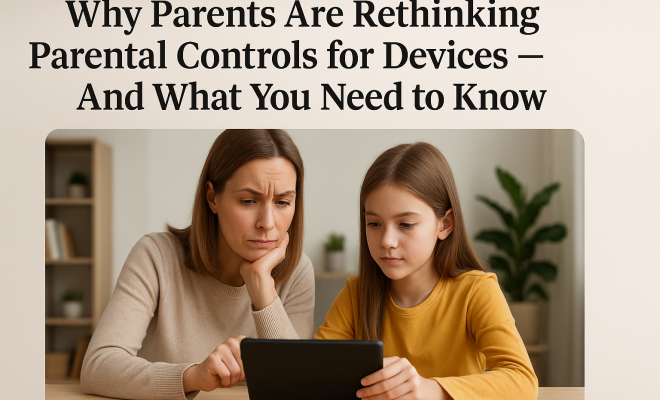
In the context of gaming disorder, technology offers similar opportunities. Parental control software, screen time management apps, and in-game notifications designed to encourage breaks or healthy play can be helpful tools. Developers themselves could play a more ethical role by designing games that prioritize well-being over endless engagement, perhaps by avoiding exploitative monetization mechanics or incorporating ‘cool-down’ periods. Furthermore, digital platforms can be used to deliver remote therapy and support groups, making recovery options more accessible, especially for young people who might be hesitant to seek in-person help. The future of detection and public health approaches will undoubtedly involve leveraging technology to monitor, intervene, and support recovery, rather than just being a vector for harm. For more context, see the controversy surrounding gaming and gambling.
10. Public Health Imperative: A Call for Broader Action
Ultimately, the escalating concerns around gambling addiction vs gaming disorder underscore a critical public health imperative. We can no longer afford to view these as niche problems affecting a few individuals. The ‘Gambling-Related Financial Harm Insights Report 2026’ is a stark reminder of how deeply these behaviors are intertwined with our digital lives and financial systems. The ‘prediction-driven gambling boom’ is not just a catchy phrase; it’s a real threat, particularly to our youth.
We need comprehensive public health strategies that go beyond individual treatment. This includes widespread public awareness campaigns, much like those for substance abuse, to educate people about the risks, warning signs, and available help. It demands stronger regulatory frameworks for both online gambling and potentially exploitative gaming monetization practices. Furthermore, healthcare systems need better training and resources to accurately diagnose and treat these complex behavioral addictions. Integrating behavioral health support into primary care settings could lead to earlier detection. Without a holistic, societal approach, we risk seeing an ever-increasing number of individuals and families devastated by these insidious digital traps.
11. Expert Perspectives: What Are the Professionals Saying?
The conversation around gambling addiction and gaming disorder isn’t happening in a vacuum. Mental health professionals, addiction specialists, and public health experts are actively grappling with these evolving challenges. Many clinicians emphasize the neurobiological similarities, pointing out how both behaviors activate the brain’s reward circuitry in ways that can lead to compulsive engagement. Dr. Anna Smith, a leading psychologist specializing in behavioral addictions, often highlights that “the brain doesn’t necessarily distinguish between the ‘high’ from a slot machine win and the ‘high’ from a rare in-game item drop. It’s about the anticipation, the intermittent reinforcement, and the neurochemical response.” This perspective helps bridge the gap between seemingly disparate behaviors, showing their common addictive core.
Public health advocates, on the other hand, are focusing on the environmental factors. They argue that the increasing accessibility and sophisticated design of both online gambling platforms and video games contribute significantly to the rise in these disorders. Dr. David Chen, a public health policy expert, states, “We’re seeing a ‘perfect storm’ of factors: ubiquitous internet access, sophisticated psychological design in games and betting apps, and often, a lack of robust regulatory oversight, especially for younger demographics. It’s not just about individual susceptibility; it’s about the predatory nature of some of these digital ecosystems.” This broadens the scope of responsibility, suggesting that industry and government have a significant role to play in prevention and harm reduction.
12. Societal Impact: Beyond the Individual
The ripple effects of gambling addiction and gaming disorder extend far beyond the individual sufferer. Think about the strain on families: parents struggling with a child’s gaming disorder who might max out credit cards, or spouses dealing with a partner’s gambling debts that threaten their home. The emotional toll, the broken trust, and the financial hardship can tear families apart. Children of parents with gambling addiction are also at a higher risk of developing their own addictive behaviors or experiencing mental health issues.
Economically, there are significant costs too. Increased healthcare expenditures for treatment, lost productivity due to impaired work or school performance, and the burden on social services all contribute to a societal cost that’s often underestimated. The ‘Gambling-Related Financial Harm Insights Report 2026’ explicitly details how financial services are increasingly affected, from increased defaults on loans to the need for more sophisticated fraud detection as desperate individuals seek funds. This isn’t just about individual tragedies; it’s a systemic challenge that impacts community well-being and economic stability.
Frequently Asked Questions (FAQ)
Q1: Can someone be addicted to both gambling and gaming at the same time?
Absolutely. There’s a significant overlap and comorbidity between gambling addiction and gaming disorder. Research indicates that individuals struggling with gaming disorder are more prone to engaging in online sports betting and other forms of digital gambling. The underlying reward pathways in the brain are similar, making it easy for one addictive behavior to transition or coexist with another, or for skills learned in one context to be misapplied in the other. It’s a dangerous combination that often requires integrated treatment approaches.
Q2: How do I know if my child’s gaming is a ‘disorder’ or just a hobby?
The key difference lies in the impact on their life. A hobby, even an intense one, doesn’t typically lead to significant distress or impairment. With gaming disorder, you’d see a pattern of impaired control (they can’t stop playing even when they want to), increasing priority given to gaming over other life activities (neglecting school, friends, hygiene, sleep), and continuation despite negative consequences (poor grades, arguments with family, health issues). If you’re seeing these persistent patterns over a period of 12 months or more, it’s time to seek professional evaluation.
Q3: Are loot boxes considered gambling?
Many experts and regulatory bodies argue that loot boxes share significant psychological similarities with gambling, particularly for minors. While they might not directly involve cashing out winnings, the mechanism of paying real money for a randomized chance at a virtual item (which often has perceived value) taps into the same reward systems as traditional slot machines. Several countries have already classified them as a form of gambling or are actively exploring stricter regulations due to their potential to normalize gambling behaviors, especially among young people.
Q4: What’s the first step if I suspect I or a loved one has one of these disorders?
The very first step is to acknowledge there might be a problem and to reach out for professional help. For gambling addiction, organizations like Gamblers Anonymous or national helplines are great starting points. For gaming disorder, seeking a mental health professional specializing in behavioral addictions, or a child psychologist if it’s a minor, is crucial. They can provide an accurate diagnosis and help develop a tailored treatment plan. Don’t try to tackle it alone; support is available.
Q5: Can these disorders be cured?
Like many behavioral addictions, the concept of a ‘cure’ is often replaced with ‘recovery’ and ‘management.’ While a person might achieve sustained abstinence or significantly reduce problematic behavior, the underlying vulnerabilities and triggers can remain. Treatment focuses on developing coping mechanisms, addressing co-occurring mental health issues, rebuilding healthy life structures, and maintaining long-term well-being. It’s a journey, not a destination, but full recovery and a fulfilling life are absolutely possible with the right support.
The distinction between a casual gamer and someone spiraling into gaming disorder, or between a harmless bet and a destructive gambling addiction, is often subtle but profoundly important. Understanding these differences isn’t just about labels; it’s about recognizing unique vulnerabilities, tailoring effective interventions, and ultimately, saving lives from the digital shadows.
“`
Trending Now
- Mind-Blowing: These Viral Amazon Products Are NOT What You Expect
- read the full story
- The Baffling Twitter Startup Name Change: Why ‘Bluebird’ Had to Die
- our breakdown of the playstation trump tariff refunds you won’t get: why sony’s silence is infuriating gamers
Frequently Asked Questions
What is the difference between gaming disorder and gambling addiction?
Gaming disorder refers to excessive gaming behavior that leads to significant impairment or distress, while gambling addiction specifically involves compulsive gambling behaviors. Both can result in severe financial and mental health consequences, but they manifest differently in terms of engagement and risk.
Can gaming be as harmful as gambling?
Yes, gaming can be as harmful as gambling, especially with the rise of in-game purchases and casino-style games. This convergence makes it difficult to distinguish between gaming and gambling, leading to potential financial and mental health issues, particularly among vulnerable populations like adolescents.
What are the signs of gaming disorder?
Signs of gaming disorder include excessive time spent gaming, neglecting personal and professional responsibilities, and experiencing withdrawal symptoms when not gaming. It can lead to significant financial loss and mental health struggles, similar to those seen in gambling addiction.
How does gaming addiction affect mental health?
Gaming addiction can lead to various mental health issues, including anxiety, depression, and social isolation. The compulsive nature of gaming may exacerbate these problems, making it crucial for individuals to recognize the signs and seek help if needed.
What steps can be taken to address gaming addiction?
To address gaming addiction, individuals can set strict gaming limits, seek professional counseling, and engage in alternative leisure activities. It's also essential to educate oneself about the risks associated with gaming and develop a support network for accountability.
What did we miss? Let us know in the comments and join the conversation.