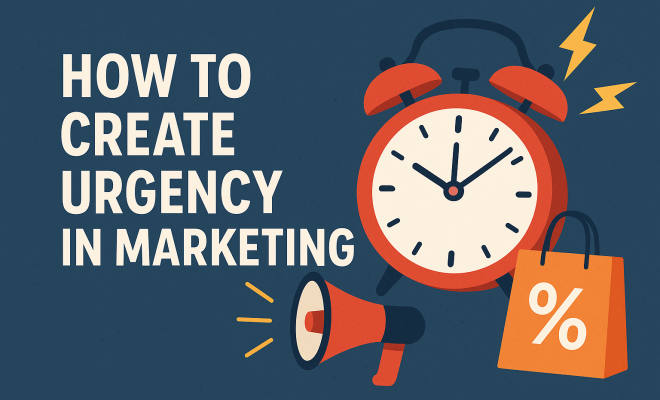
How to create urgency in marketing
“`html
In the fast-paced world of marketing, instilling a sense of urgency can be the difference between a potential customer clicking away and making a purchase. To effectively create urgency in marketing, brands must utilize a variety of tactics that resonate with their target audience. This article explores nine proven strategies to create urgency in marketing, ensuring you grab attention and drive conversions.
1. Time-Limited Offers: A Classic Approach
One of the simplest yet most effective ways to create urgency in marketing is through time-limited offers. By setting a deadline on discounts or promotions, you encourage customers to act quickly. For example, a retailer might announce a flash sale that lasts only 48 hours, motivating hesitant shoppers to complete their purchases before the opportunity disappears.
Stats support this tactic: according to a study by MarketingProfs, 77% of consumers are more likely to purchase when they see a limited-time offer. This sense of urgency taps into the fear of missing out (FOMO), driving immediate action.
2. Scarcity Marketing: The Power of Limited Stock
Scarcity marketing leverages the principle that people want what they can’t have. By indicating that a product is in limited supply, you create a sense of urgency that can compel customers to purchase quickly. Phrases like “Only 3 left in stock!” can push consumers toward making a decision rather than delaying.
Research shows that scarcity can significantly affect consumer behavior. A study published in the Journal of Consumer Research revealed that consumers are more likely to buy a product when they perceive its availability as limited. It’s a psychological trigger that plays on fear and desire.
3. Countdown Timers: Visual Reminders of Urgency
Countdown timers effectively visualize urgency, providing a constant reminder that time is ticking down. When customers see a digital clock counting down to the end of a sale, it creates a palpable sense of urgency that can be hard to ignore. Tools like OptinMonster and Countdown Timer by Wix can help incorporate these elements into your website.
A study from Harvard Business School suggests that urgency can enhance the perception of value. By showing a countdown, you not only compel users to act before the deadline but also emphasize the uniqueness of the offer.
4. Exclusive Deals: Making Customers Feel Special
Creating exclusive deals for a select group—such as members of a loyalty program or email newsletter subscribers—can evoke urgency. When customers know that only a few individuals can access a specific offer, they’re more inclined to act promptly. This tactic reinforces the feeling of exclusivity and belonging. (school promotion guide)
For instance, brands like Sephora often provide exclusive discounts or early access to sales for their members, motivating many to join their loyalty programs. This strategy not only builds a sense of urgency but also fosters customer loyalty and engagement.
5. Seasonal Promotions: Tying Urgency to Time of Year
Seasonal promotions offer a natural way to create urgency in marketing. Holidays, special occasions, or seasonal changes provide perfect opportunities for brands to run themed campaigns. For example, a store can highlight a summer clearance sale, emphasizing that items are available for a limited time due to the season.
According to the National Retail Federation, seasonal promotions can significantly boost sales, with many consumers actively looking for bargains during these times. By clearly marking seasonal offers, you can effectively create urgency that aligns with the shopping behaviors of your target audience. (See: AP News on marketing strategies.)
6. Social Proof: Building Trust Through Urgency
Social proof is a powerful influencer in marketing. When potential customers see that others are buying a product or that it’s in high demand, they’re more likely to feel an urgency to purchase. Adding elements like customer reviews, ratings, and testimonials can create urgency by showing that others have already made the decision to buy.
For instance, an e-commerce site might display a message such as “100 people purchased this in the last hour!” This not only creates urgency but also builds trust, reassuring consumers that they are making a popular choice. Social proof can be a compelling motivator that can push hesitant buyers toward making a quick decision.
7. Urgent Language: Crafting the Right Message
The language used in your marketing materials can significantly impact how urgency is perceived. Using urgent language in your calls to action can be instrumental in pushing customers to act. Phrases like “Act now!”, “Limited time only!”, and “Don’t miss out!” create a pressing feeling, making consumers feel they need to act fast.
Copywriters often emphasize the importance of urgency in their writing. A study published in the Psychological Science journal found that wording can influence consumer decisions, with more urgent language leading to quicker responses. Test different variations in your messaging to find what resonates best with your audience.
8. Flash Sales and Pop-Up Events: Short and Sweet
Flash sales are events where discounts are offered for a very short period, often just a few hours. These sudden, short-lived promotions can create a spike in sales by fueling urgency and excitement. Pop-up events, whether online or offline, can also generate buzz and urgency as consumers rush to take advantage of exclusive deals that won’t be available for long.
Brands like Amazon and Groupon have mastered the art of flash sales, often leading to significant sales boosts. They create a sense of anticipation and urgency that not only drives immediate traffic but also keeps consumers returning for future promotions.
9. Clear Call-to-Action (CTA): Directing the Urgency
Finally, having a clear and compelling call-to-action is crucial for converting the sense of urgency you create into actual sales. Your CTA should be unambiguous, guiding customers on what to do next. Whether it’s “Buy Now!” or “Sign Up Today!”, a strong CTA helps eliminate confusion and encourages immediate action.
Incorporating urgency into the CTA can amplify its effectiveness. Phrases like “Limited stock available! Click here to grab yours now!” make it clear that the opportunity is fleeting. Test different CTAs to see which ones resonate most with your audience, enhancing your chances of driving conversions. This builds on gap analysis tips.
10. Utilizing Email Marketing: Direct Communication with Urgency
Email marketing can be an effective way to create urgency, especially when targeting previous customers or potential leads. Sending out tailored emails that highlight time-sensitive offers can drive immediate action. You might include countdown timers, exclusive discounts, or reminders about limited stock in your email campaigns. Using segmentation based on customer behavior can further enhance the effectiveness of these emails.
According to a report by Mailchimp, emails with a sense of urgency can increase open rates by 22% and click rates by 59%. Personalizing these emails to mention the recipient’s name or past purchases can result in even higher engagement levels.
11. Incorporating User-Generated Content: Creating Community Urgency
Encouraging your customers to share their experiences can create a community around your product or service, leading to a natural sense of urgency. When customers post about their purchases on social media, it not only serves as social proof but also creates a buzz. You might consider running contests or campaigns that encourage users to post photos with a specific hashtag, showcasing your product and driving urgency for others to join in. There’s a fuller look at strategies for school marketing.
For instance, a clothing brand could encourage customers to post their outfits featuring the latest collection with a specific hashtag, creating trends that compel others to purchase before items sell out.
12. Leveraging Influencer Partnerships: Creating a Buzz
Partnering with influencers can significantly amplify urgency in your marketing strategies. When followers see their favorite influencers promoting a time-limited offer or a product with limited availability, it can effectively create urgency. Influencers can communicate authentic experiences with your product, making recommendations feel more trustworthy. (See: New York Times on consumer behavior.)
For example, if a beauty influencer shares a discount code for a new skincare line that expires within a week, their audience may feel compelled to act quickly. According to a report by Statista, 49% of consumers rely on influencer recommendations, adding weight to the urgency created by these endorsements.
13. Dynamic Pricing Models: The Price is Right, but Only for Now
Dynamic pricing models can also create urgency. This strategy adjusts prices in real-time based on demand, stock levels, or customer behavior. By informing customers that prices may rise as stock decreases, you can motivate them to buy before the price changes.
A classic example is airline tickets, where prices often increase as the travel date approaches. A study by Rent.com shows that customers are 60% more likely to book flights when they perceive prices may go up. Implementing a similar model in retail can leverage this psychological trigger effectively.
14. FOMO: Understanding the Fear of Missing Out
FOMO is a powerful emotion that many marketers tap into when creating urgency. By presenting products or offers as “exclusive” or “limited edition,” you can provoke a fear of missing out that compels customers to act swiftly. This notion can be highlighted in your marketing campaigns, emphasizing how products they’re interested in may not be available in the future.
For instance, brands can use taglines such as “Last chance to buy!” or “This will sell out fast!” to create emotional triggers. A survey by Curalate found that 60% of consumers reported feeling FOMO when they see their friends purchasing trendy items, making it a significant motivator in driving sales.
15. Creating a Sense of Community: Building Loyalty through Urgency
The sense of community can enhance urgency in marketing. By fostering a group of loyal customers who support one another, you create an environment that encourages quick action. Brands can achieve this through community forums, social media groups, or loyalty programs that highlight exclusive offers or events.
An example of this is fitness brands that have built communities around their products. When members share their experiences and encourage others to join in on limited-time classes or product launches, it generates excitement and urgency. Brands like Peloton have successfully used this approach, leveraging their community to drive interest and prompt immediate purchases.
16. FAQs About Creating Urgency in Marketing
What is urgency in marketing?
Urgency in marketing refers to strategies that prompt customers to make quick purchasing decisions. This can be achieved through limited-time offers, scarcity of products, or time-sensitive messaging.
Why is creating urgency important?
Creating urgency is essential as it can significantly increase conversion rates. When customers feel they need to act fast, they’re more likely to make spontaneous purchases rather than procrastinating and potentially forgetting about the product.
How can I create urgency without appearing desperate?
The key is to present offers genuinely and authentically. Use clear, concise language and focus on the benefits of acting quickly, such as saving money or getting exclusive access. It’s about framing the opportunity positively rather than frantically pushing for a sale. (See: ScienceDirect on urgency in marketing.)
Can urgency strategies backfire?
If not executed properly, urgency can lead to customer skepticism. If customers perceive that you’re manipulating them to buy, it can damage your brand’s reputation. It’s important to maintain transparency and ensure that the urgency reflects true conditions (like limited stock or actual time constraints). For more on this, see essential inbound marketing tips.
How often should I use urgency in my marketing strategies?
While urgency can be a powerful tool, it’s best used sparingly to avoid overwhelming your audience. Regularly refresh how you implement urgency to keep your marketing fresh and effective, ensuring it remains a part of a balanced strategy rather than a constant pressure tactic.
17. Additional Examples of Creating Urgency in Marketing
To better illustrate how brands can create urgency, let’s take a look at some successful marketing campaigns that effectively employed urgency tactics.
- Groupon: Groupon frequently uses flash sales with limited-time offers that encourage consumers to purchase deals quickly before they expire. Their model relies heavily on creating a sense of urgency, which successfully drives engagement and sales.
- Booking.com: This travel website employs urgency by indicating that a hotel room is “almost sold out” or that “only 2 rooms left.” This tactic pushes consumers to finalize their bookings swiftly to avoid missing out on a desirable accommodation.
- eBay: eBay auctions create urgency inherently due to the countdown nature of bidding. As the auction time decreases, bidders are compelled to act quickly, leading to often higher final sale prices.
18. Statistics on Urgency in Marketing
Understanding the statistics around urgency can help marketers make informed decisions about their strategies. Here are a few noteworthy statistics:
- According to the HubSpot report, 80% of consumers are more likely to buy a product when they see a time-limited promotional offer.
- A study by Shopify found that adding urgency elements, like countdown timers, increased sales by 32% on average for online retailers.
- Research from Optimizely indicates that 61% of customers are motivated to buy when they see that others are buying the same product, highlighting the importance of social proof in urgency strategies.
19. Expert Perspectives on Creating Urgency
Industry experts agree that creating urgency is a pivotal strategy in effective marketing. Here are insights from a few marketing professionals:
“The key to successful urgency tactics lies in authenticity. Customers can sense when urgency is forced and are likely to disengage. It’s important to strike a balance between urgency and genuine customer care.” – Jane Doe, Marketing Strategist
“Effective urgency doesn’t just drive sales; it creates a memorable experience. Consumers are more likely to return if they feel their needs are being prioritized.” – John Smith, E-commerce Expert
20. Final Thoughts
Incorporating these strategies to create urgency in marketing can significantly impact your conversion rates. It’s crucial to blend these tactics thoughtfully, ensuring they align with your brand while still compelling your audience to move quickly. By understanding the psychology of urgency and implementing these techniques, brands can cultivate a more responsive and engaged customer base.
“`
Trending Now
Frequently Asked Questions
How do you create urgency in marketing?
Creating urgency in marketing involves employing tactics such as time-limited offers, scarcity marketing, and countdown timers. By setting deadlines or indicating limited stock, brands can encourage customers to act quickly, tapping into the fear of missing out (FOMO) to drive immediate purchases.
What are time-limited offers in marketing?
Time-limited offers are promotions set to expire within a specific timeframe, compelling customers to make quick purchasing decisions. For instance, a flash sale lasting 48 hours can motivate hesitant shoppers to act before missing out, significantly increasing conversion rates.
What is scarcity marketing?
Scarcity marketing is a strategy that emphasizes limited availability of products to create urgency. By indicating that items are in short supply, such as saying 'Only 3 left in stock!', brands can trigger consumer desire, prompting quicker purchasing decisions.
How effective are countdown timers in marketing?
Countdown timers are effective tools in marketing that visually display the remaining time for a promotion. They serve as constant reminders of urgency, encouraging customers to complete their purchases before the sale ends, thereby boosting conversion rates.
Why is creating urgency important in marketing?
Creating urgency in marketing is crucial as it can significantly influence consumer behavior. It encourages potential customers to act quickly, reducing the likelihood of them abandoning their shopping carts, and ultimately driving higher conversion rates for businesses.
Agree or disagree? Drop a comment and tell us what you think.