Best #2 Pencils for Standardized Tests
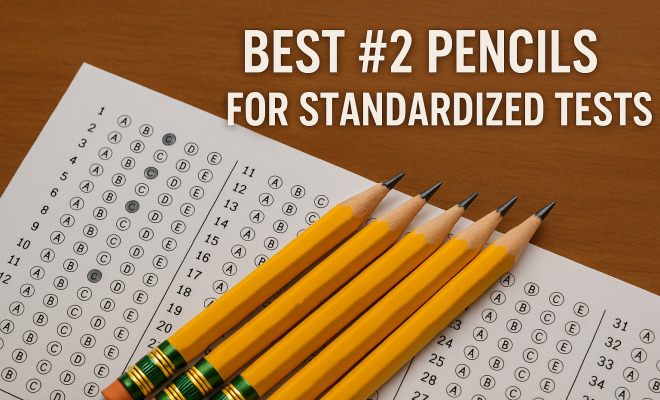
“`html
When it comes to standardized tests, every detail matters—from the way you prepare to the tools you use. One crucial tool often overlooked is the pencil. While it may seem trivial, the choice of pencil can significantly impact your test-taking experience. In this guide, we’ll explore the best pencils for standardized tests, why #2 pencils are essential, and how to select the right one for your needs.
Why #2 Pencils Are the Standard
Standardized tests such as the SAT, ACT, and various state assessments typically require #2 pencils. But what makes #2 pencils the go-to choice? The answer lies in the pencil’s graphite composition and hardness. The American National Standards Institute (ANSI) defines pencil grades based on their hardness and the proportion of clay to graphite. A #2 pencil strikes a balance between softness for easy writing and enough hardness to create a clear mark on paper.
Using a #2 pencil ensures that your answers are easily readable by optical scanning machines, which are used to grade most standardized tests. If you choose a pencil that’s too hard or too soft, you run the risk of having your answers misread or not read at all. You’ll want to avoid unnecessary headaches on test day, so sticking with the best pencils for standardized tests is crucial.
What to Look for in a Quality #2 Pencil
When selecting the best #2 pencil for standardized tests, consider several factors:
- Comfort Level: The grip and weight of the pencil can impact how comfortably you write for extended periods.
- Durability: A pencil that breaks easily can be a source of frustration during a timed test.
- Lead Quality: A smooth application of graphite is essential for a consistent mark on the answer sheet.
- Price: While you want quality, it’s also important to find an option that fits your budget.
The best pencils for standardized tests should also allow for easy sharpening and have a consistent lead performance. Let’s dive deeper into some of the top contenders.
Top #2 Pencils for Standardized Tests
The market is filled with various #2 pencils, but a few stand out for their quality and performance. Here’s a look at some of the best options.
1. Ticonderoga #2 Pencils
Often regarded as the gold standard in pencils, Ticonderoga’s #2 offerings feature a high-quality graphite core that allows for smooth writing. The ergonomic design ensures comfort during long exams, and the hexagonal shape prevents rolling off desks. Ticonderoga pencils are also known for their durability and resistance to breakage, making them a favorite among students and professionals alike.
2. Dixon #2 Pencils
Dixon’s #2 pencils come with a strong, smooth lead that provides a consistent writing experience. They are typically available in bulk, which is great for students preparing for various tests. The build quality is impressive, with a solid wood construction that resists splintering. Dixon pencils also have a comfortable grip, which is essential for long test sessions.
3. Papermate Mirado Black Warrior #2 Pencils
For those who prefer a darker line, the Papermate Mirado Black Warrior is an excellent choice. These pencils have a smooth application and a comfortable grip. The lead is designed to be break-resistant, minimizing the chances of interruptions during your exam. The aesthetic appeal of the black body adds a touch of sophistication, making these pencils a favorite among many students.
4. AmazonBasics #2 Pencils
If you’re looking for a budget-friendly option without sacrificing quality, AmazonBasics #2 pencils are worth considering. They offer a surprisingly excellent writing experience for the price. These pencils have a solid wood casing and lead that performs well on standardized tests. While they might not have the name recognition of Ticonderoga or Dixon, they provide good value for those preparing for exams.
The Importance of Lead Quality
When discussing the best pencils for standardized tests, the quality of the lead should not be underestimated. The lead’s consistency directly impacts how smoothly it writes and how well it marks the answer sheets. (See: CDC on test-taking strategies.) There’s a fuller look at test preparation strategies.
High-quality leads produce darker, more consistent marks, which is essential for ensuring that your answers are properly read by scanning machines. Poor quality leads can lead to light marks that may not be detected, causing potential loss of points. Thus, investing in pencils with superior lead quality is advisable, as it pays off during grading.
Choosing Between Mechanical and Wooden Pencils
While most standardized tests specify #2 pencils, some students prefer mechanical pencils for their convenience. Mechanical pencils can provide a consistent line without the need for sharpening. However, you should be cautious: not all mechanical pencils use #2 lead. Some may only contain softer or harder leads that could lead to issues during testing.
If you opt for a mechanical pencil, ensure that it uses #2 graphite and meets the testing requirements. Many tests explicitly state that only wooden #2 pencils are allowed, which makes it important to check the guidelines for your specific exam.
Proper Care and Maintenance of Your Pencils
No matter how high-quality your pencils are, proper care can go a long way in ensuring they perform well during testing. Here are some tips:
- Sharpen Before the Test: Ensure your pencils are sharpened to a fine point before the day of the test. A good sharpener will help maintain the lead’s integrity.
- Avoid Over-Sharpening: While a sharp point is important, over-sharpening can lead to broken leads. Manage the length of the point carefully.
- Store Properly: Keep your pencils in a case or a pouch to prevent them from rolling around and breaking.
- Have Extras: Bring several pencils to the test in case of breakage or if you need to switch frequently.
Taking these steps can significantly enhance your test-taking experience.
Common Misconceptions About Test Pencils
There’s a lot of misinformation surrounding the use of pencils for standardized tests. Here are a few common misconceptions:
- Color Matters: Some believe that the color of the pencil (yellow vs. black) affects performance. In reality, it’s the lead quality that matters most.
- Mechanical Pencils Are Acceptable: As mentioned earlier, many tests require traditional #2 wooden pencils. Always check the specific guidelines.
- More Expensive Means Better: While some premium brands provide excellent quality, there are also budget options that perform just as well.
Understanding these misconceptions can help you make an informed choice.
Expert Tips for Test Day
On test day, having the right pencil is just one part of the equation. Here are some expert tips for ensuring a smooth experience:
- Practice with Your Chosen Pencil: If you’re using a new brand or type of pencil, practice writing with it beforehand to get comfortable with how it feels.
- Check the Test Guidelines: Revisit the requirements for your specific test to ensure compliance with pencil types and other materials.
- Arrive Early: Give yourself plenty of time to settle in, sharpen your pencils, and prepare mentally before the test begins.
- Stay Calm: If a pencil breaks, don’t panic. Have a backup plan with extra pencils to ensure you’re always prepared.
Being well-prepared can help alleviate stress and let you focus on the test itself.
The Last Word on Choosing the Best Pencils for Standardized Tests
Your choice of pencil may seem small in the grand scheme of standardized testing, but it can have a significant impact on your performance. By carefully selecting the best pencils for standardized tests, considering factors like lead quality, comfort, and durability, you can put yourself in the best position to succeed. Whether you go for the classic Ticonderoga or a budget-friendly AmazonBasics pencil, just make sure it meets the requirements and feels right in your hand.
As you prepare for your next standardized test, remember: the right tools can make a difference. Don’t overlook the power of a good pencil!
Additional Considerations for Test Success
While pencils play a vital role in standardized tests, there are several other factors to consider in order to maximize your performance. Here are some additional considerations that can enhance your test day experience: (See: New York Times on standardized testing.)
Test-Taking Strategies
Having the right pencil is only one piece of the puzzle. Test-taking strategies can significantly affect your results. Here are some strategies to keep in mind:
- Read Instructions Carefully: Before starting, take a moment to read the instructions thoroughly. Misunderstanding the directions can lead to unnecessary mistakes.
- Pace Yourself: Keep an eye on the clock. Make sure to allocate your time evenly across sections to avoid rushing at the end.
- Answer What You Know First: Tackle questions you’re confident about first. This can build your momentum and save time for more challenging questions later.
- Use Process of Elimination: If you’re unsure about an answer, try to eliminate options you know are incorrect. This can improve your chances if you have to guess.
Creating a Comfortable Test Environment
Your physical and mental comfort during the test is crucial for optimal performance. Here are a few tips to create a comfortable test environment:
- Dress in Layers: Test environments can vary in temperature. Dressing in layers allows you to adjust to your comfort level.
- Bring Water and Snacks: Staying hydrated and having a light snack can keep your energy up, especially during long sessions.
- Familiarize Yourself with the Testing Location: If possible, visit the test center beforehand. Knowing where to go can reduce anxiety on test day.
Statistical Insights on Standardized Test Performance
Understanding the statistics surrounding standardized test performance can help you set realistic expectations and goals. Here are some relevant statistics:
- According to the College Board, the average SAT score for college-bound seniors in 2022 was 1050, indicating a need for adequate preparation.
- Studies show that students who consistently use high-quality materials, including pencils, tend to score higher than those who use subpar options.
- Research has shown that about 60% of students feel more confident when using tools they are familiar with, such as their preferred pencil.
- A study by ACT, Inc. revealed that students who arrive at the testing site with a prepared strategy and the right tools tend to perform 20% better than those without such preparation.
Frequently Asked Questions (FAQ)
1. Can I use a mechanical pencil for standardized tests?
It depends on the test. Most standardized tests require #2 wooden pencils, but some allow mechanical pencils if they use #2 lead. Always check the test guidelines.
2. Are there any brands of pencils I should avoid?
While everyone’s preferences vary, it’s generally advisable to avoid off-brand pencils that do not specify their lead grade. The best practice is to stick with well-known brands like Ticonderoga, Dixon, and Papermate.
3. Is it necessary to bring an eraser?
While many #2 pencils come with erasers, it’s a good idea to bring a separate eraser. It allows for cleaner corrections without smudging your answer sheet.
4. How many pencils should I bring to the test?
It’s wise to bring at least three to four pencils. This way, you’ll have backups in case one breaks or if you need to switch during the test.
5. What should I do if my pencil breaks during the test?
Stay calm! Most testing environments allow you to have extra pencils. Simply switch to another one and continue with your test.
6. Are there specific sharpening techniques I should use?
Yes! Use a quality sharpener, and avoid over-sharpening. A gentle touch will help maintain the lead without causing breakage.
7. Does pencil color affect grading?
No, the color of the pencil does not affect grading. What matters is the lead quality and ensuring it’s a #2 pencil.
8. Can I personalize my pencils?
As long as you adhere to the test guidelines, a little personalization can help you feel more comfortable. Just ensure that it doesn’t interfere with the pencil’s functionality.
Preparation Beyond Pencils
While choosing the best pencil is crucial, your overall test preparation should encompass more than just your writing tool. Here are some additional elements of preparation that can contribute to your success:
Study Materials
Having the right study materials can significantly impact your performance on standardized tests. Invest in high-quality resources like textbooks, online courses, and practice tests. Familiarize yourself with the test format and types of questions you’ll encounter. The more comfortable you are with the content, the more confident you’ll feel on test day.
Practice Tests
Simulating the test environment with practice tests can help you manage your time better and improve your test-taking skills. Set aside time to complete full-length practice exams under timed conditions. This exercise not only familiarizes you with the test format but also helps in identifying areas where you need to improve.
Mindfulness and Relaxation Techniques
Test anxiety can affect performance. Incorporating mindfulness and relaxation techniques into your study routine can help you manage stress effectively. Techniques such as deep breathing, visualization, or even short meditation sessions can enhance your focus and calm your nerves.
Resources for Further Research
Here are some additional resources you may find helpful as you prepare for your standardized tests:
- The College Board: Offers resources for SAT preparation, including practice tests and study guides.
- ACT.org: Provides official ACT prep resources, including practice questions and test-taking strategies.
- Khan Academy: A free resource offering personalized practice for SAT and ACT preparation.
- Local Libraries: Many libraries offer free access to test prep books and courses. Check with your local library for available resources.
Final Thoughts on Choosing Your Test Supplies
As you approach your standardized test, remember that the right supplies can make a difference in your performance. The best pencils for standardized tests, combined with effective preparation strategies, can set you on the path to success. Take the time to choose wisely, prepare thoroughly, and approach your test day with confidence! Your future awaits, so equip yourself with the best tools and strategies for success.
“`
Trending Now
Frequently Asked Questions
Why are #2 pencils required for standardized tests?
Standardized tests require #2 pencils because their graphite composition strikes a balance between softness and hardness, ensuring clear marks that optical scanning machines can read accurately. Using the correct pencil minimizes the risk of misread answers, which is crucial for test-taking.
What should I look for in a quality #2 pencil?
When choosing a quality #2 pencil for standardized tests, consider factors such as comfort level, durability, lead quality, and price. A comfortable grip and consistent lead performance are essential for smooth writing during timed tests.
Can I use mechanical pencils for standardized tests?
Most standardized tests specifically require #2 wooden pencils, as mechanical pencils may not produce marks that optical scanners can read accurately. It's best to stick with traditional #2 pencils to avoid any issues on test day.
What happens if I use the wrong type of pencil on a test?
Using the wrong type of pencil, such as one that is too hard or too soft, can result in your answers being misread or not read at all by optical scanning machines. This can lead to incorrect scoring and unnecessary stress during your test.
How do I choose the best pencil for long test sessions?
To choose the best pencil for long test sessions, look for one with a comfortable grip and a durable build to prevent breaking. Additionally, ensure the lead quality provides smooth application, which helps maintain focus during extended writing periods.
Agree or disagree? Drop a comment and tell us what you think.