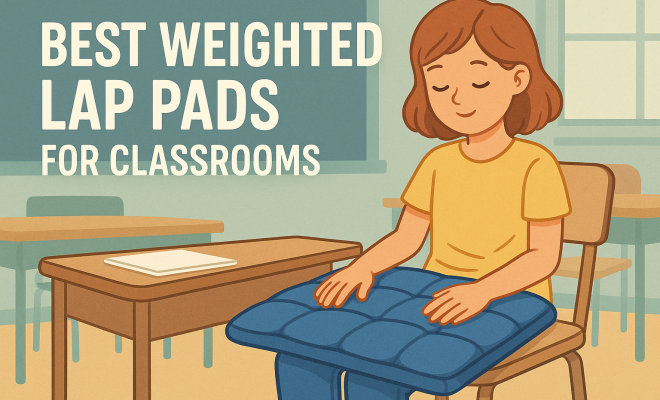
Best Weighted Lap Pads for Classrooms
“`html
Weighted lap pads are becoming a popular tool in classrooms, especially for students with sensory processing issues and attention challenges. These pads are designed to provide calming pressure, helping to increase focus and improve self-regulation among children who struggle with anxiety or hyperactivity. In this article, we will explore the best weighted lap pads for classrooms, their benefits, and how to choose the right one for your needs.
1. Understanding Weighted Lap Pads
Weighted lap pads are small, portable cushions filled with materials like plastic pellets or glass beads that add weight. Typically, these pads weigh between 2 to 5 pounds and are designed to rest comfortably on a child’s lap while they are sitting at their desk or during other activities. The added pressure can have a soothing effect, similar to a gentle hug, which can be particularly beneficial in a classroom setting.
The concept behind weighted lap pads is rooted in sensory integration therapy, which is widely used for children with autism spectrum disorder (ASD), attention deficit hyperactivity disorder (ADHD), and other sensory processing disorders. The deep pressure provided by these pads can promote a sense of security and calm, enabling children to concentrate better on their tasks.
2. The Benefits of Using Weighted Lap Pads in Classrooms
Incorporating weighted lap pads into classroom settings offers various advantages that extend beyond simple comfort. Research suggests that children with sensory processing issues often experience challenges in maintaining focus, managing anxiety, and regulating their emotions. Weighted lap pads can address these concerns effectively. Here are some key benefits:
- Improved Focus: The gentle pressure from weighted lap pads can help anchor children, making it easier for them to stay attentive during lessons and reduce distractions.
- Calmness and Stress Relief: For many students, the calming effect of weighted lap pads can reduce anxiety levels, providing a sense of security that aids in emotional regulation.
- Enhanced Learning Environment: A calmer classroom leads to a more positive learning environment, benefiting all students, not just those with specific sensory needs.
Overall, weighted lap pads can contribute to a more conducive learning atmosphere, allowing children to thrive academically and emotionally.
3. Top Features to Look for in Weighted Lap Pads
When selecting weighted lap pads for classrooms, it’s essential to consider several features to ensure you choose the right one. Here are some of the most crucial aspects to keep in mind:
- Weight: Aim for a lap pad that weighs about 10% of the child’s body weight. This ensures that the pad provides adequate pressure without being overwhelming.
- Size: Look for pads that are appropriately sized for the child’s lap. They should be large enough to provide coverage but not so big that they become cumbersome to handle.
- Material: Opt for high-quality, durable materials that can withstand daily use. Breathable fabric is a plus, as it helps keep the child comfortable.
- Washability: Since classrooms can be messy, ensure that the pads are machine washable or have removable covers for easy cleaning.
Evaluating these features can help you find a weighted lap pad that meets your classroom’s needs effectively.
4. Best Weighted Lap Pads for Classrooms
There are numerous weighted lap pads available on the market, each designed to offer unique benefits. Here are some of the best options you can consider:
1. Fun and Function Weighted Lap Pad
This lap pad is designed specifically for children with sensory needs. Weighing 3 pounds, it features a soft, plush cover that can be easily removed for cleaning. Its compact size makes it suitable for classroom use. See also creating a positive learning space.
2. Harkla Weighted Lap Pad
The Harkla lap pad weighs 5 pounds and is made from high-quality, breathable fabric. It comes with a removable cover and is designed to provide deep pressure therapy for maximum calming effect.
3. Fun and Function Super Sensory Lap Pad
This option not only provides weight but also includes various textured materials to engage children’s senses. It weighs 4 pounds and is ideal for keeping students engaged while they learn.
4. Gravity Blanket Weighted Lap Pad
Known primarily for their calming blankets, Gravity Blanket also offers a lap pad option. It weighs 4 pounds and is made from soft, breathable fabric, providing comfort and tranquility.
Each of these products has carefully considered features suited for classroom environments, making them great choices for teachers looking to support their students’ sensory needs. (See: research on sensory integration therapy.)
5. Implementing Weighted Lap Pads in Your Classroom
Once you’ve selected the right weighted lap pads for your classroom, the next step is implementation. Here are some practical strategies to ensure that these tools are used effectively:
- Introducing the Pads: Familiarize students with the pads and explain their purpose. This helps them understand how to use the pads and anticipate the calming effect they can provide.
- Creating Usage Guidelines: Set clear guidelines for when and how to use the weighted lap pads. For instance, they can be used during independent work, group activities, or when a student feels overwhelmed.
- Monitoring Effectiveness: Keep track of how students respond to the weighted lap pads. Solicit feedback from them and observe any changes in their focus and behavior.
By integrating weighted lap pads thoughtfully, teachers can create a supportive environment that enhances learning and emotional well-being.
6. Success Stories: Real-Life Applications of Weighted Lap Pads
Many educators have reported positive outcomes from using weighted lap pads in their classrooms. For instance, one elementary school teacher noted that after incorporating weighted lap pads, her students with ADHD showed a marked improvement in focus during lessons.
Another success story comes from a special education teacher who found that her students with autism were able to engage more fully in group activities when using weighted lap pads. Several of her students reported feeling calmer and more in control, which led to more productive interactions with their peers. This builds on embracing tech in education.
These anecdotes highlight the real-world impact of weighted lap pads, reinforcing their value as a tool for enhancing classroom dynamics.
7. Addressing Common Concerns about Weighted Lap Pads
While many teachers and parents advocate for the use of weighted lap pads, some may have concerns about their appropriateness and effectiveness. Here are a few common issues and how to address them:
- Are they safe? Weighted lap pads are generally safe when used correctly. However, it’s essential to ensure that the weight is appropriate for the child’s size to prevent any discomfort.
- Will they work for every child? Not every child will respond positively to weighted lap pads. It’s beneficial to monitor individual responses and consult with occupational therapists for tailored strategies.
- Can they be distracting? If a child finds the lap pad distracting, it’s important to reassess its use. Each child’s needs are different, and finding the right balance is key.
Open communication with students and other educational staff can help alleviate these concerns, ensuring that weighted lap pads serve their intended purpose.
8. Where to Buy Weighted Lap Pads
Weighted lap pads can be purchased from a variety of retailers, both online and in physical stores. It’s always a good idea to do some research before making a purchase. Here are some recommended places to find quality weighted lap pads:
- Amazon: A wide range of options are available, complete with reviews and ratings to help you make informed decisions.
- Special Needs Stores: Many specialty stores cater to sensory needs and supply high-quality weighted items.
- Educational Supply Stores: Check local stores that provide resources for teachers; they often stock weighted lap pads designed for classroom use.
Taking the time to compare products and read reviews will help ensure that you find the best weighted lap pads for your classroom needs.
9. The Future of Weighted Lap Pads in Education
The growing awareness of sensory processing issues in children is paving the way for more inclusive educational practices. As more schools recognize the benefits of weighted lap pads, they are likely to become a staple in classrooms across the country.
With a focus on mental health and emotional well-being, educators are increasingly integrating sensory tools into their teaching practices. Weighted lap pads are just one piece of a larger puzzle that includes mindfulness practices, flexible seating, and other supportive strategies aimed at helping every student succeed.
As research continues to explore the effectiveness of these tools, we can expect ongoing innovations and refinements that will improve their design and application in educational settings.
10. Comparing Weighted Lap Pads: A Detailed Analysis
When choosing the right weighted lap pad for your classroom, it’s helpful to compare the various models available. Here, we will look at factors such as price, specific features, and user reviews to help you decide which lap pad might be the best fit for your students.
For instance, the Fun and Function Weighted Lap Pad, at an average price point of around $35, is known for its soft, plush material. Users have praised it for its effectiveness, particularly for younger children who may be sensitive to textures. In contrast, the Harkla Weighted Lap Pad, priced around $60, is often highlighted for its durability and high-quality construction, making it suitable for heavier daily use.
Additionally, considering user feedback is essential. Many educators report that the textured materials of the Fun and Function Super Sensory Lap Pad engage students who might otherwise become distracted during lessons. In contrast, reviews of the Gravity Blanket Weighted Lap Pad often emphasize its popularity among older students who appreciate the calming sensation without the added sensory elements. importance of diversity in classrooms offers useful background here.
In summary, understanding the differences in specifications and user experiences can significantly influence your choice, ensuring that you select the most effective weighted lap pad for your classroom needs. (See: CDC resources on autism.)
11. Expert Opinions on Weighted Lap Pads
Experts in child psychology and occupational therapy often advocate for the use of weighted lap pads in educational settings. Dr. Sarah Roberts, a child psychologist, explains that “the use of weighted lap pads can facilitate a child’s ability to focus and engage in their learning environment. The deep pressure can have a grounding effect, helping students feel more settled and attentive.”
Occupational therapists frequently suggest that teachers incorporate weighted lap pads, particularly for students who display signs of anxiety or sensory-seeking behaviors. According to occupational therapist Emily Johnson, “These pads can serve not only as a physical tool but also as a visual cue for students to recognize when they need help with self-regulation.”
Incorporating insights from professionals can lend credibility to the use of weighted lap pads and encourage more educators to explore their potential benefits.
12. Realizing Diverse Benefits: Weighted Lap Pads for Different Learning Styles
Weighted lap pads cater to a wide array of learning styles. For kinesthetic learners, the tactile feedback from the pressure of the lap pad can enhance their focus during lessons. Similarly, visual learners may benefit from the calming colors and designs of certain weighted lap pads, which can help reduce visual distractions in their environment.
Moreover, students who require more sensory input often find that weighted lap pads provide the necessary grounding they need to remain calm and focused. They can be particularly beneficial during quiet reading sessions or tests, where concentration is crucial.
By recognizing that different students may benefit from weighted lap pads in various ways, educators can create a more inclusive atmosphere that caters to individual needs, ultimately enhancing the overall learning experience.
13. Frequently Asked Questions (FAQ)
1. What age is appropriate for using weighted lap pads?
Weighted lap pads can be suitable for children as young as 3 years old. However, it’s crucial to ensure that the weight is appropriate for the child’s size and needs. Consulting with an occupational therapist can help determine the right fit.
2. How long should a child use a weighted lap pad?
Typically, children can use weighted lap pads during specific activities, such as during lessons or quiet time. It’s best to start with short periods and gradually increase the duration based on the child’s comfort and response.
3. Can weighted lap pads be used at home?
Absolutely! Weighted lap pads can be beneficial not only in classrooms but also at home. They can assist with homework, during family movie nights, or any activity where a child might need extra comfort.
4. Are there alternatives to weighted lap pads?
Yes, there are several alternatives, including weighted blankets, sensory toys, and compression vests. Each tool serves a different purpose, so it’s essential to choose based on the specific needs of the child.
5. How do I clean weighted lap pads?
Most weighted lap pads come with removable covers that are machine washable. Always check the manufacturer’s instructions for specific cleaning guidelines to ensure longevity.
6. Can weighted lap pads help children without sensory processing issues?
Yes! Weighted lap pads can benefit any child who experiences anxiety or difficulty focusing, even if they do not have diagnosed sensory processing issues. They can promote a sense of calm and security, enhancing overall learning experiences. For more on this, see need for diversity education.
7. Are weighted lap pads cost-effective?
Weighted lap pads range in price but can be a cost-effective tool when considering their long-term benefits in improving focus and emotional regulation in students. Investing in a quality lap pad can lead to a more productive classroom environment.
8. What should I do if a child dislikes the weighted lap pad?
If a child shows resistance or discomfort with a weighted lap pad, it’s important to listen to their feedback. They may need a different weight, texture, or even a different type of sensory tool altogether. Experimenting with various options can help find the right match for their needs.
9. Are weighted lap pads beneficial in various educational settings?
Absolutely! Weighted lap pads are versatile tools that can be used in diverse educational settings, including traditional classrooms, special education environments, and even at home. They can be particularly effective in settings where students may feel overwhelmed, such as during exams or presentations.
10. How do I know if a weighted lap pad is effective for my child?
Monitoring your child’s behavior before and after using a weighted lap pad can provide insights into its effectiveness. Look for signs of increased calmness, improved focus, and enhanced participation in activities. Talking with the child about their feelings and experiences can also help determine the lap pad’s impact.
Weighted lap pads are not just a simple addition to classroom tools; they can significantly enhance students’ learning experiences. By understanding their benefits, features, and applications, teachers can effectively incorporate them into their teaching strategies, ensuring a more inclusive and supportive environment for all students.
14. Research on Weighted Lap Pads
Emerging research supports the effectiveness of weighted lap pads for improving focus and reducing anxiety in children. A study published in the “American Journal of Occupational Therapy” found that children using weighted lap pads exhibited decreased levels of anxiety during classroom activities. The study highlighted that students reported feeling more secure and were able to concentrate better on tasks when using these tools.
Another significant piece of research from the “Journal of Autism and Developmental Disorders” indicated that weighted lap pads could help children with ASD improve their self-regulation and behavior in classroom settings. The findings suggested that deep pressure input, such as that provided by weighted lap pads, significantly reduces agitation and increases the ability to engage in structured activities.
Such studies underscore the importance of integrating sensory tools like weighted lap pads into educational practices, encouraging schools to adopt multi-sensory approaches tailored to meet individual student needs.
15. Tips for Teachers: Enhancing Your Classroom with Weighted Lap Pads
Incorporating weighted lap pads into your classroom doesn’t have to be an overwhelming task. Here are some tips to enhance your students’ experiences:
- Personalize the Experience: Allow students to choose their own lap pads based on color or design preferences. This choice can increase their comfort level and willingness to use the pads.
- Collaborative Exercises: Use weighted lap pads during group activities to foster collaboration and communication. Students can take turns using the lap pads while engaging in discussions or projects.
- Feedback Loop: Set up a system for students to share their experiences with the lap pads. This could be as simple as a quick check-in after activities or a more structured feedback form.
- Professional Development: Consider seeking training or workshops on sensory integration and the use of weighted lap pads in educational settings. This can provide valuable insights and strategies for effective implementation.
By taking a thoughtful approach to incorporating weighted lap pads into daily routines, teachers can create a more inclusive atmosphere that supports students’ diverse sensory needs, ultimately enhancing their learning experiences.
“`
Trending Now
Frequently Asked Questions
What are weighted lap pads used for in classrooms?
Weighted lap pads are used in classrooms to provide calming pressure for students, particularly those with sensory processing issues or attention challenges. They help increase focus and improve self-regulation, making it easier for children to manage anxiety and hyperactivity during lessons.
How do weighted lap pads help children with ADHD?
Weighted lap pads help children with ADHD by providing deep pressure that promotes a sense of security and calm. This pressure can anchor them physically, making it easier to maintain focus and reduce distractions in a classroom setting.
What are the benefits of using weighted lap pads?
The benefits of using weighted lap pads include improved focus, reduced anxiety, and enhanced emotional regulation. They create a calming effect that helps children concentrate better on tasks and manage sensory overload in classroom environments.
What should I consider when choosing a weighted lap pad?
When choosing a weighted lap pad, consider factors such as weight (typically between 2 to 5 pounds), material used for filling, size, and comfort. It's important to select a pad that fits comfortably on the child's lap and meets their specific sensory needs.
Can weighted lap pads be used for children without sensory issues?
Yes, weighted lap pads can be beneficial for all children, not just those with sensory issues. They can help promote calmness and focus, making them a useful tool in busy classroom environments for any student needing extra support.
What did we miss? Let us know in the comments and join the conversation.