How to use compass
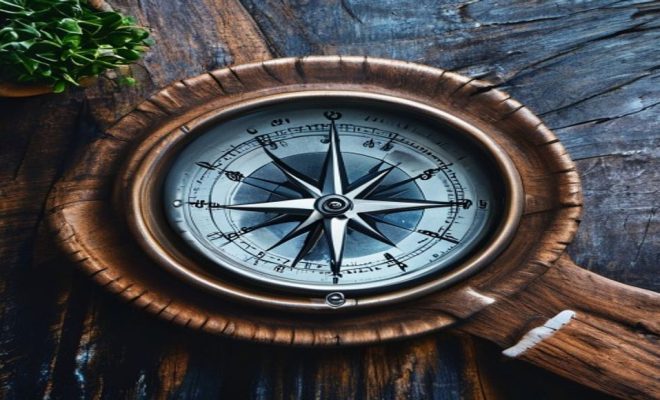
1. Understanding the Compass
A compass is a simple yet powerful tool that has been used for centuries to determine direction. At its core, it consists of a magnetized needle that aligns itself with the Earth’s magnetic field, pointing towards the magnetic north. This fundamental principle is what makes the compass an essential device for navigation in various scenarios, whether you’re hiking through the woods or exploring urban landscapes.
While modern technology, like GPS, has largely replaced traditional navigation methods for many, understanding how to use a compass remains a critical skill. It’s particularly useful in situations where electronic devices fail, whether due to battery depletion, lack of signal, or other unforeseen circumstances. In this guide, we’ll cover everything from the basic components of a compass to advanced navigation techniques, making it easier for you to confidently find your way.
2. Components of a Compass
To effectively use a compass, it’s important to familiarize yourself with its components. Generally, a compass consists of the following parts:
- Magnetic Needle: This freely rotating needle points towards magnetic north.
- Base Plate: The flat surface that houses the needle and is marked with measurement lines for precise navigation.
- Dial or Compass Rose: This circular area features markings for the cardinal directions (north, south, east, west) as well as degrees from 0° to 360°.
- Orienting Arrow: A fixed arrow located inside the compass that helps align the compass with a map.
- Declination Adjustment: Some compasses include a feature that allows users to adjust for the difference between true north and magnetic north.
Understanding these components will give you a solid foundation for learning how to use a compass. Each part plays a vital role in how the compass functions and how you interpret the information it provides.
3. Setting Up Your Compass
Before using your compass, you need to ensure it’s correctly set up for accurate navigation. Here’s a step-by-step guide:
- Select Your Compass: Different types of compasses serve various purposes. Make sure you have an orienteering compass, which typically has a flat base and is designed for land navigation.
- Check for Level Ground: Place your compass on a flat surface. If you’re holding it, keep it level to ensure the needle can move freely.
- Stabilize the Compass: Allow the needle to settle before taking any readings. It may take a few seconds for the needle to stop moving.
- Adjust for Declination: If you’re in an area where the magnetic declination is significant, adjust your compass accordingly. This adjustment will help you align the compass with true north for more accurate navigation.
By following these preparatory steps, you’ll set yourself up for success in using your compass effectively to navigate your surroundings.
4. How to Take a Bearing with a Compass
Taking a bearing is one of the primary functions of a compass, and it’s critical for navigation. Here’s how to do it:
- Identify Your Landmark: Look for a distinct feature in the landscape, such as a mountain peak or a distinctive tree.
- Point the Compass: Hold the compass flat in your hand and point the direction of travel arrow toward the landmark.
- Rotate the Compass Housing: Turn the housing until the orienting arrow aligns with the magnetic needle. This will give you the bearing in degrees.
- Read the Bearing: The number where the direction of travel arrow points to is your bearing to the landmark.
Taking a bearing allows you to communicate directions effectively and serves as a crucial skill when charting your course on a map. Accurate bearings are fundamental when traversing unfamiliar terrain.
5. Using a Compass with a Map
Combining a compass with a map enhances your navigational skills significantly. Here’s a simple method to use both:
- Align the Map: Lay your map flat and rotate it until it matches the surrounding landscape. You should position the map so that north on the map aligns with magnetic north.
- Place the Compass: Place the compass on the map with the base plate aligned with the north-south grid lines on the map.
- Take a Bearing: Use the method described above to take a bearing from your current location to your destination.
- Adjust for Declination: If needed, make sure to adjust for declination to ensure accuracy.
- Determine Your Route: Transfer the bearing onto the map to visualize your route and identify potential landmarks along the way.
Using a compass in conjunction with a map is a powerful navigational technique that not only improves accuracy but also enhances your understanding of the terrain you’re traversing. (See: Wikipedia article on compass.)
6. Navigational Techniques: Following a Bearing
Once you’ve taken a bearing and plotted your course, it’s time to navigate. Here’s how to effectively follow a bearing:
- Set the Bearing: With your compass set to the desired bearing, hold the compass flat in your hand.
- Align the Needle: Make sure the magnetic needle is aligned with the orienting arrow. Keep your compass steady and ensure it’s level.
- Move in the Direction of Travel: Follow the direction of travel arrow, keeping your eyes on a landmark in line with your bearing. This helps maintain your course.
- Regularly Check Your Bearing: Keep checking your compass as you move to ensure you’re still aligned with your bearing. Adjust as necessary.
Following a bearing requires practice and attention to detail. The more you practice this technique, the better you’ll become at navigating accurately and efficiently.
7. Handling Common Challenges
Even experienced navigators can encounter challenges when using a compass. Here are some common issues and how to handle them:
- Magnetic Interference: Metal objects, electronics, and even certain geological formations can affect compass readings. Move away from these influences to get an accurate reading.
- Declination Variance: Magnetic declination can vary significantly by location. Always check local declination maps to adjust your compass accordingly.
- Inaccurate Bearings: When taking a bearing, ensure you’re standing still and that the compass is level to avoid errors.
Being aware of these potential challenges will enhance your navigation skills. It’s essential to remain adaptable and prepared for unexpected obstacles while out in the field.
8. The Relevance of Compass Skills Today
In an age dominated by technology, you might wonder why learning how to use a compass is still relevant. Here are a few reasons:
- Natural Disasters: In situations where GPS or electronic navigation fails, knowing how to use a compass can be a lifesaver.
- Outdoor Activities: Activities like hiking, camping, and backpacking often take you into areas with limited cell service, making compass skills invaluable.
- Enhancing Situational Awareness: Using a compass encourages mindfulness and awareness of your surroundings, which can be beneficial in various aspects of life.
Incorporating compass skills into your outdoor toolkit ensures that you’re prepared, adaptable, and capable of navigating even when technology lets you down.
9. Final Thoughts on Mastering Compass Navigation
Learning how to use a compass is a rewarding skill that combines practical knowledge with an appreciation for the great outdoors. As you develop your ability to navigate using a compass, you’ll find greater confidence in your adventures, whether you’re traversing a familiar path or exploring uncharted territory. Remember, practice is key; take every opportunity to test your skills and refine your technique. So, grab your compass and get out there — the world is waiting for you to discover it!
10. Advanced Compass Techniques
Once you’re comfortable with the basics of compass navigation, you may want to explore some advanced techniques. These methods can enhance your skills and prepare you for more complex navigation scenarios.
10.1. Triangulation
Triangulation is a method used to pinpoint your location on a map by taking bearings from two or three known landmarks. Here’s how to do it:
- Choose Landmarks: Identify at least two recognizable features from your location, such as a mountain, tower, or building.
- Take Bearings: Use your compass to take bearings to each landmark.
- Plot on the Map: On your map, draw lines from the landmarks based on the bearings you took. The point where the lines intersect is your approximate location.
This technique is particularly useful in dense forests or unfamiliar terrain where visibility may be limited.
10.2. Compass Navigation in Poor Visibility
When navigating in fog, rain, or snow, visibility can be significantly reduced. Here are some tips to ensure you stay on course:
- Use Landmarks Wisely: Identify landmarks that may be harder to see in poor visibility, like the outline of hills or distinctive geological formations.
- Listen for Sounds: Natural sounds, such as running water or wind through trees, can help guide your path.
- Slow Down: Take your time and move cautiously to avoid getting disoriented.
- Check Your Compass Frequently: Regularly check your bearing and adjust as needed to stay on course.
11. Common Misconceptions About Compasses
Many people have misconceptions about how compasses work or their usefulness. Let’s clear up some common myths: (See: National Park Service guide on using a compass.)
- Myth: A compass always points to true north.
Reality: A compass points to magnetic north, which can vary from true north depending on your location. - Myth: Compasses are obsolete in the age of GPS.
Reality: Compasses are still vital in areas with no cell service or during emergencies when electronic devices fail. - Myth: You can’t use a compass in urban areas.
Reality: Compasses can be used in cities to navigate as long as you account for buildings and other obstacles that may affect your bearings.
12. Statistics on Navigational Errors
Understanding the importance of compass skills can be reinforced by examining statistics related to navigational errors:
- In a study conducted by the American Hiking Society, over 60% of hikers reported having gotten lost at least once during their outdoor activities.
- According to the National Park Service, about 29% of search and rescue missions are due to navigational errors.
- A survey by the National Outdoor Leadership School revealed that more than 75% of outdoor enthusiasts felt more secure knowing how to navigate with a compass.
These statistics indicate that compass skills play a vital role in ensuring safety and confidence while exploring the outdoors.
13. Expert Perspectives on Compass Navigation
Hearing from experts can provide valuable insights into the importance of compass navigation. Here are quotes from experienced outdoor professionals:
“Knowing how to navigate with a compass is as vital as knowing how to tie your shoelaces in the outdoors. It’s a fundamental skill that can make the difference between a great adventure and a rescue mission.” – Alex Honnold, professional rock climber.
“Compasses are like the unsung heroes of navigation. In our modern age, people often overlook them, but they are always reliable, always there when technology fails.” – Lynn Hill, renowned climber and outdoor educator.
14. FAQs About Compass Navigation
14.1. Can I use my smartphone as a compass?
While many smartphones come with compass apps, they rely on a digital compass that may not be as reliable as a physical compass in remote areas or during emergencies. It’s always a good idea to carry a traditional compass as a backup.
14.2. What is magnetic declination, and why is it important?
Magnetic declination is the angle between magnetic north and true north. It varies by location and is important to adjust your compass for accurate navigation. Failing to account for declination can lead you off course.
14.3. How often should I check my compass?
It’s a good practice to check your compass frequently while navigating, especially after moving a significant distance or changing direction. Consistent checks will help ensure you stay on track.
14.4. Are there specific compasses for different activities?
Yes, compasses can vary significantly depending on their intended use. Orienteering compasses are designed for land navigation, while marine compasses are often used for sailing. Choose the right compass for the activity you’re engaged in.
14.5. How do I clean and maintain my compass?
To keep your compass in good working condition, avoid exposing it to extreme temperatures and always store it in a protective case. Clean the exterior with a soft cloth, and check the accuracy of the needle regularly. (See: Scientific insights on compass technology.)
15. The Importance of Learning Navigation Skills
Learning how to use a compass goes beyond just knowing how to find your way; it’s about developing resilience, confidence, and a deeper connection to the natural world. The skills you acquire through compass navigation can be beneficial in various aspects of life. Here are some reasons why mastering navigation skills is essential:
- Promotes Independence: Having the ability to navigate without reliance on technology empowers you to explore more confidently and independently.
- Enhances Problem-Solving: Navigating through challenging terrain requires critical thinking and adaptability, skills that are valuable in everyday decision-making.
- Fosters a Sense of Adventure: Learning how to use a compass opens up a world of exploration, encouraging you to venture into new environments and discover uncharted territories.
- Strengthens Teamwork and Leadership: When navigating in groups, skills in compass usage can help you take turns leading while also ensuring everyone stays together and safe.
By honing these skills, you’re not just preparing for outdoor activities; you’re preparing for life’s journey in general.
16. Real-Life Scenarios Requiring a Compass
It’s easy to think that compass navigation is only necessary for hiking or wilderness survival, but there are numerous real-life scenarios where these skills can be applied. Here are a few examples:
- Search and Rescue Operations: In emergencies, rescuers may need to navigate through difficult terrain without reliable GPS signals.
- Military and Tactical Operations: Soldiers and tactical teams often rely on maps and compasses for navigation, especially in environments where technology might fail.
- Adventure Racing: Competitors in adventure races often need to be adept at using a compass to navigate through diverse terrains quickly and accurately.
- Exploring New Cities: Even in urban settings, a compass can help you navigate unfamiliar streets, especially when your phone’s battery dies.
Understanding and practicing how to use a compass prepares you not just for outdoor adventures, but also for unexpected situations that require quick navigation skills.
17. Getting Started with Compass Navigation
If you’re new to compass navigation, getting started may seem daunting, but it doesn’t have to be. Here’s a simple plan to begin building your compass skills:
- Start with Basic Understanding: Familiarize yourself with the different parts of a compass and watch some tutorial videos to see it in action.
- Practice in Your Backyard: Before heading to the wilderness, practice taking bearings and following them in a safe environment where you can easily orient yourself.
- Join a Local Hiking Group: Many outdoor clubs offer workshops and outings focused on navigation skills. Joining one can provide you with hands-on experience and support from fellow enthusiasts.
- Use a Map: Pair your compass with a local topographic map to gain experience in plotting routes and understanding terrain features.
- Set Goals: Start with small goals, such as finding certain landmarks or navigating to a specific spot, gradually increasing the complexity of your navigation challenges.
With time and practice, you’ll find navigating with a compass becomes second nature, allowing you to explore with confidence and skill.
18. Conclusion
Mastering how to use a compass is not just about finding your way; it’s about building confidence and resilience in navigating the world around you. Whether you’re a seasoned adventurer or just starting out, incorporating compass skills into your toolkit is invaluable. By combining the techniques outlined in this guide with practice and patience, you’ll be well on your way to becoming an adept navigator, ready to tackle any terrain that comes your way. So, step outside and embrace the adventure — the world is yours to explore!
Trending Now
Frequently Asked Questions
How do you read a compass?
To read a compass, first hold it flat and level. The magnetic needle will align itself with the Earth's magnetic field, pointing towards magnetic north. Rotate the compass housing until the orienting arrow aligns with the needle. The direction you want to go will be indicated on the dial, allowing you to navigate accurately.
What are the main parts of a compass?
A compass typically consists of several key components: a magnetic needle, a base plate, a dial or compass rose, an orienting arrow, and sometimes a declination adjustment feature. Understanding these parts is essential for effective navigation and using the compass correctly.
Why is it important to know how to use a compass?
Knowing how to use a compass is crucial for navigation, especially in situations where electronic devices like GPS may fail. It provides a reliable method to determine direction, ensuring safety while hiking, exploring, or in emergency situations.
How do you set up a compass before use?
Before using a compass, ensure it is level and not affected by nearby metal objects. Familiarize yourself with the components, check that the magnetic needle is free to move, and make any necessary declination adjustments for accurate readings based on your location.
Can a compass work without GPS?
Yes, a compass can work without GPS. It is a fundamental navigation tool that relies on the Earth's magnetic field, making it useful in areas where GPS signals are weak or unavailable, such as remote wilderness or urban environments.
What's your take on this? Share your thoughts in the comments below — we read every one.