How to check transmission fluid
“`html
Transmission fluid is a vital component in the operation of your vehicle. It ensures smooth gear changes and keeps the transmission system running smoothly. Knowing how to check transmission fluid is an essential skill for any car owner. This guide will walk you through the process, its importance, and tips for maintaining your transmission fluid.
1. Understanding Transmission Fluid
Transmission fluid serves multiple purposes in your vehicle. Not only does it lubricate the moving parts within the transmission, but it also cools the system and facilitates smooth gear shifting. The fluid acts as a hydraulic medium, transferring force from the engine to the wheels. Over time, the fluid can degrade due to heat and contaminants, making regular checks essential.
There are various types of transmission fluids available, including automatic transmission fluid (ATF) and manual transmission fluid. Each type is specifically formulated to meet the needs of a particular transmission type, so it’s crucial to know which one your vehicle requires. Typically, manufacturers recommend certain fluids, which can be found in your owner’s manual.
To further understand the types, ATF is often colored red or green and is designed for automatic transmissions. It contains additives that prevent foaming and corrosion, essential for the longevity of the transmission system. Manual transmission fluid, on the other hand, is usually thicker and less refined, often resembling engine oil. Some vehicles may also use synthetic transmission fluid, which provides superior performance and longevity but tends to be more expensive.
2. Why Checking Transmission Fluid Is Essential
Many car owners neglect to check their transmission fluid regularly, but doing so is critical. Low fluid levels can lead to erratic shifting, overheating, and even complete transmission failure. A simple check can prevent costly repairs down the line.
According to the Automotive Service Association, nearly 70% of all transmission failures are due to a lack of fluid. This statistic underscores the importance of routine maintenance. Furthermore, most manufacturers suggest checking the transmission fluid every 30,000 to 60,000 miles, but environmental conditions and driving habits may necessitate more frequent checks.
Research has shown that vehicles that regularly check and maintain their transmission fluid can save up to 50% on costly repairs related to transmission issues. This highlights not only the financial benefits but also the peace of mind that comes with knowing your vehicle is in good condition.
3. When to Check Your Transmission Fluid
Timing plays a crucial role in how to check transmission fluid effectively. The best time to check your fluid is when the transmission is warm, typically after driving for approximately 20 minutes. Warm fluid expands, making it easier to get an accurate reading. Additionally, checking the fluid after a long drive allows you to observe the fluid’s condition and level accurately.
Signs that indicate you should check your transmission fluid include difficulty in shifting gears, a burning smell, or unusual noises coming from the transmission. If you notice these symptoms, it’s wise to check the fluid levels immediately.
It’s also helpful to incorporate a routine check into your vehicle maintenance schedule. A good practice is to check your transmission fluid whenever you get an oil change. This way, you’ll never overlook it, and it becomes a standard part of your vehicle care routine.
4. How to Check Transmission Fluid: Step-by-Step
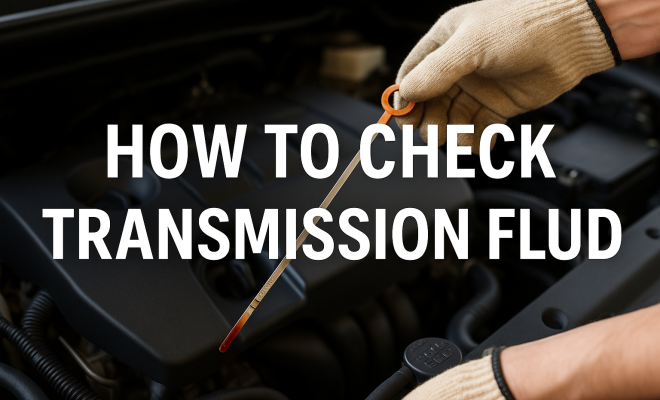
Now that you understand the importance of transmission fluid, let’s get into the practical aspect of how to check transmission fluid. Here’s a simple step-by-step guide: (See: Transmission fluid overview on Wikipedia.)
- Gather Your Tools: You’ll need a clean cloth or rag and, in some cases, a funnel to add fluid if needed.
- Locate the Dipstick: For most automatic transmissions, there’s a dipstick located near the engine. It often has a brightly colored handle, usually yellow or red.
- Check the Fluid Level: With the engine running and the transmission warmed up, remove the dipstick, wipe it clean, and then reinsert it. Remove it again to check the fluid level; it should be within the marked range.
- Assess Fluid Condition: The fluid should be a bright red color and have a slightly sweet smell. Dark brown or black fluid indicates contamination, while a burnt smell signifies overheating.
- Add Fluid If Necessary: If the fluid is low, use a funnel to add the appropriate type of transmission fluid until it reaches the correct level.
Always refer to your vehicle’s owner’s manual for specific instructions related to your make and model.
Additionally, if you’re unsure about how to interpret the fluid’s condition, consider taking a sample of the fluid to a professional for analysis. They can provide insights into whether it needs to be replaced and if there are underlying issues needing attention.
5. Common Mistakes When Checking Transmission Fluid
Many vehicle owners make mistakes when checking their transmission fluid, which can lead to inaccurate readings or potential damage. Here are some common pitfalls to avoid:
- Checking Fluid When Cold: As mentioned earlier, checking fluid when it’s cold can result in a misleading reading.
- Not Wiping the Dipstick: Failing to wipe the dipstick before reinserting it can lead to inaccurate fluid level readings.
- Using the Wrong Fluid: Always ensure you’re using the correct type of transmission fluid. Refer to the vehicle’s manual for specifications.
- Ignoring Fluid Condition: Don’t just check levels; also pay attention to the fluid’s color and smell, as these factors indicate its health.
- Overfilling the Fluid: Adding too much transmission fluid can be just as harmful as having too little. It can cause foaming and lead to erratic shifting.
By avoiding these mistakes, you can ensure a more accurate and effective process when you check transmission fluid. Remember, it’s all about regular maintenance and awareness of your vehicle’s needs.
6. How to Change Transmission Fluid
While checking fluid levels is essential, knowing how to change transmission fluid is equally important. Over time, the fluid can become contaminated, making it necessary to replace it. Here’s a basic overview of how to change transmission fluid:
- Lift the Vehicle: Use jack stands to safely lift the vehicle.
- Drain the Old Fluid: Locate the transmission pan and use a wrench to remove the drain plug, allowing the old fluid to drain into a container.
- Replace the Filter: If your transmission has a filter, replace it according to manufacturer specifications.
- Refill with New Fluid: Use a funnel to add the new transmission fluid through the dipstick tube, filling it to the recommended level.
- Check for Leaks: Start the engine and check for leaks around the transmission pan.
Changing the transmission fluid typically should be done every 30,000 to 60,000 miles, depending on the vehicle and driving conditions. Always check your owner’s manual for the recommended intervals.
Many people may wonder if they can perform this task themselves. While it is possible for some, it requires a certain level of mechanical knowledge. If you’re unsure, it may be worth the investment to have a professional handle it. This ensures that everything is done correctly and safely.
7. Signs of Transmission Problems
Recognizing the signs of transmission problems early can save you from costly repairs. Here are some red flags to watch out for:
- Slipping Gears: If your vehicle unexpectedly changes gears or struggles to stay in gear, it’s a sign of potential transmission issues.
- Unusual Noises: Grinding, whining, or clunking sounds could indicate mechanical problems within the transmission.
- Fluid Leaks: If you notice red or brown fluid under your vehicle, it could be a sign of a transmission fluid leak.
- Warning Lights: Pay attention to any warning lights on your dashboard, particularly those related to the transmission.
Early intervention can often prevent severe transmission damage, so if you notice any of these symptoms, it’s wise to consult a mechanic.
In addition to these signs, consider keeping a journal of your vehicle’s performance. Document any changes you notice over time, including how the vehicle handles or any irregular sounds. This information can be invaluable when discussing potential issues with a mechanic.
8. Professional Help vs. DIY
While many car owners prefer to check and maintain their own transmission fluid, there are instances when it’s best to seek professional help. If you’re uncomfortable performing any step of the process or have noticed alarming symptoms, a qualified mechanic can provide a thorough inspection and address any issues that may arise.
On the other hand, learning how to check transmission fluid yourself can save you time and money. It empowers you to stay on top of your vehicle’s maintenance and ensures that you’re aware of its condition. With some practice, you can easily manage this task.
One benefit of professional help is the access to advanced diagnostic tools that most DIYers don’t have. Mechanics can run tests to check the condition of the transmission that go beyond a simple fluid check. These tools can provide detailed insights into the internal workings of your transmission, potentially catching issues before they escalate. (See: NHTSA on vehicle transmission fluid.)
9. Cost of Transmission Maintenance
Understanding the cost associated with transmission maintenance can help you budget accordingly. The price of checking and changing transmission fluid can vary based on several factors, including your vehicle type and whether you perform the maintenance yourself or hire a professional.
If you decide to do it yourself, the cost of transmission fluid typically ranges from $20 to $100, depending on the type of fluid required. You may also need to purchase a filter if your vehicle’s transmission requires one, which can add another $15 to $50 to your costs.
If you opt for professional services, expect to pay anywhere from $100 to $250 for a transmission fluid change, depending on the labor rates in your area and the complexity of your vehicle’s transmission system. Regular maintenance can significantly reduce the risk of costly repairs down the line, so it’s often worth the investment.
10. Frequently Asked Questions (FAQ)
1. How often should I check my transmission fluid?
It’s generally recommended to check your transmission fluid every 30,000 to 60,000 miles. However, check it more frequently if you notice any signs of trouble.
2. What color should transmission fluid be?
Healthy transmission fluid is typically a bright red color. If it appears dark brown or has a burnt smell, it’s time for a change.
3. What happens if I run low on transmission fluid?
Running low on transmission fluid can cause serious damage to your transmission, leading to overheating, erratic shifting, and potentially complete failure.
4. Can I mix different types of transmission fluid?
Mixing different types of transmission fluid is not recommended. Always use the type specified in your owner’s manual to ensure optimal performance.
5. What should I do if my transmission fluid is low?
If your transmission fluid is low, add the correct type of fluid through the dipstick tube. If the fluid level drops frequently, consult a mechanic to check for leaks.
6. Is it necessary to change transmission fluid?
Yes, changing transmission fluid is necessary to prevent contamination and maintain the health of your transmission. Regular changes ensure optimal performance.
11. The Bottom Line: Maintenance Matters
In summary, understanding how to check transmission fluid is integral to maintaining your vehicle’s health. Regular checks can prevent severe issues, ensuring a longer lifespan for your transmission. Whether you opt for a DIY approach or seek professional guidance, staying informed about your vehicle’s transmission fluid is a proactive step toward reliable car ownership.
Remember, transmission fluid is not just a simple fluid; it’s your vehicle’s lifeblood. Regular maintenance ensures that your car runs smoothly and efficiently. So, take the time to check your transmission fluid, and you’ll be rewarded with a safer, more reliable driving experience. (See: CDC guidelines on fluid maintenance.)
12. Advanced Insights into Transmission Fluid
Transmission fluid is more than just a lubricant; it plays a critical role in your vehicle’s overall performance. One of the less discussed aspects is its impact on fuel efficiency. Studies have shown that maintaining proper transmission fluid levels can enhance fuel economy as the transmission operates more efficiently, reducing engine load and improving torque transfer.
Additionally, the fluid’s viscosity is crucial. Viscosity affects how well the fluid can lubricate and protect the transmission components. This means that using the correct type and grade of transmission fluid is essential for performance and reliability. Manufacturers often specify a particular viscosity grade (e.g., 5W-30) for optimal performance, which should be adhered to closely.
Another point worth mentioning is the environmental aspect of transmission fluid. Proper disposal of used transmission fluid is vital. It is classified as hazardous waste, and improper disposal can lead to environmental pollution. Many auto parts stores and service stations offer recycling programs. This not only helps the environment but also encourages responsible car ownership.
13. Transmission Fluid and the Modern Vehicle
Modern vehicles are increasingly equipped with high-tech transmission systems that can be more sensitive to fluid conditions than older models. For instance, continuously variable transmissions (CVTs) and dual-clutch transmissions (DCTs) require specific types of fluids that differ from traditional automatic fluids. These modern systems operate on tighter tolerances, meaning that fluid quality and proper maintenance are even more crucial.
In addition to fluid type, the introduction of transmission fluid additives plays a significant role in performance. Many manufacturers now include specialized additives designed to enhance fluid properties, such as anti-wear agents, detergents, and friction modifiers, which can further improve shifting performance and extend fluid life. Knowing how to check transmission fluid also means understanding these additives and how they affect performance.
14. Monitoring Fluid Levels and Performance
Regularly monitoring your transmission fluid levels is part of proactive vehicle maintenance. If you find that you need to add fluid frequently, this could indicate a leak or a more serious issue within the transmission system. Being attentive to these changes can save you from more extensive damage and expensive repairs down the road.
Consider investing in a transmission fluid analysis kit. These kits offer insights into the fluid’s quality and can reveal contaminants that may not be visible to the naked eye. By analyzing your transmission fluid, you can catch problems early and address them before they escalate.
15. Conclusion: Empowering Yourself Through Knowledge
Being knowledgeable about how to check transmission fluid and understanding its significance empowers you as a vehicle owner. Not only does it help in maintaining a smooth-running car, but it also saves money and fosters a sense of responsibility towards your vehicle’s maintenance. Whether you’re a seasoned mechanic or a novice car owner, knowing how to keep your transmission fluid in top condition is fundamental. Take the initiative, stay informed, and your vehicle will thank you for it in the long run.
“`
Trending Now
Frequently Asked Questions
How do I know if my transmission fluid is low?
You can check your transmission fluid level using the dipstick located under the hood of your vehicle. With the engine running and the vehicle in park, pull out the dipstick, wipe it clean, and reinsert it. Remove it again to check the fluid level against the markings. If it's below the recommended level, it may be time to add more fluid.
What color should transmission fluid be?
Transmission fluid is typically red or green for automatic transmissions, indicating it's in good condition. If the fluid appears brown or has a burnt smell, it may be old or contaminated, suggesting that it needs to be changed.
How often should I check my transmission fluid?
It is recommended to check your transmission fluid at least once a month, or more frequently if you notice issues like slipping gears or unusual noises. Regular checks help ensure optimal performance and can prevent major transmission problems.
What are the signs of bad transmission fluid?
Signs of bad transmission fluid include a burnt smell, dark coloration, or the presence of particles or sludge. Additionally, if you experience slipping gears, erratic shifting, or overheating, it may indicate that the fluid needs to be changed.
Can I use any transmission fluid in my car?
No, not all transmission fluids are the same. It's crucial to use the type specified in your owner's manual, whether it's automatic transmission fluid (ATF) or manual transmission fluid. Using the wrong type can lead to transmission damage.
Agree or disagree? Drop a comment and tell us what you think.