Stop Dog Shedding: Essential Tips for a Cleaner Home
“`html
For many dog owners, the struggle to manage shedding can feel like an endless battle. While some breeds are notorious for their hair loss, even the most non-shedding dogs can leave behind a trail of fur that can be challenging to keep in check. If you’ve ever wondered how to stop dog shedding, you’re not alone. This comprehensive guide explores effective strategies that can help minimize your furry friend’s shedding, making your home cleaner and your bond with your pet stronger.
1. Understanding Shedding: Why Do Dogs Shed?
Before you can effectively tackle shedding, it’s crucial to understand why it happens in the first place. Shedding is a natural process for dogs, allowing them to get rid of old or damaged hair. Factors influencing this process include breed, seasonal changes, health, and even stress. Different breeds have varying shedding patterns; for instance, Huskies and Golden Retrievers are known for their heavy shedding, especially during seasonal changes.
In addition to natural shedding, environmental factors can also play a role. Changes in temperature, humidity, and even light can trigger your dog’s coat to adjust accordingly. Pay attention to your dog’s shedding patterns and note if there are any sudden changes which could indicate an underlying health issue, such as allergies or skin conditions.
2. Regular Grooming: A Key Component
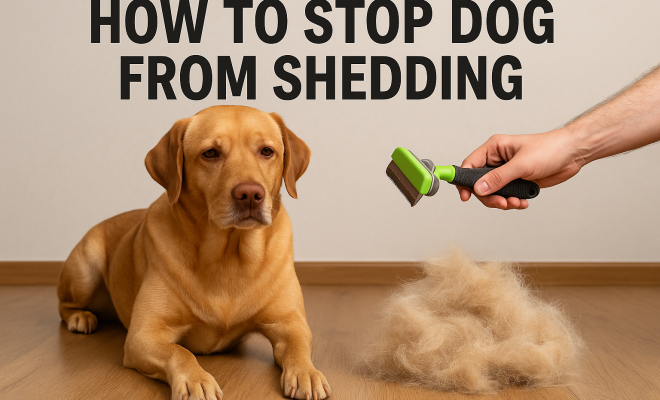
One of the most effective ways to stop dog shedding is through regular grooming. Brushing your dog’s coat not only removes loose hair but also helps distribute natural oils, promoting a healthy coat. Aim to brush your dog at least once a week, but for high-shedding breeds, daily brushing is often necessary.
Invest in quality grooming tools suitable for your dog’s coat type. For example, slicker brushes and de-shedding tools work wonders for long-haired breeds, while bristle brushes are better for short-haired dogs. Regular grooming sessions also serve as an excellent opportunity for you to bond with your pet and check for any skin irritations or parasites.
3. Proper Nutrition: Fueling a Healthy Coat
Diet plays a pivotal role in your dog’s overall health, including the condition of their coat. To stop dog shedding, consider feeding your pet high-quality dog food that contains essential fatty acids, vitamins, and minerals. Ingredients like omega-3 and omega-6 fatty acids can promote a shiny, healthy coat and reduce shedding.
Consult your veterinarian for dietary recommendations, especially if your dog has special health needs. They may suggest supplements, like fish oil or flaxseed oil, to enhance your dog’s coat health. A well-balanced diet not only helps in minimizing shedding but also contributes to your dog’s overall well-being.
4. Hydration: Keeping Your Dog Well-Watered
Just like humans, dogs need to stay hydrated to maintain healthy skin and fur. Dehydration can lead to dry skin, which can, in turn, exacerbate shedding. Ensure that your dog has access to fresh water at all times. You might also consider adding water-rich foods to their diet, such as wet dog food or fresh vegetables.
Monitor your dog’s water intake, especially during hot weather or after exercise. If you notice signs of dehydration, such as lethargy or dry gums, consult your veterinarian immediately. Keeping your dog hydrated is an essential part of preventing excessive shedding.
5. Controlling Allergies: Identify and Eliminate Triggers
Allergies can significantly impact your dog’s skin health, leading to increased shedding. Common allergens include dust mites, pollen, mold, and certain food ingredients. If you suspect that allergies might be contributing to your dog’s shedding, consult with your veterinarian to conduct allergy tests.
Once you’ve identified specific allergens, you can take steps to minimize your dog’s exposure. This may include hypoallergenic bedding, regular cleaning to reduce dust and allergens in your home, and possibly allergy medications prescribed by your vet. Addressing allergies not only helps to reduce shedding but also improves your dog’s overall quality of life. (See: Health benefits of owning dogs.)
6. Regular Vet Check-ups: Monitoring Health
Sometimes, excessive shedding can be a sign of underlying health issues, including hormonal imbalances or skin infections. Regular check-ups with your veterinarian can help identify any potential problems before they escalate. During these visits, your vet can assess your dog’s overall health and suggest appropriate treatments or lifestyle changes.
Keep a close eye on any changes in your dog’s shedding patterns, such as sudden increases or changes in the texture of the coat. If you notice any unusual symptoms, don’t hesitate to reach out to your vet. Early intervention can make a significant difference in your dog’s health and, consequently, their shedding.
7. Stress Management: Creating a Calm Environment
Like humans, dogs can experience stress, which may lead to excessive shedding. Stressors can include changes in their environment, loud noises, or even separation anxiety. To stop dog shedding related to stress, create a calm and secure atmosphere for your pet.
Consider providing a safe space for your dog where they can retreat when feeling anxious. Regular exercise also helps reduce stress by releasing endorphins. Engaging in daily walks, play sessions, or puzzle games can keep your dog physically and mentally stimulated, which can help alleviate stress and minimize shedding.
8. Bathing: Finding the Right Balance
Bathing your dog can be an effective strategy to control shedding, but it’s essential to strike the right balance. Over-bathing can strip natural oils from your dog’s skin, leading to dryness and more shedding. Aim to bathe your dog every 4-6 weeks, using a gentle dog shampoo designed for their specific coat type.
During bath time, consider using a de-shedding shampoo to help loosen and remove excess fur. Always follow up with a conditioner to keep your dog’s coat hydrated. Regular baths not only help with shedding but also keep your dog smelling fresh and clean.
9. Using Tools and Products: A Helping Hand
In addition to grooming tools, various products on the market can assist in managing shedding. De-shedding tools, like rubber grooming mitts and specialized combs, can effectively remove loose hair. There are also anti-shedding sprays that can help condition your dog’s coat.
Before using any new product, make sure it’s safe and appropriate for your dog’s breed and coat type. Always consult your veterinarian or a professional groomer for recommendations tailored to your dog’s specific needs. These tools and products can complement your existing grooming routine, making it easier to keep shedding under control.
10. Seasonal Shedding: What to Expect
Many dog owners notice an increase in shedding during specific seasons, particularly in spring and fall. This phenomenon is known as seasonal shedding and is influenced by changes in daylight and temperature. During these times, dogs naturally shed their winter coats to prepare for warmer weather, or vice versa, depending on the season.
Understanding this cycle can help you be better prepared. During peak shedding seasons, you might need to increase your grooming sessions, use de-shedding tools more frequently, and stay vigilant about your dog’s diet and hydration. Some dog owners even set reminders in their calendars to ensure they’re ready for these seasonal shifts.
11. Understanding Different Coat Types
Not all dog coats are created equal, and the type of coat your dog has can significantly influence shedding patterns. For example, double-coated breeds, like the German Shepherd or Alaskan Malamute, tend to shed more than single-coated breeds, such as the Dachshund or Boxer. Knowing your dog’s specific coat type can help you tailor your grooming routine.
Double-coated dogs require regular brushing to remove the undercoat, especially during shedding seasons, while single-coated dogs might only need occasional grooming. Additionally, dogs with curly or wavy coats, like Poodles, may require professional grooming to prevent matting and excessive shedding.
12. Behavioral Factors Affecting Shedding
Sometimes, shedding can be exacerbated by behavioral issues. For instance, dogs that are overly anxious or fearful may shed more than those who are calm and relaxed. Training and socialization can play a significant role in reducing fear-based shedding. Positive reinforcement methods can help your dog become more comfortable in various situations, ultimately leading to less stress and reduced shedding. (See: What you need to know about dog shedding.)
Engaging in activities that promote a sense of security, such as obedience training or group play sessions, can help your dog feel more confident and less anxious. This approach not only enhances the quality of life for your dog but also helps to manage shedding effectively.
13. Choosing the Right Environment for Your Dog
The environment in which your dog lives can also impact their shedding. If your dog’s living space is filled with allergens or irritants, you may notice increased shedding. Regular cleaning of your home can help minimize dust, dander, and other potential allergens. Consider using air purifiers and keeping windows closed during high pollen seasons to create a more comfortable environment for your dog.
Additionally, making sure that your dog has a cozy, clean sleeping area can contribute to their overall health and reduce shedding. A comfortable bed can help your dog feel secure and relaxed, which can positively impact their coat and skin health.
14. Frequently Asked Questions About Dog Shedding
Q: How can I tell if my dog’s shedding is normal?
A: Normal shedding usually entails a consistent amount of fur coming out over time. If you notice a sudden increase in shedding, bald patches, or changes in the texture of your dog’s coat, consult your vet.
Q: Are there specific dog breeds that shed less?
A: Yes, breeds such as Poodles, Bichon Frises, and Shih Tzus are known for shedding less than others. These breeds often have hair rather than fur, which can contribute to less shedding.
Q: Can stress really cause my dog to shed more?
A: Absolutely. Just like humans, dogs can shed more when they are stressed. Identifying and alleviating the source of stress can help reduce shedding.
Q: What is the best brush for my dog’s coat type?
A: The best brush depends on your dog’s coat. For long-haired dogs, slicker brushes work well, while short-haired breeds benefit from bristle brushes. Always choose grooming tools based on your dog’s specific needs.
Q: Is there a way to stop shedding completely?
A: While you can’t stop shedding entirely, following a consistent grooming routine, maintaining a proper diet, and addressing any health issues can significantly reduce shedding in your dog.
15. Advanced Grooming Techniques
If you’re serious about managing shedding, consider incorporating advanced grooming techniques into your routine. Techniques such as “hand-stripping” can be particularly beneficial for certain breeds. Hand-stripping involves plucking the loose topcoat to encourage healthy hair growth and minimize shedding. This method is especially useful for terriers and some double-coated breeds.
Another method is the “blow-out,” which is often utilized in professional grooming salons. This technique involves using a high-velocity dryer that blows out loose hair from the undercoat. Investing in a professional grooming session occasionally can also help keep your dog’s coat under control, especially during peak shedding seasons.
16. Homemade Remedies and Natural Products
Many dog owners prefer natural remedies and DIY solutions to help stop dog shedding. You can create a homemade de-shedding spray using ingredients like aloe vera and coconut oil, which can help moisturize the skin and fur. Simply mix equal parts of aloe vera gel and coconut oil, apply it to your dog’s coat during grooming, and watch how it helps reduce loose fur while adding shine.
Another option is to incorporate natural supplements into your dog’s diet. For instance, adding pumpkin puree (not the spiced pie filling) can be beneficial. It’s high in fiber and can promote healthy digestion, which in turn can enhance coat health. Always consult your vet before introducing new foods or supplements to ensure they are suitable for your dog.
17. Comparing Professional Grooming Services
If you find that managing shedding on your own is proving challenging, it might be worth considering professional grooming services. Different grooming salons offer various packages that can include everything from baths and haircuts to de-shedding treatments.
When comparing services, look for groomers who specialize in your dog’s breed and coat type. Some groomers even offer “de-shedding specials” during peak shedding seasons. Ask for recommendations from friends or your vet, and don’t hesitate to visit the grooming salon beforehand to ensure it meets your standards for hygiene and care.
18. Staying Informed: Following Trends and Research
Keeping up with the latest trends in pet care can also offer new insights into managing shedding. Follow reputable pet health blogs, attend local pet expos, or join dog owner communities online. These platforms often share recent studies, innovations in dog nutrition, and grooming techniques that can be tremendously beneficial.
Moreover, staying connected with pet professionals, including veterinarians, trainers, and groomers, can give you access to tailored advice specific to your dog’s needs. They can provide updates on any seasonal allergies or health concerns that might affect your dog’s shedding that you might not be aware of.
19. Final Thoughts on Managing Shedding
Shedding can be a frustrating aspect of dog ownership, but with the right knowledge and strategies, it’s manageable. By understanding the factors that contribute to shedding, following a consistent grooming routine, and addressing any health concerns, you can keep your furry friend’s shedding at bay. Remember that every dog is unique, and what works for one may not work for another. Observing your dog’s individual needs and responses to changes in diet, grooming, and environment will guide you toward a shedding strategy that works best.
In summary, while shedding is a natural part of dog ownership, it doesn’t have to be overwhelming. By understanding the causes of shedding and implementing these strategies, you can significantly reduce the amount of fur in your home and improve the overall health of your dog. Remember, consistency is key, and with a committed approach, you’ll soon find that managing shedding becomes a much simpler task.
“`
Trending Now
Frequently Asked Questions
Why do dogs shed?
Dogs shed as a natural process to remove old or damaged hair. Factors such as breed, seasonal changes, health, and stress influence shedding patterns. Different breeds have varying shedding rates, with some breeds like Huskies and Golden Retrievers shedding more heavily during specific seasons.
How can I reduce my dog's shedding?
To reduce shedding, regular grooming is essential. Brushing your dog's coat removes loose hair and distributes natural oils, promoting a healthy coat. Aim to brush your dog at least once a week, or daily for high-shedding breeds, using appropriate grooming tools for their coat type.
What is the best way to groom a shedding dog?
The best way to groom a shedding dog is to use quality grooming tools suited for their coat type. Slicker brushes and de-shedding tools work well for long-haired breeds, while bristle brushes are ideal for short-haired dogs. Regular grooming helps manage shedding effectively.
Does diet affect dog shedding?
Yes, a dog's diet can affect shedding. A balanced diet rich in essential fatty acids promotes a healthy coat and reduces excessive shedding. Ensure your dog receives high-quality food and consult with a veterinarian for dietary recommendations tailored to your dog's needs.
When is the worst shedding season for dogs?
The worst shedding season for dogs typically occurs during spring and fall when they transition between their winter and summer coats. During these times, you may notice increased shedding, especially in breeds that shed heavily. Regular grooming can help manage this seasonal shedding.
Have you experienced this yourself? We’d love to hear your story in the comments.