Real Estate Agents: Embrace Tech or Risk Obsolescence
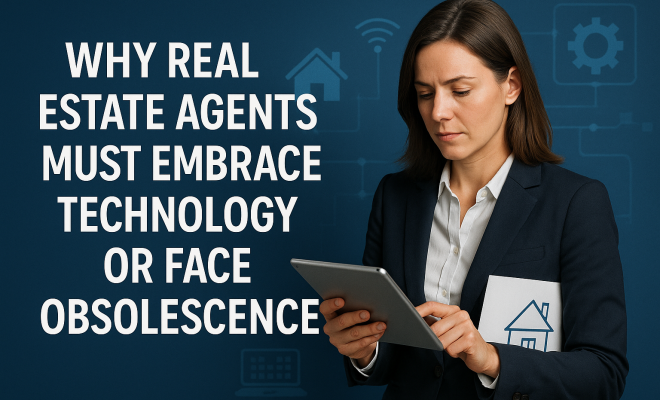
The real estate landscape is rapidly changing, and a recent viral Instagram reel is bringing attention to a startling truth: real estate is becoming a technology business. This shift is triggering anxiety and a sense of urgency among agents who have long viewed competition as their biggest threat. However, the harsh reality is that AI and automation are fundamentally reshaping the infrastructure of the real estate market, making it imperative for agents to adapt or risk becoming obsolete.
1. The New Power Brokers: Data Distribution
In the past, the role of a real estate agent was rooted in personal relationships and local market knowledge. However, as companies that control data distribution gain influence, the very foundation of this profession is at risk. These tech giants, utilizing advanced algorithms and AI, streamline the process of buying and selling real estate. This centralization of data means that agents who rely on traditional methods face increasing pressure.
The viral Instagram reel highlights the anxiety felt by many agents as they come to terms with this shift. They realize that the expertise they bring to the table may not hold the same value in a world where automated systems can quickly process data and offer insights that were once the domain of trained professionals. Understanding how to leverage real estate technology is no longer optional; it’s a necessity for survival.
2. The Rise of AI and Automation
Artificial intelligence is revolutionizing various sectors, and real estate is no exception. With chatbots and automated systems taking over customer service, lead generation, and even property valuation, agents must rethink their strategies. The traditional agent’s role is evolving into one that requires tech-savviness to remain relevant. Agents must not only understand how to use these tools but also how to incorporate them into their everyday processes.
For instance, AI-driven platforms can analyze market trends in seconds and predict price fluctuations. Agents who ignore these advancements may find themselves at a significant disadvantage. Embracing real estate technology offers agents the opportunity to enhance their services and make informed decisions quickly, thereby improving their competitive edge.
3. Adapting to Change: The Skills Needed
With technology taking center stage, successful real estate agents will need to cultivate a new set of skills. Understanding data analytics, becoming proficient with customer relationship management (CRM) software, and knowing how to use social media for branding and engagement are essential in today’s market. This shift means that agents who once relied solely on personal networking must now also build a strong online presence.
Furthermore, agents should consider investing in ongoing education and training focused on real estate technology. This could mean attending workshops, enrolling in courses, or even seeking mentorship from tech-savvy peers. By doing so, they can stay ahead of the curve and enhance their capabilities, ensuring they can offer clients the latest tools and insights.
4. The Fear of Missing Out (FOMO)
The Instagram video has sparked widespread discussion among real estate professionals, largely due to the fear of missing out (FOMO) that accompanies the rapid pace of technological change. As agents see competitors adopting new technologies, the urgency to adapt grows stronger. FOMO creates a cycle of anxiety and action, pushing many to seek out the latest trends in real estate technology to avoid being left behind.
This phenomenon isn’t just about keeping up with competitors; it reflects a broader concern regarding job security in an industry increasingly dominated by tech. Agents must recognize that, while the arrival of real estate technology might seem threatening, it can also provide opportunities for those willing to pivot and innovate.
5. Centralized Real Estate Platforms
As technology advances, centralized real estate platforms are becoming the norm. These platforms aggregate listing information, offer virtual tours, and provide client management tools all in one place. This convenience is appealing to consumers, who now expect seamless experiences from their agents. Therefore, agents who do not leverage these platforms risk alienating potential clients.
Moreover, these centralized platforms often use sophisticated algorithms to determine property values and market trends. Agents who are unfamiliar with these tools may struggle to provide their clients with the most accurate and timely information. By embracing real estate technology and these platforms, agents can offer enhanced service and maintain their relevance in a tech-driven marketplace. (See: real estate technology trends.)
6. The Impact of Social Media
Social media has emerged as a powerful tool for real estate agents, allowing them to reach a broader audience and engage with potential clients. Platforms like Instagram, Facebook, and LinkedIn provide agents with opportunities to showcase listings, share market insights, and build their personal brand. In an age where consumers are increasingly reliant on digital content, a strong social media presence is essential.
Agents must learn how to leverage social media algorithms to maximize visibility. This includes creating engaging content, utilizing effective hashtags, and interacting with followers. By mastering social media, agents can position themselves as industry experts, foster relationships with clients, and ultimately drive sales.
7. Client Expectations in a Tech-Driven World
Today’s clients have heightened expectations when it comes to real estate services, largely influenced by their experiences with technology in other industries. They expect prompt responses, personalized interactions, and access to information at their fingertips. As a result, agents must adapt their approach to meet these evolving needs.
Utilizing real estate technology can help agents provide the level of service clients demand. For example, offering virtual home tours or using drone photography can enhance a property’s visual appeal and accessibility. Additionally, providing clients with real-time market data helps agents establish themselves as trusted advisors who are capable of navigating the complexities of the market.
8. Survival Strategies for Real Estate Agents
To thrive in this tech-driven era, real estate agents must develop effective survival strategies. This includes embracing technology, enhancing their skill sets, and staying informed about industry trends. Here are a few actionable steps agents can take:
- Invest in Education: Continuously seek professional development opportunities focused on real estate technology.
- Network with Tech Professionals: Build relationships with tech experts to understand how to integrate technology into your business model.
- Experiment with New Tools: Don’t be afraid to try out new software or platforms; some may offer significant advantages over your current systems.
- Solicit Client Feedback: Regularly ask clients for feedback on their experiences and preferences to tailor your services accordingly.
By implementing these strategies, agents can position themselves for success in a rapidly evolving market.
9. The Future of Real Estate: Embracing Innovation
As the real estate industry continues to embrace technology, those who fail to adapt will likely find themselves on the sidelines. The future of real estate is not just about selling homes; it’s about leveraging technology to enhance the client experience and streamline operations. Agents must not shy away from innovation; instead, they should actively seek ways to incorporate it into their practices.
The conversation sparked by the viral Instagram reel serves as a wake-up call for many. By recognizing the shift towards a technology-driven business model, agents can begin to embrace the changes and harness the tools that will shape the future of real estate. Those who adapt will thrive, while others may struggle to keep pace in this new landscape.
10. The Role of Virtual Reality in Real Estate
Virtual reality (VR) has started to play a significant role in the real estate sector, transforming how properties are showcased. Virtual tours allow potential buyers to experience a property remotely, which can save time and resources for both agents and clients. This technology gives buyers a more immersive look at spaces, enabling them to visualize themselves in a home without physically visiting the site.
Statistics show that listings with virtual tours receive 87% more views than those without. For agents, this means that incorporating VR into their marketing strategies can lead to quicker sales and wider reach. As a result, investing in VR technology not only enhances the client experience but also provides a competitive edge in a crowded marketplace.
11. Blockchain and Real Estate Transactions
Blockchain technology is another innovation making waves in the real estate industry. It offers a secure and transparent way to conduct transactions, reducing the potential for fraud and making the buying and selling process more efficient. Smart contracts—self-executing contracts with the terms of the agreement directly written into code—can automate various aspects of transactions, such as payments and title transfers, thereby minimizing delays.
While still in its infancy, the potential for blockchain in real estate is vast. According to a report, the global blockchain in real estate market is expected to reach $2.5 billion by 2025, highlighting the growing interest and investment in this technology. Agents who familiarize themselves with blockchain can position themselves at the forefront of a transformative movement in property transactions.
12. Real Estate Technology Startups to Watch
The rise of real estate technology has given birth to numerous startups aiming to innovate various aspects of the industry. Here are a few notable ones: (See: impact of AI on real estate.)
- Opendoor: This startup has transformed the home buying and selling process by allowing homeowners to sell their properties directly to the company, streamlining the transaction and offering a faster closing process.
- Compass: This platform combines a robust technology suite with a powerful marketing approach, aiding agents in managing listings and client relationships more effectively.
- Zillow: While well-known as a listing platform, Zillow has also expanded into the buying and selling space, using technology to provide direct offers to sellers.
- Redfin: Redfin utilizes technology to offer lower commission rates and a more transparent process for home buyers and sellers, disrupting traditional real estate practices.
By keeping an eye on these startups, agents can gain insights into emerging trends and potential partnerships that could enhance their services.
13. Common Misconceptions About Real Estate Technology
As with any emerging field, misconceptions about real estate technology abound. Here are a few myths that agents should be aware of:
- Technology Will Replace Real Estate Agents: While technology is reshaping the industry, agents still play a crucial role in guiding clients through complex transactions and providing personalized service.
- All Technology is Too Expensive: Many effective tools and platforms are available at various price points, including free resources that can enhance an agent’s capabilities.
- Adopting Technology is Too Complicated: While there is a learning curve, many tech solutions are designed to be user-friendly and come with training resources to help agents get up to speed.
By debunking these myths, agents can better understand the role of technology and embrace the changes ahead.
14. Frequently Asked Questions (FAQ)
Q: How can I start incorporating technology into my real estate practice?
A: Begin by researching tools that align with your business needs, such as CRM software, social media platforms, and virtual tour technologies. Attend workshops or webinars to learn how to use these tools effectively.
Q: Will I need to invest a lot of money in technology?
A: Not necessarily. While some tools may require an investment, there are many affordable or even free options available that can enhance your business without breaking the bank.
Q: What if I’m not tech-savvy?
A: Many resources are available to help agents improve their tech skills, including online tutorials, industry courses, and mentorship programs. It’s never too late to learn!
Q: How can I ensure my clients are comfortable with the technology I use? (See: how technology is changing real estate.)
A: Communicate openly with your clients about the technology you’re using and how it benefits them. Provide demonstrations or tutorials to help them feel more comfortable.
Q: What’s the most important technology to focus on first?
A: Start with tools that will have the most immediate impact on your business, such as CRM software to manage client relationships and social media platforms to boost your marketing efforts.
15. Emerging Trends in Real Estate Technology
The landscape of real estate technology is constantly evolving, and staying ahead means being aware of emerging trends that can impact how you do business. Here are several trends to keep an eye on:
- Artificial Intelligence in Marketing: AI is increasingly being used to analyze customer data and predict buyer behavior. By understanding patterns in consumer preferences, agents can tailor their marketing strategies more effectively.
- Mobile Apps for Real Estate: Mobile apps are becoming essential for agents and clients alike. From listing updates to virtual tours, these apps provide users with information at their fingertips, enhancing the overall experience.
- Big Data Analytics: Big data allows agents to analyze vast amounts of market data to gain insights into trends and consumer behaviors. This can lead to more effective pricing strategies and marketing campaigns.
- Smart Home Technology: As smart home devices become more popular, understanding these features and how they add value to properties can set agents apart. Highlighting tech-savvy homes can attract buyers looking for modern conveniences.
By embracing these trends, real estate agents can not only meet but exceed client expectations, setting themselves apart in an increasingly competitive marketplace.
16. Building a Tech-Savvy Real Estate Team
Incorporating technology into your real estate practices doesn’t only depend on individual agents; it’s also about fostering a tech-savvy team. Here’s how to build and nurture a knowledgeable group:
- Hire for Tech Skills: When bringing new team members on board, prioritize candidates who possess strong technology skills. Look for individuals who have experience with relevant software and digital marketing.
- Encourage Collaboration: Promote a culture where team members can share insights and strategies for leveraging technology. Regular meetings or brainstorming sessions can foster this collaborative spirit.
- Invest in Team Training: Provide ongoing training for your team on the latest tools and technologies. This can be through online courses, workshops, or attending industry conferences together.
- Set Clear Goals: Establish targets for technology adoption within your team. These could relate to social media engagement, CRM usage, or client satisfaction levels. Regularly review progress and adjust strategies as needed.
By developing a strong, tech-savvy team, real estate practices can enhance their effectiveness and responsiveness in a technology-driven market.
The real estate industry is undeniably shifting towards a tech-centric model. As agents face challenges and opportunities brought forth by real estate technology, those who embrace these changes will not only survive but thrive in this dynamic and exciting landscape.
Trending Now
- our breakdown of the surprising truth about lifestyle factors and cognitive function: a 9-year study unveils critical insights
- the complete explanation
- this guide on how the nancy grace roman space telescope’s ‘spy mirror’ will revolutionize our understanding of the universe
- the complete explanation
Frequently Asked Questions
Why do real estate agents need to embrace technology?
Real estate agents must embrace technology to remain competitive in a rapidly changing market. As AI and automation reshape the industry, traditional methods are becoming less effective. Adapting to these changes is essential for agents to maintain their relevance and avoid obsolescence.
How is technology changing the real estate industry?
Technology is transforming the real estate industry by centralizing data distribution and automating processes such as customer service and property valuation. This shift is reducing the value of traditional agent expertise, compelling agents to leverage tech tools for success.
What impact does AI have on real estate agents?
AI impacts real estate agents by automating routine tasks like lead generation and market analysis. This evolution requires agents to become tech-savvy, integrating these tools into their strategies to enhance efficiency and remain competitive in the market.
What are the risks of not adopting technology in real estate?
Failing to adopt technology in real estate can lead to obsolescence for agents. As automated systems and AI become more prevalent, agents who rely solely on traditional methods risk losing their competitive edge and relevance in the industry.
What skills should real estate agents develop in a tech-driven market?
In a tech-driven market, real estate agents should develop skills in data analysis, familiarity with AI tools, and digital marketing strategies. Understanding how to leverage technology effectively is crucial for enhancing their services and staying competitive.
What did we miss? Let us know in the comments and join the conversation.