How to prune plants
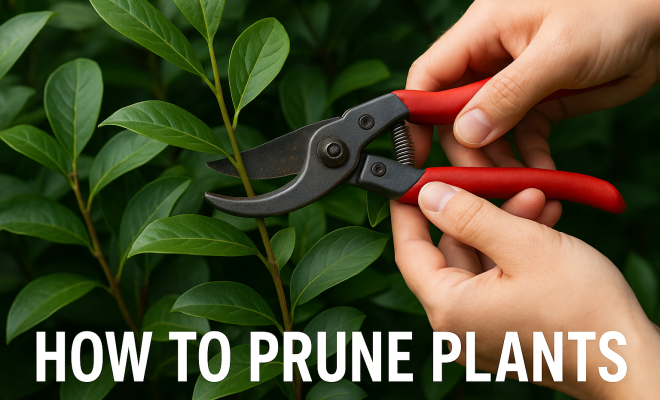
“`html
Pruning plants is one of the most important aspects of gardening, yet it remains a topic that many beginner gardeners find intimidating. However, understanding the fundamentals of pruning can lead to healthier, more vibrant plants and significantly enhanced growth. This guide will walk you through the various techniques, tools, and best practices for pruning plants effectively.
1. Understanding Pruning: Why It Matters
Pruning plants involves the selective removal of certain parts of a plant, such as stems, branches, or buds. This practice serves multiple purposes: it promotes healthy growth, enhances the shape and aesthetic appeal of the plant, and removes dead or diseased material. By pruning, you can control the size of your plants, improve air circulation, and increase light penetration, all of which contribute to the overall health of your garden.
Furthermore, pruning can stimulate new growth, leading to more prolific flowering or fruiting in certain species. For example, spring-flowering shrubs should typically be pruned right after they finish blooming to encourage more growth for the next season. This understanding of timing can significantly impact the plants’ productivity and appearance.
2. When to Prune: Timing Is Everything
The timing of pruning plants varies depending on the species and desired outcomes. Generally, the best time to prune is when the plant is dormant, typically in late winter or early spring. This minimizes stress on the plant, allowing it to heal quickly and efficiently once growth resumes. However, specific plants may require different timing.
For instance, deciduous trees and shrubs are best pruned in late winter, while spring-flowering shrubs should be pruned shortly after their flowers fade. On the other hand, summer-flowering plants can be pruned in late winter or early spring to encourage new growth. Understanding these specific timelines can vastly improve your garden’s productivity.
3. Essential Tools for Pruning Plants
To achieve effective results when pruning plants, having the right tools is essential. Here are some must-have tools that every gardener should own:
- Hand Pruners: Ideal for small branches, these tools provide precision cuts and are perfect for most pruning tasks.
- Loppers: With longer handles, loppers are suited for cutting thicker branches that your hand pruners can’t handle.
- Saws: For larger branches, a pruning saw will be necessary. Choose a lightweight saw with a sharp blade for easier use.
- Hedge Shears: These are perfect for shaping and trimming hedges and larger plants.
- Gloves: Protect your hands from thorns and other sharp edges while working in your garden.
Investing in quality tools can make a significant difference in your pruning experience. Dull blades can damage plants and make the task more labor-intensive, so keep your tools well-maintained.
4. Pruning Techniques: Mastering the Basics
Understanding the different pruning techniques is crucial for achieving the desired results. Here are some common methods:
- Thinning: This involves removing entire branches or stems to improve air circulation and light penetration. Thinning is particularly beneficial for fruiting trees and shrubs.
- Heading: This technique involves cutting back stems to a bud or a previous cut to encourage branching. It’s useful for shaping and controlling the size of plants.
- Pinching: Often used on herbaceous plants, pinching involves removing the tips of young stems to promote bushiness and denser growth.
- Renewal Pruning: This approach is used for older plants to rejuvenate them by removing older stems and encouraging new growth.
Incorporating these techniques into your pruning routine can greatly enhance the appearance and health of your plants. Each method has its own specific benefits, which can be leveraged based on your gardening goals.
5. Common Mistakes to Avoid When Pruning Plants
Even experienced gardeners can make mistakes when pruning plants. Here are some common pitfalls to steer clear of:
- Over-Pruning: Removing too much foliage can stress the plant and hinder its growth. Always assess the plant’s needs before making significant cuts.
- Improper Cuts: Making jagged or improper cuts can lead to open wounds that invite pests and diseases. Always use sharp tools and make clean cuts.
- Ignoring Plant Health: Pruning should focus on the health of the plant. If a branch is healthy but just in the way, reconsider before removing it.
- Pruning at the Wrong Time: Timing can make or break your pruning efforts. Ensure that you’re pruning at the right stage for the specific plants.
By avoiding these common mistakes, you can ensure that your pruning efforts lead to healthier, more resilient plants. (See: Understanding pruning techniques.)
6. Pruning Different Types of Plants
Different plants have varying pruning requirements. Here’s a breakdown of the pruning needs for several common categories:
- Flowering Shrubs: As mentioned earlier, spring-flowering shrubs should be pruned right after blooming, while summer-flowering shrubs can be pruned in late winter or early spring.
- Fruit Trees: For fruit trees, proper pruning promotes fruit production and tree health. Focus on thinning and heading cuts during the dormant season.
- Perennials: Many perennials benefit from a hard cut back in the fall or early spring to promote new growth.
- Evergreens: These require less drastic pruning. Instead, focus on shaping and removing dead branches.
Understanding the specific needs of different plants will help you provide tailored care, leading to a more thriving garden.
7. Pruning Plants: Safety First
Safety is paramount when working with sharp tools and ladders. Here are some safety tips to keep in mind:
- Wear Protective Gear: Always wear gloves to protect your hands and safety goggles to shield your eyes from debris.
- Be Mindful of Your Surroundings: Ensure you have ample space to work and that there are no obstacles in your way.
- Use Tools Properly: Familiarize yourself with how to use your pruning tools safely. Avoid cutting above your head where possible.
By following these safety practices, you can enjoy a productive pruning session without injury.
8. Current Trends in Pruning Practices
As gardening evolves, so do pruning strategies. Recently, there’s been a shift towards more naturalistic pruning methods that aim to maintain the plant’s natural shape while ensuring health. This approach often involves less aggressive pruning and focuses more on the plant’s growth habits.
Additionally, organic gardening practices are influencing pruning techniques. Gardeners are increasingly aware of the impact of chemicals on their plants and are opting for natural pest control methods instead. By prioritizing ecological sustainability, gardeners are embracing a more holistic approach to plant care, which includes thoughtful pruning practices.
9. The Long-Term Benefits of Pruning Plants
While it may seem like a simple task, the long-term benefits of pruning plants are profound. Healthy, well-maintained plants are more resilient to pests and diseases and can thrive in their environments. Regular pruning can improve flowering and fruiting, leading to a more productive garden.
Moreover, pruning can enhance the aesthetic value of your landscape, creating a more pleasing and organized garden. By taking the time to properly prune your plants, you’ll not only be fostering their health but also investing in the beauty of your outdoor space for years to come.
10. Understanding Plant Growth and Development
To prune effectively, you need to know how plants grow. Most plants exhibit a growth pattern characterized by a dormant period and an active growing season. During the dormant season, plants conserve energy and prepare for the burst of growth in spring. Understanding this cycle is essential for deciding when and how to prune.
For instance, many deciduous trees and shrubs will focus their energy on producing leaves and flowers during the active season. If you prune during this time, you risk cutting off the buds that would become flowers or new growth. Knowing the growth habits of your specific plants can lead to more successful outcomes.
11. Choosing the Right Time for Pruning Different Species
Timing varies not only by the plant type but also by the climate zone where you live. For example, in warmer climates, many plants can be pruned earlier because they enter dormancy sooner. In contrast, in cooler climates, you might wait longer. Here’s a quick breakdown:
- Deciduous Trees: Best pruned in late winter before bud swell.
- Spring-Blooming Shrubs: Prune immediately after flowering to avoid cutting off next year’s blooms.
- Summer-Blooming Shrubs: Prune in late winter or early spring to encourage growth.
- Evergreen Trees: Prune sparingly in early spring to maintain shape without losing much foliage.
12. Advanced Pruning Techniques
Once you’re comfortable with the basics, there are advanced techniques that can elevate your gardening game. These include:
- Crown Reduction: This technique involves reducing the height of a tree by removing the upper branches. It’s particularly useful for keeping trees at a manageable size.
- Espalier: A method that trains trees or shrubs to grow flat against a wall or trellis, creating a unique aesthetic and maximizing space.
- Pollarding: This is a radical form of pruning that involves cutting back branches to a trunk or main stem, promoting a denser growth of foliage.
- Topiary: The art of shaping shrubs into ornamental forms or figures through careful pruning.
These advanced techniques require practice and a deeper understanding of plant growth, but when done correctly, they can transform your garden into a work of art. (See: Scientific insights on plant growth.)
13. Environmental Impact of Pruning
Pruning isn’t just about aesthetics and plant health; it also has environmental implications. Proper pruning can lead to healthier ecosystems by promoting biodiversity. For example, by removing diseased or infested branches, you prevent the spread of pests and pathogens to neighboring plants.
Moreover, well-pruned trees help to manage stormwater runoff, reduce urban heat, and improve air quality. Researchers have found that properly maintained trees can absorb significant amounts of carbon dioxide, contributing to the fight against climate change. Therefore, responsible pruning practices can lead to a healthier environment overall.
14. Frequently Asked Questions About Pruning Plants
What is the best time of year to prune my plants?
Generally, late winter to early spring is the best time for most plants. However, it depends on the species, so be sure to check specific guidelines for your plants.
Can I prune my plants during the summer?
Yes, some plants can be pruned in the summer, especially if they are summer-blooming species. Just avoid pruning spring-bloomers at this time, as you may remove next year’s flowers.
How can I tell if I’m over-pruning?
If your plants begin to show signs of stress, such as yellowing leaves or stunted growth, you may be over-pruning. Always be cautious and remove only what is necessary.
Is it necessary to sterilize my tools before pruning?
While it’s not always necessary, sterilizing your pruning tools can help prevent the spread of diseases from one plant to another, especially if you’re working with plants that have known issues.
Are there any plants that should not be pruned?
Yes, certain plants, especially those that are sensitive to pruning, may not benefit from it. For instance, some flowering trees may be damaged by heavy pruning, so it’s best to research specific needs.
How do I maintain my pruning tools?
Keep your tools clean and sharp. Wipe them down with a cloth after use, and consider oiling the blades to prevent rust. Regular sharpening will keep your cuts clean and effective.
What are the signs that a plant needs pruning?
Signs include dead or diseased branches, excessive growth, or a lack of blooms. If a plant looks overgrown or unhealthy, it’s likely time for a trim.
Can I prune in the fall?
Generally, it’s best to avoid heavy pruning in the fall, as this can stress the plant before winter. Light maintenance can be done, but significant cuts are better saved for the dormant season. (See: Impact of green spaces on health.)
15. Pruning Plants for Landscape Design
Pruning isn’t just about maintaining plant health; it plays a pivotal role in landscape design. By shaping plants, you can create visually appealing outdoor spaces that enhance the overall aesthetic of your home. For example, formal gardens often require precise pruning to maintain clean lines and symmetry, while informal gardens might benefit from a more relaxed approach that emphasizes natural shapes.
Using different pruning techniques can help you establish focal points in your garden. For instance, using topiary techniques on certain shrubs can create stunning vertical accents that draw the eye. Similarly, creating a layered effect with various flowering plants, pruned at different heights, adds depth and interest to your landscape.
Statistics indicate that well-maintained landscapes can increase property values by up to 15%. This highlights how important proper pruning and plant care are, not just for the health of the plants but also for the potential return on investment for homeowners.
16. Pruning and Seasonal Care: A Holistic Approach
Pruning should be part of a comprehensive seasonal care routine for your garden. Each season presents unique opportunities to care for your plants beyond just pruning. For example, spring is ideal for assessing plant health, applying fertilizers, and mulching after your pruning is complete. Summer can focus on pest control and additional light pruning to encourage new growth. In the fall, assessing your plants for winter readiness and making final pruning adjustments can prepare them for dormancy.
Moreover, integrating pruning into your seasonal care means considering the needs of your plants throughout the year. For example, some plants may benefit from additional care, such as watering or pest management, during their active growth periods. This holistic approach ensures that you’re not just cutting back plants but nurturing them to thrive in the long term.
17. Common Myths About Pruning Plants
Despite the wealth of knowledge available, several myths about pruning persist. Addressing these myths can help gardeners make more informed decisions:
- Myth 1: Pruning is only for aesthetics. While appearance is important, pruning is essential for plant health by removing diseased or dead material.
- Myth 2: You can prune any time of year. Timing is crucial; pruning at the wrong time can harm plants.
- Myth 3: All plants need heavy pruning. Many plants thrive with minimal intervention, and over-pruning can do more harm than good.
- Myth 4: Pruning is a one-time job. Pruning is an ongoing process that varies throughout the plant’s life cycle and season.
Understanding these myths can empower you to approach pruning with confidence and a clearer strategy.
18. Conclusion: Embracing the Art of Pruning
Pruning plants is a rewarding practice that, when done correctly, can lead to healthier plants and a more beautiful garden. By understanding the various techniques, timing, and specific requirements of different plant species, you can become a more skilled gardener. Remember that each pruning session is an opportunity to connect with your plants and foster their growth. As you develop your pruning skills, you’ll find it becomes a satisfying part of your gardening routine, contributing to an abundant and vibrant outdoor space.
“`
Trending Now
Frequently Asked Questions
What is the best time to prune plants?
The best time to prune plants is typically during their dormant period, which is late winter or early spring. This timing helps minimize stress on the plant and allows for quicker healing once growth resumes. However, specific plants may have different pruning schedules, such as spring-flowering shrubs, which should be pruned right after flowering.
Why is pruning important for plants?
Pruning is essential for promoting healthy growth, enhancing the shape and aesthetic appeal of plants, and removing dead or diseased material. It also helps control plant size, improves air circulation, and increases light penetration, all contributing to a healthier garden and potentially more prolific flowering or fruiting.
How do you know which branches to prune?
When pruning, focus on removing dead, diseased, or damaged branches, as well as any that cross or rub against each other. Additionally, consider pruning to maintain the desired shape of the plant and to encourage new growth, particularly in areas that may be overcrowded.
Can you prune plants in the summer?
Yes, some plants can be pruned in the summer, particularly summer-flowering varieties. It's generally best to prune them in late winter or early spring to encourage new growth, but understanding the specific needs of each plant species is crucial for optimal results.
What tools do I need for pruning plants?
Essential tools for pruning include sharp pruning shears for small branches, loppers for thicker stems, and a pruning saw for larger branches. It's important to ensure that all tools are clean and sharp to make clean cuts that promote healing and reduce the risk of disease.
What’s your take on this? Share your thoughts in the comments below — we read every one.