How to build closet organizer
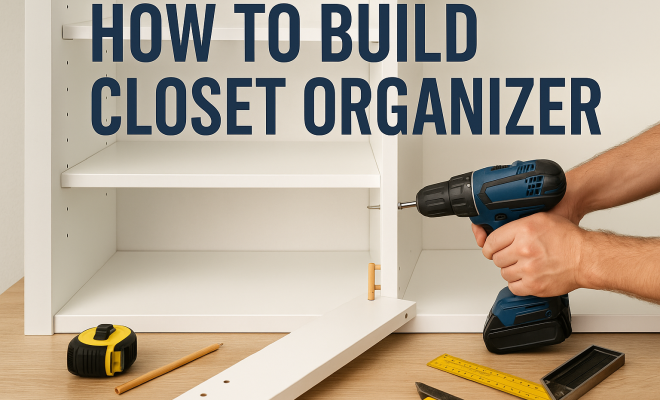
“`html
1. Understanding the Need for Closet Organization
Have you ever opened your closet only to be greeted by a chaotic tangle of clothes, shoes, and accessories? You’re not alone. Many people struggle with disorganized closets that make it hard to find what they need. A well-organized closet not only saves time but also maximizes space, making your daily routine smoother. But how do you create a functional closet that meets your needs? That’s where closet organizer ideas come into play.
A closet organizer is essentially a system that categorizes and stores your belongings efficiently. From shelving units to hanging rods, these tools help you utilize every inch of your closet. But before diving into the DIY world of closet organizers, let’s discuss the benefits of having a well-structured closet. Firstly, it can reduce stress; studies show that clutter can lead to anxiety. Secondly, it enhances the aesthetic appeal of your space, allowing you to showcase your belongings rather than hide them away.
2. Assessing Your Closet Space
The first step in building an effective closet organizer is assessing your existing space. Take a good look at your closet’s dimensions—width, depth, and height. Are there any awkward areas that aren’t being utilized? Do you have enough vertical space that can accommodate shelves? Understanding your closet’s layout will guide your design choices.
Next, consider what you plan to store. Different items require different types of storage solutions. For instance, shoes might need slanted shelves, while folded clothes could be better suited for flat shelves. Assessing your items will help you decide which organizational features to prioritize. Make a list of everything you want to store—clothes, shoes, accessories—then categorize them, which will ultimately aid in designing a tailor-made closet organizer.
3. Choosing Materials for Your Organizer
Once you’ve assessed your closet space, it’s time to choose the materials you’ll need. The most common materials for DIY closet organizers include wood, melamine, and metal. Wood offers durability and a classic look, while melamine can provide a more modern aesthetic at a lower cost. Metal, on the other hand, is excellent for sturdiness and often used in commercial closet systems.
Don’t forget about the hardware! You’ll need screws, brackets, and possibly drawer slides, depending on your design. Many home improvement stores offer pre-packaged kits that include all the necessary components. If you’re new to woodworking, consider starting with a melamine kit, which is easier to cut and assemble compared to solid wood.
4. Designing Your Closet Organizer
When it comes to closet organizer ideas, the design phase is where creativity can shine. Start by sketching your ideal layout on paper. A popular design is the double hanging rod system, which maximizes vertical space by allowing you to hang clothes in two rows. This is particularly effective for shorter garments like shirts and blouses.
Another effective design is integrating shelves with baskets. Baskets can hold smaller items like accessories, while shelves can store folded clothing or shoes. Consider incorporating adjustable shelving, which allows you to modify the height as your storage needs change over time. If you want to add a touch of luxury, integrated lighting can illuminate dark corners and highlight your organized space.
5. Step-by-Step Building Process
Ready to bring your closet organizer ideas to life? Here’s a simple, step-by-step process to follow:
- Prep Your Space: Clear out your closet and clean the surfaces.
- Measure Twice, Cut Once: Mark the dimensions on your materials and cut them according to your design.
- Assemble the Components: Begin by installing the vertical panels; this will give your organizer stability. Attach the shelves and rods according to your layout.
- Install Additional Features: Add drawers, baskets, or any other elements you want to include.
- Finishing Touches: Sand down any rough edges, paint or stain as desired, and install your hardware.
Always make sure to follow safety guidelines, especially when using power tools. If you’re uncertain about any step, don’t hesitate to consult online tutorials or ask for assistance from a more experienced friend.
6. Customizing for Your Lifestyle
Your closet organizer should reflect your unique lifestyle. For example, if you’re a fashion enthusiast, consider adding additional hanging space for your favorite outfits. If you have a lot of shoes, building a shoe tower or slanted shoe shelves can be incredibly practical. If you have children, creating lower shelves or bins can make it easier for them to reach their items.
Another customization idea is to incorporate specific sections for seasonal items. For instance, you might want to designate a shelf for winter coats and boots, keeping them separate from your everyday clothes. This way, when seasons change, you can easily swap items in and out without cluttering your space. (See: impact of clutter on mental health.)
7. Maintaining Your Closet Organizer
Once you’ve built your closet organizer, the next crucial step is maintenance. A well-organized closet can quickly become chaotic if not regularly attended to. Make it a habit to assess your closet every few months. Remove any items you no longer wear or need; consider donating them to free up space.
Additionally, try to establish a system for returning items to their designated spots. This could be as simple as reserving a few minutes each week to tidy things up. Consider using labels on bins or shelves, especially if you have multiple family members sharing the space. This will help everyone remember where to find and return items.
8. Current Trends in Closet Organization
As trends in home organization continue to evolve, new ideas are cropping up all the time. One noteworthy trend is the shift towards sustainable materials. People are increasingly opting for eco-friendly options, including reclaimed wood or bamboo for their closet organizers. This not only contributes to a healthier planet but also adds a unique character to your space.
Another trend involves the use of technology. Smart closets featuring automated lighting, charging stations for devices, and built-in speakers are becoming more popular. While these high-tech options might require a larger budget, they can provide a level of convenience that transforms your daily routine.
9. Final Thoughts
Building a closet organizer might seem daunting at first, but with careful planning and creativity, you can create a space that perfectly suits your needs. Remember, the key is to customize your design based on your lifestyle and to maintain your organization system over time. Whether you’re looking to declutter or simply maximize your space, the investment in a well-built closet organizer is undoubtedly worth it.
So roll up your sleeves and get started! The satisfaction of a beautifully organized closet will not only enhance your space but also elevate your daily life.
10. Popular Closet Organizer Ideas
There’s no shortage of closet organizer ideas to consider. Below are some popular options that can be tailored to fit various closet sizes and personal needs:
10.1 Vertical Storage Solutions
Utilizing vertical space is essential for maximizing storage. Consider adding tall shelving units or using hooks for hats and accessories. Adding a pegboard on one side can also provide a place for smaller items without taking up floor space. Hanging organizers that attach to the door can hold shoes, accessories, or even cleaning supplies in a hallway closet.
10.2 Drawer Systems
Drawers are perfect for keeping smaller items organized. If you have a lot of accessories like belts, scarves, or jewelry, consider incorporating a drawer system with dividers. This helps keep everything visible and accessible, making it easier to pick out items when getting dressed.
10.3 Color-Coding
Color-coding your clothes is not only visually appealing but also functional. By organizing clothing by color, you can find what you need quickly. It also helps you see the variety of items you have, which might inspire new outfit combinations!
10.4 Seasonal Rotation
Implementing a seasonal rotation can keep your closet organized year-round. Designate a section for off-season clothing and store them in bins or vacuum-sealed bags. This frees up space for your current wardrobe and makes it easier to locate items when the seasons change.
11. Smart Closet Technologies
As technology becomes more integrated into our lives, smart closet solutions are gaining popularity. Consider these tech-savvy ideas:
11.1 Smart Lighting
Install motion-sensor lights that turn on as you open the closet. This not only enhances visibility in dark corners but also saves energy when the closet is not in use.
11.2 App-Connected Closet Systems
Some brands offer app-connected closet systems that help you keep track of your clothing inventory. These systems can suggest outfits based on your preferences and even remind you of items you haven’t worn in a while, encouraging a more mindful approach to shopping and reducing clutter. (See: tips for organizing your closet.)
12. Expert Tips for Closet Organization
To take your closet organization to the next level, consider these expert tips:
12.1 Evaluate Regularly
Set a recurring date on your calendar to evaluate your closet. Every few months, go through each section and see if items still fit your lifestyle and needs.
12.2 Invest in Quality Hangers
Using quality hangers can prevent clothes from getting damaged and help maintain their shape. Look for hangers that are non-slip for delicate fabrics, or consider velvet hangers for a uniform look.
12.3 Use Clear Bins
Clear bins allow you to see what’s inside without having to open them. Label each bin clearly, and stack them to maximize vertical space while keeping everything organized.
13. Comparing DIY vs. Store-Bought Options
When it comes to closet organization, one significant decision is whether to go for a DIY approach or purchase a pre-made system. Here’s a quick comparison:
13.1 DIY Closet Organizers
Building your own closet organizer can be incredibly fulfilling. You have total control over the design, materials, and dimensions, ensuring that it fits perfectly in your space. DIY organizers can be more cost-effective, allowing for customization that can cater to your personal preferences.
13.2 Store-Bought Closet Systems
On the other hand, store-bought options provide convenience. They often come with a clearer assembly guide and require less time to implement. However, they might not fit your closet perfectly, and customization options can be limited. Prices can vary widely based on the brand and features, so it’s wise to compare costs before making a decision.
14. Frequently Asked Questions (FAQ)
14.1 How do I choose the right closet organizer for my space?
Consider your closet dimensions, the items you want to store, and your budget. Evaluate your organization needs—do you need more hanging space, shelves, or drawers? Consider browsing inspiration online to determine what resonates with you.
14.2 What materials are best for a DIY closet organizer?
Wood, melamine, and metal are popular choices. Wood provides durability and aesthetic appeal, while melamine is often more affordable and easier to work with. Metal is sturdy and works well for commercial or high-use environments.
14.3 How can I maintain my organized closet?
Regularly assess your closet and set aside time to tidy up. Encourage family members to return items to their designated spots, and consider implementing a labeling system for bins and shelves.
14.4 Are there specific organizers for shoes?
Yes, there are many shoe organizers available, including racks, shelves, and bins. Slanted shelves are great for displaying shoes, while over-the-door organizers can save space for smaller closets. (See: organizing for well-being.)
14.5 What are some tips for organizing accessories?
Use small bins or drawer dividers to keep accessories like jewelry, belts, and scarves organized. Pegboards can also be a stylish way to display and access frequently used items.
15. Additional Closet Organizer Ideas
If you’re looking for more inspiration, here are some additional closet organizer ideas to consider:
15.1 Multi-Purpose Furniture
Consider integrating multi-purpose furniture into your closet. For example, a bench with storage can provide seating while also keeping shoes or other items tucked away neatly. This is especially useful in smaller spaces where every inch counts.
15.2 Use of Mirrors
Incorporating mirrors not only enhances the functionality of your closet but also makes the space feel larger. A full-length mirror can be mounted on the door or wall, allowing you to check your outfit and utilize the reflection to brighten the space.
15.3 Hooks and Racks
Utilize hooks for bags, hats, or even jewelry. Wall-mounted racks can hold scarves or belts, keeping them untangled and easily accessible. This is another great way to maximize vertical space and keep frequently used items within reach.
16. Incorporating Personal Style
Your closet should not only be organized but also reflect your personal style. Consider the following:
16.1 Decor Elements
Add decorative touches that resonate with your taste. This could include framed art, decorative storage boxes, or vibrant bins that match your home’s color scheme. Aesthetics can enhance the appeal of your organized space.
16.2 Themed Organization
Think about organizing your closet by theme. If you have a particular style (like bohemian or minimalist), let that influence how you arrange your clothing and accessories. This adds a unique flair to your closet and can make dressing up feel more exciting.
17. Final Reflections
Creating a well-organized closet is a rewarding endeavor that can significantly improve your daily life. From thoughtfully assessing your space to implementing creative organizer ideas, every step you take contributes to a more functional environment. Whether you choose to go the DIY route or opt for store-bought solutions, the important thing is to make it work for you. Remember to embrace your personal style and keep your unique needs in mind, allowing your closet to be a reflection of who you are. With a little effort and creativity, your closet can transform from a cluttered chaos into an organized haven.
“`
Trending Now
Frequently Asked Questions
What are the benefits of a closet organizer?
A closet organizer reduces stress by minimizing clutter, which can lead to anxiety. It also enhances the aesthetic appeal of your space, allowing you to showcase your belongings. Additionally, a well-organized closet maximizes space, making it easier to find what you need during your daily routine.
How do I assess my closet space for organization?
Start by measuring your closet's dimensions: width, depth, and height. Identify any awkward areas that aren't utilized and consider the vertical space available for shelves. Make a list of items you want to store and categorize them to guide your design choices for an effective organizer.
What materials should I use for a closet organizer?
Choosing materials for your closet organizer depends on your storage needs and aesthetic preferences. Common options include wood, metal, and plastic. Consider durability and the type of items you plan to store, as different materials offer varied levels of strength and style.
What items can I store in a closet organizer?
You can store a variety of items in a closet organizer, including clothes, shoes, accessories, and seasonal items. Different organizational features like slanted shelves for shoes and flat shelves for folded clothes can help you effectively categorize and store your belongings.
How can I maximize space in my closet?
Maximizing space in your closet involves assessing your layout and utilizing vertical space effectively. Use shelving units, hanging rods, and bins to categorize and store items efficiently. Consider adding hooks or over-the-door organizers to take advantage of every inch of your closet.
Have you experienced this yourself? We’d love to hear your story in the comments.