How to make playhouse
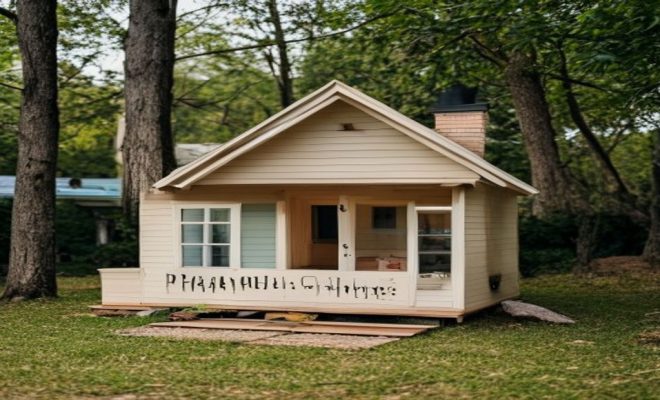
“`html
Creating a playhouse can be one of the most rewarding projects for both you and your children. It’s not just about giving them a place to play; it’s about nurturing their imagination and creativity. If you’re wondering how to build a playhouse that stands out, this guide will provide you with ten essential tips that cover everything from design to materials. Whether you’re a seasoned DIYer or just starting out, there’s something here for everyone.
1. Planning Your Playhouse
Before diving into the construction process, it’s crucial to have a solid plan. Take the time to sketch your ideas, think about how big you want the playhouse to be, and consider where you’ll place it in your yard. A good starting point is to measure the available space. You want enough room for the structure to fit comfortably without overcrowding the yard.
Consider your children’s needs too. Will they be playing alone or with friends? A larger playhouse might be suitable for group activities. Keep in mind that your design doesn’t have to be elaborate; sometimes the simplest designs work best. Think about basic elements like windows, a door, and a roof shape that can withstand the elements.
2. Selecting Materials
When learning how to build a playhouse, material selection is a critical part of the process. The materials you choose will impact the durability and appearance of the playhouse. Commonly used materials include wood, plastic, and even metal. Each comes with its own benefits and drawbacks.
- Wood: It’s traditional and can be easily customized, stained, or painted. However, it may require regular maintenance to prevent rot and damage.
- Plastic: Lightweight and often maintenance-free, plastic playhouses are easy to clean and resistant to weather. However, they can lack the aesthetic appeal of wood.
- Metal: Durable and resistant to pests, metal playhouses can last a lifetime. Yet, they might not be as comfortable in hotter climates without proper insulation.
Ultimately, the choice of material should align with your budget, desired aesthetics, and durability needs.
3. Building a Strong Foundation
Every structure requires a strong foundation, and a playhouse is no exception. Building a solid base will ensure your playhouse remains stable and safe for play. You can choose from several foundation styles: a concrete slab, wooden beams, or even a simple gravel base.
Concrete provides the most stability but is more labor-intensive. Wooden beams can be easier to install and give a classic look but require careful leveling. A gravel base is the simplest option but may not be ideal if your yard is uneven or muddy. Whichever you choose, make sure to account for drainage to keep the playhouse dry.
4. Designing the Playhouse
The design is one of the most exciting parts of building a playhouse. Consider what your kids love—maybe they want a castle, a pirate ship, or a cottage in the woods. You can incorporate fun architectural features like balconies, slides, or even a small climbing wall. Just remember to keep safety in mind as you design.
Color plays a significant role too. A bright, cheerful palette can make the playhouse more inviting. Let your children help choose the colors and decorations—they’ll feel a stronger connection to the space if they have a say in its design.
5. Safety First
As with any construction project meant for children, safety should be your top priority. Start by ensuring that any materials used are non-toxic and safe for kids. If you’re using wood, sand down sharp edges and apply child-safe finishes.
When building, ensure that the structure is stable and that there are no loose parts that could become hazards. If your design includes elevated areas, install guardrails to prevent falls. Lastly, keep an eye on potential environmental hazards, like trees with low branches or poisonous plants nearby.
6. Choosing the Right Location
The location of your playhouse can significantly impact its use and longevity. Ideally, place the structure in a shady area to protect your kids from harsh sunlight. Proximity to your home is also essential; you’ll want to keep an eye on them as they play. (See: Preventing Lead Exposure in Children.)
Consider the ground type, too. A level surface is ideal for stability. Avoid areas prone to flooding or excessive mud after rainfall. Additionally, think about how visible the playhouse will be from your home. Being able to see it easily will help you keep track of your kids while they’re having fun.
7. Adding Fun Features
Once the main structure is up, it’s time to think about fun features that will enhance your kids’ playtime. Depending on your space and budget, you can add a variety of elements, like a small slide, a sandbox, or even a swing set nearby.
Interactive features, like a chalkboard wall or a small kitchenette, can also encourage creativity. Adding these elements not only increases the playability of the space but also makes it a more engaging environment for your children and their friends.
8. Maintaining Your Playhouse
After you’ve built your playhouse, don’t forget about maintenance. Regularly check for any wear and tear, especially after storms or heavy use. Inspect the foundation, structures, and any features you’ve added. Look for any signs of rot or rust, depending on your materials.
If you’ve used wood, consider re-sealing it every few years to protect it from the elements. Aside from that, periodic cleaning can help keep the space inviting. Encourage your kids to help with upkeep; it can teach them responsibility and the importance of taking care of their belongings.
9. Budgeting for Your Project
Building a playhouse can be a significant investment depending on the complexity of your design and the materials you choose. Before you start, set a realistic budget that includes all aspects of the build: materials, tools, and any additional features you plan to add.
Shop around for materials; sometimes, you can find excellent deals at local hardware stores or lumber yards. Don’t forget to include hidden costs, such as permits if required in your area. Planning your budget carefully will help you avoid surprises down the line and ensure you can complete the project without financial stress.
10. Involving Your Kids
Finally, one of the best parts of building a playhouse is involving your kids in the process. Let them help with tasks suited to their ages. Younger children can assist with painting, while older kids might help with assembly or design ideas.
Getting them involved not only makes the project more enjoyable but also fosters a sense of ownership. They’ll feel proud to play in a space they helped create. Plus, it’s an excellent opportunity for family bonding, learning about construction, and developing skills that will benefit them in the future.
11. Choosing a Design Theme
When considering how to build a playhouse, picking a design theme can significantly enhance the experience for your children. Themes like a fairytale castle, a pirate ship, or a cozy cottage can make the playhouse feel like a special destination rather than just a structure in the yard. Think about your kids’ favorite books, shows, or hobbies and let those inspire the theme.
For instance, a fairy-tale castle could feature turrets and drawbridges, while a pirate ship could have sails and a lookout tower. Adding themed decorations can make the playhouse more immersive. You could even host themed play dates where the kids dress up to match the theme, enhancing their imaginative play even further.
12. Incorporating Eco-Friendly Practices
Today’s families are increasingly focused on sustainability, and you can bring this awareness into your playhouse project. When learning how to build a playhouse, consider using reclaimed materials, non-toxic paints, and sustainable resources. This not only benefits the environment but also sets a good example for your children.
Using reclaimed wood can give your playhouse a unique charm and character while reducing the demand for new timber. Additionally, look for low-VOC (volatile organic compounds) paints and finishes to ensure a safe environment for your kids. You could even incorporate a small garden area or a green roof to help kids learn about nature and sustainability.
13. Examples of Playhouse Designs
If you’re stuck on what kind of playhouse to build, exploring examples of popular designs can help spark your creativity. Below are a few ideas: (See: Playhouses for Kids: A New Trend.)
- Treehouse Style: Building a playhouse in the trees can create a magical escape. Ensure it’s securely anchored and includes safety features like sturdy ladders.
- Portable Playhouse: For those who may want flexibility, consider a playhouse on wheels that can be moved around the yard. This design allows for play in different areas over time.
- Multi-Level Playhouse: Create a two-story playhouse with a ladder or slide for extra fun. This adds dimension and can accommodate more children at once.
- Customizable Kit: If you’re short on time, consider purchasing a playhouse kit. These kits come with pre-cut materials and instructions, making the building process faster and easier.
14. Engaging with Your Community
Building a playhouse can also be an opportunity to engage with your community. Consider involving neighbors or friends who are also interested in DIY projects. This not only makes the task more enjoyable but can also provide additional hands when it comes to heavy lifting or specialized tasks.
Additionally, you could collaborate on a neighborhood playhouse project. Maybe several families can team up to build a larger structure in a communal area. This can enhance community bonds and give the children a shared space to enjoy.
15. FAQs About Building a Playhouse
As with any project, questions are bound to arise. Here are some frequently asked questions about how to build a playhouse:
What size should my playhouse be?
The size of your playhouse depends on your available space, budget, and how many children will use it. A good rule of thumb is to have at least 4-5 square feet of space per child who will be playing in it. If you have multiple kids or plan to host friends, consider a larger design.
What is the best material for a playhouse?
Wood remains the most popular choice because it allows for custom designs and is durable. However, plastic and metal playhouses can be more maintenance-free. Choose a material that suits your climate and aesthetic preferences.
How do I ensure my playhouse is safe?
To keep your playhouse safe, use non-toxic materials, smooth out sharp edges, and install safety features like guardrails. Regularly inspect the structure for wear and tear, and ensure it’s built on a stable and level foundation.
Can I build a playhouse on a budget?
Yes! You can build a playhouse on a budget by using reclaimed materials, opting for simpler designs, or even purchasing a DIY kit. Compare prices for materials and consider doing some tasks yourself to save on labor costs.
How long does it take to build a playhouse?
The time to build a playhouse can vary widely based on its complexity and the materials used. A simple playhouse can take a weekend, while more elaborate structures could take several weeks. Planning and preparation can help streamline the process.
What features should I include for added fun?
Interactive elements make a playhouse more engaging. Consider adding a slide, climbing wall, chalkboard, or play kitchen. You could also include sensory elements, like a small water feature or a garden area, to enhance the play experience.
16. Trends in Playhouse Design
As you consider how to build a playhouse, it’s important to be aware of current design trends that can inspire your project. Modern playhouses are not just functional; they are often designed to reflect contemporary aesthetics and environmental values.
One popular trend is the incorporation of natural elements. Many parents are opting for playhouses that blend seamlessly into their outdoor environment, using materials like bamboo or reclaimed wood. These designs are often characterized by large windows and open layouts that allow for plenty of natural light.
Another trend is the multi-functional playhouse. Designers are creating structures that can serve as both play areas and storage spaces. This not only maximizes utility but also helps keep outdoor spaces tidy. Some playhouses even come equipped with solar panels, providing a sustainable energy source for lighting and other features.
17. Unique Customization Ideas
While standard playhouse designs are delightful, personalizing your playhouse can create a truly unique space for your children. Here are some creative ideas to customize your playhouse:
- Interactive Walls: Instead of standard walls, consider using pegboard or magnetic paint to allow for changing decorations and fun activities.
- Artistic Touches: Encourage creativity by painting murals or installing a mini art gallery where your kids can display their artwork.
- Themed Interior: Inside the playhouse, create themed areas like a reading nook, a craft station, or even a mini stage for performances.
- Lighting Features: String lights can create a whimsical atmosphere. Consider solar-powered fairy lights for a magical evening play experience.
- Garden Connection: If space allows, incorporate a small garden area or planters where kids can plant flowers or vegetables, teaching them about nature and responsibility.
18. Educational Opportunities
A playhouse can serve as more than just a fun space; it can also be a great educational tool. Here are some ideas on how to incorporate learning into play:
- STEM Activities: Create a science corner with simple experiments, or install a small weather station to teach kids about meteorology.
- Art and Craft Area: Stock the playhouse with art supplies for creative expression, from painting to crafting.
- Reading Zone: Include a bookshelf filled with age-appropriate books to encourage a love for reading.
- Gardening Lessons: If you have a garden area, teach your kids about planting, nurturing, and the lifecycle of plants.
By incorporating educational elements, you can enrich your children’s playtime and provide valuable lessons.
19. Playhouse Regulations and Permits
When planning how to build a playhouse, you may need to consider local regulations and permits. Many areas have specific codes regarding outdoor structures, particularly if the playhouse exceeds a certain height or size.
It’s wise to check with local authorities or your homeowners’ association to ensure compliance. Sometimes, even if a permit isn’t required, informing your neighbors can help maintain good relationships.
Understanding these regulations beforehand can save you time and potential fines, allowing you to focus more on the fun aspects of building.
20. Celebrating the Completion
Once you finish building the playhouse, it’s time to celebrate! Host a small gathering with family and friends to unveil the new play space. You could have a “housewarming” party where kids can explore the playhouse and engage in games and activities.
Consider inviting neighbors or other children from the area, turning it into a community event. This not only allows your kids to share their new space but also fosters community connections. You could even include fun activities like a treasure hunt or arts and crafts to commemorate the occasion.
Building a playhouse is not just a construction project; it’s an investment in your child’s happiness and creativity. With thoughtful planning, the right materials, and a little bit of effort, you can create a magical space that provides years of fun and joy. So, roll up your sleeves, grab your tools, and start building that dream playhouse today!
“`
Trending Now
Frequently Asked Questions
What materials do I need to build a playhouse?
To build a playhouse, you'll typically need materials such as wood, plastic, or metal. Wood offers customization but requires maintenance, while plastic is lightweight and maintenance-free. Metal is durable but may need insulation in hot climates. Choose materials based on durability, appearance, and your specific needs.
How do I plan a playhouse for my kids?
Start by sketching your ideas and measuring the available space in your yard. Consider the size of the playhouse based on how many children will use it. Basic elements like windows, a door, and a sturdy roof shape are essential for functionality and safety. Keep the design simple for the best results.
What is the best design for a children's playhouse?
The best design for a children's playhouse is one that balances simplicity and functionality. Focus on essential features such as adequate space, windows for light, and a sturdy roof. Tailor the design to your children's play habits, ensuring it accommodates solo or group activities comfortably.
How long does it take to build a playhouse?
The time it takes to build a playhouse varies based on your experience level and the complexity of the design. For a simple structure, it may take a weekend, while more elaborate designs could take several weeks. Proper planning and preparation can streamline the process.
What are some tips for maintaining a wooden playhouse?
To maintain a wooden playhouse, regularly check for signs of rot or damage, especially in areas exposed to moisture. Apply protective stains or paints to prevent weather damage. Additionally, ensure proper ventilation to minimize moisture buildup, and inspect the structure periodically for any necessary repairs.
What’s your take on this? Share your thoughts in the comments below — we read every one.