Build a Bat House: Your Guide to Bat Conservation
“`html
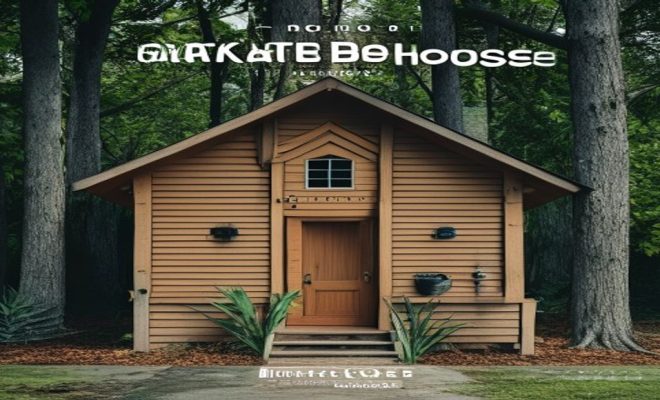
Building a bat house is a rewarding project that not only aids in bat conservation but can also be a great addition to your backyard. As bats are vital for controlling insect populations, providing a suitable habitat for them can turn your garden into a thriving ecosystem. If you’re considering constructing a bat house, here’s a comprehensive guide that covers everything you need to know, from selecting the right materials to understanding bat behavior.
1. The Importance of Bats
Bats play a crucial role in our environment. They are natural pest control, consuming vast quantities of insects, including mosquitoes and agricultural pests. For instance, a single bat can eat over 1,000 insects in a night! This highlights their importance in maintaining ecological balance and supporting agriculture.
Moreover, many species of bats are facing severe threats due to habitat loss, climate change, and diseases such as White-nose Syndrome. By building bat houses, you can provide a safe haven for these creatures, helping to stabilize their populations while enjoying the benefits they bring to your garden.
2. Understanding Bat Behavior
Before diving into bat house plans, it’s essential to understand bat behavior. Bats are nocturnal and prefer to roost in dark, enclosed spaces that offer protection from predators. They tend to favor locations that are warm and dry, which is why proper design is critical when building a bat house.
Different species of bats have varying roosting preferences. For example, while some prefer solitary roosts, others thrive in colonies. Researching the specific bat species in your region can inform your design choices, ensuring your bat house meets their needs.
3. Choosing the Right Location
The success of your bat house largely depends on its location. Ideally, bat houses should be placed in areas that receive plenty of sunlight, particularly during the afternoon. Aim for a height of 10 to 15 feet off the ground, mounted on poles, buildings, or trees.
It’s also crucial to ensure the bat house is away from strong winds and easily accessible to bats flying in the evening. Proximity to water sources, such as ponds or lakes, is beneficial as it attracts insects that bats feed on.
4. Materials You’ll Need
When constructing your bat house, the materials you use are vital for both the durability of the structure and the comfort of its occupants. The best materials include untreated wood such as cedar or plywood, as treated wood can be harmful to bats.
Here’s a basic list of materials you might need:
- 1-inch thick untreated plywood or cedar
- Exterior-grade screws
- Wood glue
- Non-toxic paint or stain (optional)
- Hinges (for cleaning access)
- Drill and saw
- Sandpaper
- Measuring tape
- Paintbrush (if applying finish)
5. Basic Bat House Plans
Your bat house plans should include specific dimensions to ensure it meets the needs of bats. A typical bat house might be around 24 inches tall, 14 inches wide, and 6 inches deep. This size can accommodate several bats, making it suitable for species that prefer to roost in colonies.
A good design often features multiple chambers to allow for improved airflow and a comfortable environment. Each chamber should be about 3/4 inch wide to give bats enough space to hang comfortably. Make sure the interior surfaces are rough to help bats grip when roosting.
6. Building Your Bat House
Once you’ve gathered your materials and finalized your bat house plans, it’s time to start building. Begin by cutting your wood to the specified dimensions. Assemble the pieces using wood glue and screws for maximum stability.
Don’t forget to drill holes for ventilation—two small holes per chamber near the top will suffice. After assembling the house, sand down any rough edges to protect the bats. You can paint the exterior with non-toxic paint, but avoid the interior, as bats prefer unpainted wood. (See: Bats and public health information.)
7. Adding Finishing Touches
Finishing touches can make a significant difference in the usability of your bat house. Consider adding a hinged roof for easy cleaning access, as bat houses should be cleaned annually to remove guano and other debris that may accumulate inside.
Additionally, you might want to install a predator guard to keep out unwanted animals. Using a baffle system can prevent raccoons or cats from accessing the bat house, ensuring a safe environment for your bats.
8. Maintaining Your Bat House
Once your bat house is up and running, maintenance is crucial. Regular inspections at least once a year will help you identify any damage or wear and tear that may need to be addressed. Look for signs of weathering, mold, or insect infestations.
The best time to clean your bat house is in the late fall or early winter, after bats have migrated or gone into hibernation. Use gloves when handling the guano and ensure proper disposal, as it can contain harmful pathogens.
9. Monitoring Bat Activity
Tracking bat behavior can be incredibly rewarding. Observing when and how they use your bat house can provide insights into their health and preferences. Setting up a camera can help you monitor activity without disturbing them.
Furthermore, participating in local citizen science programs can offer additional support and guidance. Many communities encourage residents to report bat sightings, contributing to larger conservation efforts and data collection.
10. The Benefits of Bat Houses
In addition to helping bat populations, building a bat house can provide significant benefits to your garden and community. By naturally controlling insect populations, you’ll reduce your reliance on chemical pesticides, leading to a healthier environment.
Moreover, bats contribute to pollination and seed dispersal, benefiting local flora. Their presence can significantly enhance biodiversity, creating a more balanced ecosystem. With proper bat house plans and execution, you’ll not only support wildlife but also foster a greater appreciation for nature in your backyard.
11. Choosing the Right Bat House Design
While the basic plans are essential, considering different designs can help cater to specific bat species. Some bat houses are designed with wider chambers and thicker walls for larger species like the Big Brown Bat, while others are narrower and taller for smaller species like the Little Brown Bat. It’s crucial to research the bats in your region and adjust your design accordingly.
For example, if you know that your area is home to the little brown bat, you might create a house with narrower compartments, ideally measuring 3-4 inches wide. In contrast, if you’re targeting larger species, wider compartments of 5-6 inches may be more appropriate.
Additionally, consider multi-chamber designs which can house different species simultaneously or cater to larger populations. Incorporating various features such as a landing pad can also increase accessibility for bats entering the house.
12. Environmental Impact of Bat Houses
Building bat houses has broader environmental implications, especially regarding biodiversity conservation. Bats are often misunderstood and face significant challenges due to human activities, such as urban development, pesticide use, and climate change. By creating bat houses, you’re not just helping bats; you’re contributing to the health of ecosystems.
Statistics show that bats can save farmers billions of dollars annually by controlling insect populations. According to a study published in the journal Science, bats provide pest control services worth an estimated $3.7 billion each year in the United States alone. This economic benefit highlights the importance of encouraging bat populations through initiatives like bat house construction.
Moreover, bats play a vital role in pollination and seed dispersal, supporting agricultural systems and forests alike. Their decline can lead to significant ecological imbalances, making bat houses a crucial step toward ecological resilience.
13. Common Mistakes to Avoid
When building a bat house, it’s essential to avoid common pitfalls that can deter bats from using your structure. Here are a few mistakes to steer clear of:
- Using Treated Wood: Treated wood contains chemicals that can harm bats. Stick to untreated wood for all components of your bat house.
- Incorrect Dimensions: Ensure your bat house dimensions fit the species you’re trying to attract. Research local species to get the dimensions right.
- Poor Ventilation: Bats need ventilation to thrive. Always include ventilation holes in your design to keep the interior temperature regulated.
- Ignoring Location: Even the best-designed bat house won’t work if it’s in the wrong spot. Follow guidelines for height, sunlight exposure, and proximity to water sources.
- Not Cleaning Regularly: Neglecting maintenance can deter bats. Regularly clean out guano and debris to keep the house inviting.
14. FAQ About Bat House Plans
What types of bats will use a bat house?
Many species of bats can inhabit bat houses, including the Little Brown Bat, Big Brown Bat, and various species of pipistrelles. The types of bats that will use your house largely depend on your region and the specific design of your bat house. (See: Guidelines for building bat houses.)
How long will it take for bats to find my bat house?
It can take anywhere from a few weeks to several months for bats to discover your bat house. Patience is key. During this time, ensure that the house remains clean and in good condition to attract potential tenants.
Can I paint my bat house?
Yes, you can paint your bat house, but it’s essential to use non-toxic paints or stains on the exterior only. Avoid painting the interior as bats prefer the natural wood surfaces for grip.
How often should I clean my bat house?
Cleaning your bat house is recommended at least once a year, ideally in late fall or early winter after the bats have vacated for hibernation. Make sure to wear gloves when handling guano.
Are bat houses effective for pest control?
Yes! Bat houses can significantly help in controlling insect populations. A colony of bats can consume thousands of insects in a single night, making them a natural solution for pest control in gardens and farms.
Can I build a bat house myself?
Absolutely! Building a bat house is a DIY project that many people enjoy. With the right materials and plans, you can create a functional and attractive home for bats.
What should I do if I find a bat in my house?
If you find a bat in your home, it’s best to contact a local wildlife rehabilitation center for assistance. They can provide guidance on safely removing the bat and ensuring its well-being.
15. Bat House Plans for Beginners
If you’re new to building bat houses, it’s a good idea to start with some beginner-friendly plans. A simple design can help you get familiar with the construction process without overwhelming complexity. Here’s a straightforward approach:
Start with a single-chamber bat house measuring approximately 24 inches tall, 12 inches wide, and 6 inches deep. Cut two pieces for the sides, two for the front and back, and one for the bottom. You can create a sloped roof with two additional pieces of wood to allow rain runoff. This design reduces the chance of water pooling inside, which is crucial for bat health.
Make sure to include roughened surfaces inside for better grip, and paint the exterior dark brown or black to help retain heat, which is particularly beneficial in cooler climates.
16. Advanced Bat House Designs
For those who want to take their bat house project to the next level, consider advanced designs that include multiple compartments or integrated features. Multi-chamber houses can accommodate larger populations and help attract different species, which can be beneficial for biodiversity.
Consider incorporating a landing pad at the entrance. This pad can provide a stable area for bats to land, especially beneficial for young bats or those still learning to navigate. You could also add a perch on the outside for bats to rest before entering.
For design enthusiasts, look into creating a bat house that mimics natural roosting spots like tree bark. By using materials that resemble natural habitats, you can increase the likelihood of bats using your house. (See: Bats and their ecological significance.)
17. Community Involvement and Education
Building bat houses can also serve as an excellent opportunity for community engagement. Organizing local workshops to teach others about the importance of bats and how to construct bat houses can raise awareness and foster a sense of community involvement in wildlife conservation efforts.
Schools, community centers, and local parks are great venues for hosting these workshops. You can provide participants with kits containing all necessary materials, making it easier for them to build at home. Educating others about the benefits of bats can lead to increased participation in conservation efforts, resulting in healthier ecosystems.
18. Bat House Regulations and Guidelines
Before you start construction, it’s wise to check local regulations regarding wildlife and bat houses. Some areas may have specific guidelines for building bat houses, especially in regions where certain bat species are protected. Understanding these regulations can prevent legal issues and ensure that your bat house complies with conservation laws.
You can usually find relevant information from local wildlife agencies or conservation organizations. Additionally, they may offer resources on best practices for bat house placement and maintenance.
19. Success Stories from Bat House Builders
Many individuals and organizations have successfully built bat houses that have transformed their landscapes. For example, a community garden in Texas installed several bat houses and noticed a significant reduction in pest insects, leading to healthier plants and an overall better gardening experience. Residents reported seeing bats flying out at dusk, a sight that added to the garden’s natural charm.
Another inspiring story comes from a family in Michigan who built a bat house as part of their commitment to wildlife conservation. Over the years, they have monitored bat activity and witnessed population increases in local bat species, which they attribute to their bat house efforts. This not only benefitted their garden but also contributed to the broader goal of bat conservation in their area.
20. The Future of Bat Conservation
As we face increasing challenges related to climate change and habitat destruction, initiatives like building bat houses become increasingly vital. Encouraging local populations of bats can bolster ecosystems and enhance biodiversity.
In the future, technology will likely play a larger role in bat conservation efforts. Innovations such as bat-friendly urban designs and advanced monitoring systems can contribute to understanding bat populations better and aid in designing more effective bat habitats.
By participating in bat house projects, you not only provide a safe space for bats but also become part of a larger movement aimed at preserving our environment and its important inhabitants. Supporting bats can have a cascading effect on the health of our ecosystems, making every little effort count.
By understanding these aspects of bat houses and applying the right techniques, you can create an environment that supports these essential creatures while enjoying the numerous benefits they bring to your garden. Let’s work together to protect our flying friends!
“`
Trending Now
- our breakdown of a visitors guide to northshore, new zealand
- our breakdown of what’s on a high school transcript? understanding the components
- “5 Evidence-Based Strategies to Improve Math Fluency in Middle School Classrooms”
- our breakdown of how nonverbal communication impacts conflict resolution
- the complete explanation
Frequently Asked Questions
What materials do I need to build a bat house?
To build a bat house, you will need untreated wood, such as cedar or plywood, screws or nails, and non-toxic wood glue. Additionally, consider using a waterproof sealant to protect the house from the elements. Avoid using treated wood or paints, as these can be harmful to bats.
Where is the best place to hang a bat house?
The best place to hang a bat house is in a sunny location that receives afternoon sunlight. It should be mounted 10 to 15 feet off the ground on a pole or building, away from strong winds and disturbances, to provide a safe and comfortable roosting environment for bats.
How do I attract bats to my bat house?
To attract bats to your bat house, ensure it is properly designed for the species in your area, place it in an ideal location with plenty of sunlight, and provide a nearby water source. Additionally, avoid using pesticides in your garden to maintain a healthy insect population that bats can feed on.
Why are bats important for the environment?
Bats are important for the environment because they serve as natural pest controllers, consuming vast numbers of insects, including mosquitoes and agricultural pests. Their presence helps maintain ecological balance and supports agriculture by reducing the need for chemical pesticides.
What are the common mistakes when building a bat house?
Common mistakes when building a bat house include using treated wood, failing to provide adequate ventilation, or not placing the house high enough. It's also important to ensure the house has the right dimensions and is located in a sunny, undisturbed area to attract bats successfully.
Have you experienced this yourself? We’d love to hear your story in the comments.