Master the Cartwheel: A Step-by-Step Guide for Beginners
“`html
1. Understanding the Cartwheel
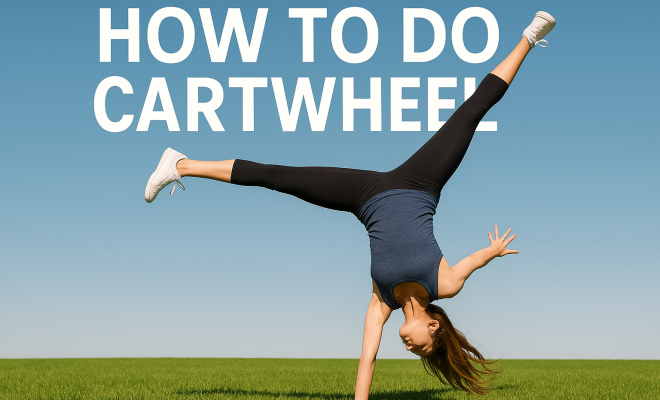
Before diving into the mechanics of how to do a cartwheel, it’s essential to understand what it is and where it comes from. The cartwheel is a gymnastic move that involves a sideways rotation of the body, making it one of the foundational skills in various sports and physical activities. It’s often seen in gymnastics, cheerleading, and acrobatics, but it can also be a fun way to impress friends at the park.
The cartwheel has historical significance dating back centuries, with roots in ancient cultures. It’s believed that variations of the move were performed as far back as ancient Greece, where acrobatics were a part of athletic training. Today, the cartwheel remains popular among children and adults alike, often serving as a stepping stone to more advanced gymnastic skills.
2. Benefits of Learning to Cartwheel
Learning how to do a cartwheel isn’t just about impressing your peers; it comes with numerous physical and mental benefits. Firstly, cartwheels improve overall body coordination. The move requires precise control of your limbs and balance, which can translate into better physical coordination in everyday activities.
Additionally, mastering the cartwheel can boost your confidence. As you practice and finally nail the move, you’ll likely feel a sense of accomplishment, which can motivate you to tackle other physical challenges. Furthermore, cartwheels are an excellent way to enhance flexibility and strength in your core, arms, and legs — all crucial components in athletics and fitness.
From a fitness perspective, cartwheels can also serve as a great cardiovascular workout. When performed correctly, this dynamic movement elevates your heart rate, contributing to overall cardiovascular health. It engages multiple muscle groups simultaneously, promoting muscular endurance and helping to develop a well-rounded physique.
Moreover, practicing cartwheels can improve your spatial awareness. As you learn to control your body in motion, you’ll develop a better understanding of your surroundings, which is particularly beneficial in team sports or activities that require quick reflexes.
3. The Proper Preparation
Before attempting a cartwheel, it’s important to prepare your body adequately. Start with a warm-up routine to increase your heart rate and loosen your muscles. Activities like jogging in place or dynamic stretches can be beneficial. Pay special attention to stretching your wrists, shoulders, and legs, as these areas will be heavily engaged during the move.
Additionally, practicing basic balance and coordination exercises can help. Simple tasks like standing on one leg or practicing handstands against a wall can build the necessary skills. If possible, find a flat and soft surface, like a gym mat or grass, to practice your cartwheel safely, reducing the risk of injury.
Incorporating mobility exercises focusing on your hips and shoulders can also be beneficial. Moves like hip circles and shoulder rolls can enhance joint flexibility, making it easier to perform a cartwheel smoothly. It’s also crucial to be mentally prepared; visualize your movements and practice breathing techniques to keep any nervous energy in check.
4. Step-by-Step Instructions: How to Do a Cartwheel
Now that you’re warmed up, let’s break down the cartwheel into manageable steps:
- Starting Position: Stand upright with your feet shoulder-width apart. Choose which side you want to rotate towards (right or left).
- Arm Position: Raise your arms above your head, keeping them straight.
- Initiate the Move: As you lean towards your chosen side, step forward with your leading foot. Your leading hand should reach towards the ground as your body begins to rotate.
- Hand Placement: Place your leading hand on the ground while your other hand follows. Your body should be in a sideways position, and you’re now in the air!
- Leg Position: As your hands touch the ground, kick your legs upward and over your head. Your body should move in a fluid arc.
- Landing: As your legs come down, prepare to land on your feet. Your trailing leg should hit the ground first, followed by your leading leg.
- Finish Strong: Stand up straight to complete the cartwheel, and balance yourself.
Practice these steps slowly at first, focusing on form and control rather than speed. As you become more comfortable, you can increase your pace and fluidity. Additionally, practicing in front of a mirror or with a friend can help you visualize and correct your form.
It can also be helpful to break the movement down into two parts: the entry (the preparation and hand placement) and the exit (the kick and landing). Mastering each segment separately can make the entire process feel more manageable.
5. Common Mistakes to Avoid
Even with practice, many beginners encounter common pitfalls when learning how to do a cartwheel. One frequent mistake is failing to place the hands properly on the ground. Ensuring that your hands are aligned with your body’s center of gravity is essential for a smooth transition. (See: Overview of gymnastics history.)
Another common error involves not kicking the legs high enough. If you don’t lift your legs adequately, you may end up tumbling instead of executing a clean cartwheel. It’s crucial to visualize the movement and practice the kicking action to get that perfect arc. Lastly, don’t forget to engage your core throughout the motion; this will help maintain balance and control.
It’s also important to avoid rushing through the move. Many beginners try to get to the landing too quickly, which can compromise form. Slow down your approach and focus on each step, ensuring that each part of your body is moving correctly. Taking the time to build a solid foundation will pay off in the long run.
Another common mistake is looking down at the ground during the cartwheel. Instead, try to keep your head up, looking forward to maintain your balance and alignment. This can also help in setting up for a smooth landing.
6. Tips for Mastering Your Cartwheel
Here are a few additional tips to help you perfect your cartwheel:
- Practice Regularly: Like any skill, regular practice is key. Set aside time each week to focus on your cartwheel.
- Use Visual Cues: Watching videos of skilled gymnasts performing cartwheels can provide valuable visual cues. Pay attention to their form, arm placement, and how they kick their legs.
- Work with a Coach: If possible, get feedback from a coach or experienced gymnast. They can provide personalized tips and corrections.
- Record Yourself: Film your attempts and review the footage. This can help you identify areas for improvement that may not be apparent in real-time.
- Use Props: If you’re struggling, consider using props like a low beam or even a line on the ground to help guide your hand placements.
- Stay Relaxed: Tension can hinder your movement. Focus on staying relaxed during the execution of the cartwheel.
- Try Spotting: Select a spot on the wall or ground to focus on while performing the cartwheel. This can help with your body alignment and balance.
7. Safety Considerations
While cartwheels are generally safe for most people, there are some precautions to keep in mind. Always perform the move in a safe environment, free from obstacles that could cause injury. If you have any pre-existing conditions or injuries, consult a healthcare professional before attempting a cartwheel.
Wearing appropriate footwear is also vital. Shoes with good grip can enhance your stability as you perform the move. Finally, if you’re practicing outdoors, ensure the ground is even and flat — a grassy area can be forgiving if you lose your balance.
Consider practicing with a spotter, especially if you’re new to the move. A friend can assist in stabilizing you as you kick your legs over, providing an extra layer of safety. Always listen to your body; if you feel pain or discomfort while practicing, take a break and reassess your form.
It’s also a good idea to practice cartwheels on soft surfaces like grass or gym mats initially. This can help cushion any falls and reduce the risk of injury as you learn the movement.
8. Beyond the Basics: Advanced Cartwheel Variations
Once you’ve mastered the traditional cartwheel, you might want to try some advanced variations. One popular option is the one-handed cartwheel, where you only use one hand to support your body during the flip. This requires greater strength and balance, making it a challenging but rewarding progression.
Another variation is the ‘cartwheel kick,’ which involves kicking one leg higher than the other during the move, adding flair and style. You can also attempt a cartwheel with a twist, where you rotate your body at the end of the move for an impressive finish. Experimenting with these variations can keep your practice sessions exciting and help you develop your skills further.
Other variations include the back handspring, which builds off the strength and coordination gained from cartwheels. This advanced move involves flipping backward into a handstand position, showcasing your progress and skill level. Always ensure you have a strong foundation before attempting these more challenging variations.
For those interested in performance, consider incorporating cartwheels into a routine or dance. This adds an artistic element to your practice and can enhance your overall gymnastic skills, making you more versatile in your movements.
9. How to Incorporate Cartwheels into Your Fitness Routine
Cartwheels can be a fun addition to your fitness routine, blending strength, flexibility, and coordination training. Consider incorporating cartwheels into a circuit that includes other bodyweight exercises, like push-ups or squats, to create a comprehensive workout.
You can also use cartwheels as a warm-up before other activities such as yoga or dance classes. They can help activate your core and prepare your body for more intense movements. Remember, the key to improvement is consistency and a positive mindset. Enjoy the process! (See: Benefits of physical activity.)
Incorporating cartwheels into interval training can also be beneficial. For instance, perform a set of cartwheels followed by a brief rest, then proceed to another exercise, creating a dynamic and engaging workout routine. This not only improves your cartwheel technique but also enhances your overall fitness level.
Consider pairing your cartwheel practice with agility drills. This can improve your speed and coordination, making the cartwheel feel more fluid and natural as part of your overall athletic skill set.
10. Common Questions About Cartwheels
1. What age is appropriate to start learning cartwheels?
Most children can begin learning cartwheels as early as 5 or 6 years old, as they typically have the physical coordination and flexibility required. However, adults can also learn, regardless of age, as long as they take proper precautions.
2. Can I practice cartwheels indoors?
Yes, but it’s crucial to have enough space and a soft surface like a mat to practice safely. Avoid practicing on hard surfaces that could lead to injury.
3. How long does it take to learn a cartwheel?
The time it takes to learn a cartwheel varies among individuals. Some may master it within a few sessions, while others might take weeks of practice. Consistency is key!
4. Should I warm up before doing a cartwheel?
Absolutely! Warming up is essential to prevent injuries and prepare your body for the physical demands of a cartwheel.
5. What should I do if I can’t get the technique right?
If you’re struggling, consider working with a coach or joining a gymnastics class. They can provide valuable feedback and guidance. Additionally, practicing with a friend can also help as they can give you immediate feedback on your form.
6. Are there any specific strength exercises to help with cartwheels?
Yes! Exercises like planks, push-ups, and shoulder taps can help build the upper body strength needed for cartwheels. Core exercises like sit-ups and leg raises can also be highly beneficial for maintaining balance and control during the move.
7. Can I injure myself while practicing cartwheels?
Like any physical activity, there is a risk of injury, especially if proper technique is not followed. To minimize this risk, ensure you’re practicing in a safe environment and listen to your body. If you experience pain or discomfort, take a break and reassess your technique.
8. What are some good warm-up exercises before cartwheels?
Dynamic stretches targeting the shoulders, wrists, and legs are ideal. Try arm circles, leg swings, and gentle wrist stretches to prepare your body.
9. Can I use a wall to help learn cartwheels?
Yes! Practicing against a wall can help reinforce proper hand placement and body positioning. It can also provide a safety net while you’re building confidence.
10. How can I make my cartwheels more stylish?
Adding flair to your cartwheels can involve variations like the cartwheel kick or incorporating a twist. You can also work on your arm positioning and landing to create a more polished finish. (See: Health benefits of physical fitness.)
11. Cartwheels in Physical Education and Training
Cartwheels are often included in physical education curricula for children because they promote physical literacy. They help build foundational motor skills that are essential as children grow and take on more complex sports and activities. By introducing cartwheels at a young age, kids can develop strength, balance, and coordination that will aid them in various athletic pursuits.
In addition to schools, many gyms and community centers offer classes focused on gymnastics, which often include cartwheels. These classes provide a structured environment where beginners can learn safely under the supervision of qualified instructors. For older children and adults, participating in gymnastics can enhance their overall fitness level and athletic capabilities.
Interestingly, cartwheels have also gained popularity in adult fitness classes like yoga and Pilates, where they are incorporated as part of warm-up routines to increase flexibility and core strength. This crossover demonstrates the versatility of the cartwheel as a movement that transcends age and fitness levels.
12. Exploring the Psychology of Learning New Skills
Learning how to do a cartwheel can also be a fascinating case study in psychology, particularly in the realms of motivation and perseverance. Many people may feel intimidated when learning a new physical skill, especially one that involves a bit of risk like a cartwheel. This fear can be exacerbated by previous experiences with failure or injury.
Setting small, achievable goals can help manage this anxiety. For instance, instead of jumping straight into executing a full cartwheel, focus on mastering the entry, then the hand placement, and gradually build up to the complete movement. Celebrating small victories along the way can significantly boost confidence and keep you motivated.
Additionally, positive self-talk plays a crucial role in mastering physical skills. Reminding yourself that it’s okay to make mistakes and that every attempt is a step toward improvement can create a more positive learning environment. Surrounding yourself with supportive peers or coaches can further enhance this positive experience, making the journey of learning to cartwheel not just about the final execution but also about personal growth.
13. Resources for Further Learning
If you’re serious about mastering the cartwheel, there are numerous resources available. Online platforms like YouTube have countless tutorials from experienced gymnasts and coaches. These videos often break down the movement in creative ways, providing diverse perspectives on technique and execution.
Books on gymnastics and acrobatics can also offer in-depth insights into form, safety, and training regimens. Furthermore, many local gymnastics clubs hold open sessions or workshops for beginners. Participating in these classes can provide hands-on experience and direct feedback from professionals.
Lastly, consider engaging with online communities and forums dedicated to gymnastics. These platforms can offer support, tips, and encouragement, allowing you to connect with others on the same journey.
“`
Trending Now
Frequently Asked Questions
What is a cartwheel and its history?
A cartwheel is a gymnastic move involving a sideways rotation of the body. It has historical roots dating back to ancient Greece, where variations were part of athletic training. Today, it remains a foundational skill in gymnastics, cheerleading, and acrobatics.
What are the benefits of learning to do a cartwheel?
Learning to cartwheel improves body coordination, enhances confidence, and boosts flexibility and strength in the core, arms, and legs. It also serves as a cardiovascular workout, engaging multiple muscle groups and promoting overall fitness.
How can I improve my cartwheel technique?
To improve your cartwheel technique, practice regularly, focus on your balance and limb control, and consider using a spotter or practicing on a soft surface. Gradually increase your confidence and strength to execute the move correctly.
Is a cartwheel easy to learn for beginners?
While a cartwheel can be challenging for beginners, with practice and proper techniques such as starting with a lunge and using your hands for support, most people can learn to do a cartwheel successfully.
What muscles does a cartwheel work?
A cartwheel engages multiple muscle groups, including the core, arms, and legs. It helps build strength, flexibility, and coordination, contributing to overall physical fitness and athletic ability.
Agree or disagree? Drop a comment and tell us what you think.