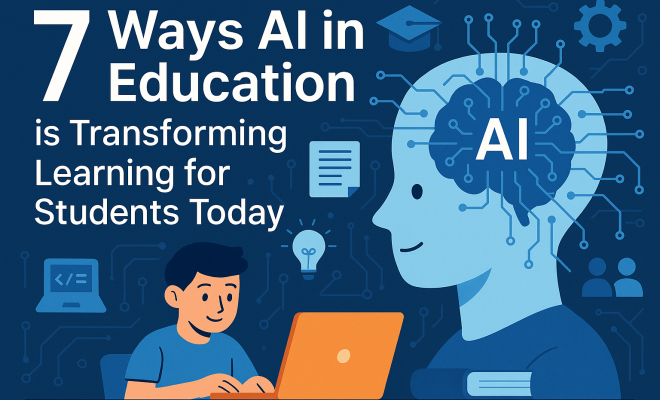
AI in Education: 7 Ways It’s Transforming Student Learning
“`html
The advent of artificial intelligence has revolutionized numerous sectors, but nowhere is its impact felt more profoundly than in education. As classrooms around the globe begin to embrace AI in education, the ways students learn, engage with material, and complete assignments are undergoing significant transformations. This shift raises critical questions about academic integrity, student dependence on technology, and the future of learning itself.
The Growing Influence of AI in Education
AI technologies are being integrated into educational systems at an unprecedented rate. From personalized learning platforms to AI-driven tutoring systems, these innovations allow educators to tailor their approaches to meet the diverse needs of their students. According to a recent report by the World Economic Forum, the use of AI in education is expected to grow by 45% over the next five years. This statistic illustrates not only a burgeoning trend but also a fundamental shift in how education is delivered.
One of the most notable changes involves the way students process information. With AI tools, students can receive real-time feedback on their performance, allowing for immediate adjustments and improvements. This personalized feedback loop helps cultivate a growth mindset, encouraging students to learn from their errors rather than shy away from them.
Personalized Learning Experiences
Personalization in education has long been a goal for educators, but it often fell short due to resource constraints and high student-teacher ratios. AI in education changes that narrative. For instance, platforms like DreamBox Learning and Smart Sparrow create adaptive learning environments that adjust the curriculum based on a student’s pace and understanding. This technology not only caters to different learning styles but also ensures that each student progresses at their own rate.
Such systems can analyze a student’s interactions and performance metrics, enabling them to identify areas that require more focus. This level of personalization ensures that students are neither bored with content that is too easy nor overwhelmed by material that is too challenging.
Enhancing Teacher Effectiveness
While the focus often remains on how AI aids students, it’s crucial to recognize its impact on teachers as well. AI tools can significantly lighten administrative burdens, giving educators more time to focus on teaching. For example, AI can help automate grading for multiple-choice tests, freeing up hours that teachers can then redirect towards lesson planning or one-on-one student interactions.
Moreover, AI can analyze student data to provide insights into classroom performance, helping educators identify trends and tailor their teaching strategies accordingly. This data-driven approach can result in more effective teaching methods, ultimately driving better student outcomes.
The Rise of AI-Driven Tutoring Services
AI in education has also led to the proliferation of tutoring services that utilize advanced algorithms to assist students. Companies like Khan Academy utilize AI to offer customized learning experiences that adapt in real-time, based on student responses. This format not only allows students to learn at their own pace but also fosters a sense of autonomy over their educational journey.
However, this raises questions about the role of traditional tutoring. Will human tutors become obsolete, or will they adapt to work alongside AI technology? The answer may lie in the fact that human interaction remains invaluable. AI can provide data and resources, but the emotional and motivational elements of teaching are something that machines cannot replicate.
The Dark Side of AI in Education
As with any technological advancement, the increasing reliance on AI in education has its downsides. One of the most pressing concerns is academic integrity. With AI tools that can generate essays or solve complex problems, the temptation for students to cheat has never been higher. In a survey conducted by the International Center for Academic Integrity, nearly 70% of students admitted to using AI-based tools to assist with their schoolwork. This alarming statistic raises significant questions about the future of learning and assessment. (See: U.S. Department of Education on AI.)
Furthermore, there’s a looming fear that over-dependence on AI could stifle critical thinking skills. Students may rely too heavily on technology to provide answers, leading to a decline in problem-solving abilities and independent thought. Educational institutions are now tasked with finding a balance: how do they incorporate AI into the learning process without compromising essential skills?
Addressing Concerns Over AI Dependency
The concern surrounding dependency on AI in education is valid, but solutions are emerging. Educators and institutions can implement strategies to mitigate these risks. For instance, promoting digital literacy is crucial. Teaching students how to critically assess AI-generated information can empower them to use these tools responsibly. Additionally, emphasizing projects that require critical thinking and creativity can help reinforce independent learning.
Moreover, educators can encourage students to use AI as a supplementary resource rather than a primary one. For example, students might be instructed to generate ideas using AI tools and then spend time developing those concepts independently. This not only enhances their skills but also builds a healthy relationship with technology.
The Future of AI in Education
The future of AI in education is both exciting and uncertain. As technology continues to evolve, educators will need to adapt their methods and curricula to harness its potential fully. This may involve integrating more AI-driven assessments that measure not just knowledge, but also skills like creativity and collaboration.
Additionally, the role of educators will likely transform. Teachers may become facilitators of learning experiences, guiding students in using AI tools effectively. This shift could lead to a more collaborative and innovative learning environment, where students are empowered to take charge of their education.
Practical Steps for Educators
For educators looking to integrate AI in their classrooms, a few practical steps can help ease the transition:
- Start Small: Begin with a single AI tool or platform that complements your existing curriculum. This allows you to assess its effectiveness without overwhelming yourself or your students.
- Provide Training: Ensure both teachers and students receive adequate training on the AI tools being introduced. Familiarity will lead to more effective use.
- Encourage Ethical Use: Develop guidelines around the use of AI, emphasizing the importance of integrity and responsible usage.
- Continuously Assess: Regularly evaluate the effectiveness of AI tools in your classroom. Solicit feedback from students and adjust your methods accordingly.
AI in Education: Real-World Examples
To better understand the impact of AI in education, let’s look at some real-world applications that illustrate its effectiveness and potential. One noteworthy example is the use of AI by the Georgia Institute of Technology, where an AI teaching assistant named Jill Watson assists professors by answering routine student queries. This system not only helps manage the workload of faculty but also ensures students receive timely responses, enhancing their learning experience.
Another significant case is that of Carnegie Learning, which utilizes AI to transform math education. Their MATHia software personalizes the learning path for each student, adjusting the difficulty of problems based on the learner’s input. This approach has led to significant improvements in student engagement and overall performance, showcasing how AI can effectively support traditional educational practices.
Statistics on AI Usage in Education
Recent studies and surveys provide valuable insights into the current landscape of AI in education. According to a report from the International Data Corporation (IDC), spending on AI in education is projected to reach over $6 billion by 2024. This growing investment underscores the belief that AI can significantly enhance learning outcomes.
Additionally, a survey conducted by McKinsey revealed that over 50% of educators believe AI will be instrumental in shaping the way learning occurs in the next decade. These statistics indicate a strong consensus among educators that embracing AI could be beneficial for both teaching and learning processes.
Expert Perspectives on AI in Education
Experts in the field of education and technology have varying opinions on the role of AI in shaping the future of learning. Dr. Ken Robinson, an education reform advocate, emphasizes the importance of human interaction in education, suggesting that while AI can aid learning, it cannot replace the human elements that foster creativity and critical thinking. (See: New York Times article on AI in education.)
On the other hand, Dr. Rose Luckin, an AI education researcher, argues that AI can be a powerful tool when used correctly. She explains that AI systems are not just machines but can be designed to support and enhance human intelligence. Luckin advocates for a balanced approach where AI complements the educator’s role rather than attempting to replace it.
Challenges of Implementing AI in Schools
Despite the potential benefits, the integration of AI in education faces several challenges. One of the most significant hurdles is the lack of infrastructure in many schools, particularly in underfunded areas. Many institutions may lack the necessary technology or training to effectively implement AI tools.
Additionally, there are concerns regarding data privacy. The use of AI involves collecting vast amounts of student data, raising questions about how this information is stored and used. Schools must ensure that they adhere to privacy laws and ethical standards when leveraging AI technologies.
AI and Inclusion: Bridging Educational Gaps
Another vital aspect of AI in education is its potential to bridge gaps for students with disabilities or those who require additional support. AI-driven tools can provide tailored interventions that cater to individual learning needs. For example, speech recognition technology can assist students with writing difficulties, enabling them to express their ideas verbally instead of struggling with the mechanics of writing.
Research has shown that AI can help identify learning disabilities early on through data analysis, allowing educators to implement support strategies sooner rather than later. This proactive approach can make a significant difference in students’ educational experiences, ensuring that all learners have access to the resources they need to succeed.
Preparing Students for an AI-Driven Future
As AI becomes more ingrained in society, it’s essential to prepare students not just to use AI tools, but to understand their implications and applications. Integrating AI literacy into the curriculum can empower students to navigate the complexities of an AI-enhanced world. This includes teaching them about ethics in AI, data privacy, and the societal impacts of automation.
For instance, incorporating projects that allow students to create their AI models can demystify technology and foster creativity. By actively engaging with AI, students can develop a more profound understanding of its possibilities and limitations, preparing them for future careers in an increasingly automated workforce.
FAQ: Common Questions About AI in Education
What is AI in education?
AI in education refers to the use of artificial intelligence technologies to enhance teaching and learning processes. This can include personalized learning platforms, AI-driven tutoring systems, and data analytics to improve educational outcomes.
How does AI personalize learning?
AI personalizes learning by analyzing individual student data and adapting educational content based on their performance, learning pace, and engagement level. This allows each student to receive a tailored learning experience that meets their unique needs.
Are there any risks associated with AI in education?
Yes, there are risks, including concerns over academic integrity, data privacy, and the potential for students to become overly dependent on technology rather than developing critical thinking skills. Balancing AI usage with traditional educational values is essential.
Can AI replace teachers?
While AI can assist in many educational tasks, it cannot replace the human elements of teaching, such as emotional support, motivation, and fostering creativity. AI should be viewed as a tool to enhance, not replace, the teaching experience.
What are some examples of AI tools used in education?
Examples of AI tools in education include platforms like DreamBox Learning, Carnegie Learning, and the AI teaching assistant Jill Watson at Georgia Tech. These tools offer personalized learning experiences and automate administrative tasks for educators.
How can educators ensure ethical use of AI?
Educators can establish clear guidelines for using AI, focusing on responsible practices and academic integrity. Teaching students about the ethical implications of AI technology and monitoring their use can help create a culture of responsibility.
What role will AI play in future educational assessments?
In the future, AI may play a central role in assessments by providing insights into student learning beyond traditional tests. AI can help create dynamic assessments that adapt to a student’s responses, measuring their skill levels more accurately and holistically.
Conclusion: Embracing AI in Education
The integration of AI in education presents both challenges and opportunities. While there are valid concerns regarding academic integrity and dependency, the potential benefits of personalized learning experiences and enhanced teacher effectiveness cannot be overlooked. As educators, students, and institutions navigate this new landscape, it’s essential to approach AI with a balanced perspective, focusing on how to leverage its strengths while safeguarding fundamental educational values.
Ultimately, the conversation about AI in education is far from over. As technology continues to evolve, so will our understanding of its role in enhancing learning experiences for students. Embracing this change thoughtfully can lead to a richer, more effective educational landscape for all.
“`
Trending Now
Frequently Asked Questions
How is AI transforming education?
AI is transforming education by personalizing learning experiences, providing real-time feedback, and enabling adaptive learning platforms. These technologies allow educators to tailor their approaches to meet diverse student needs, fostering a more engaging and effective learning environment.
What are the benefits of AI in the classroom?
The benefits of AI in the classroom include personalized learning experiences, immediate feedback for students, and adaptive learning systems that cater to individual learning styles. This leads to improved student engagement and better academic outcomes.
What role does AI play in personalized learning?
AI plays a crucial role in personalized learning by analyzing student performance and adjusting curricula based on their pace and understanding. This allows each student to progress at their own rate, enhancing their learning experience.
Is AI making students dependent on technology?
While AI enhances learning, it raises concerns about student dependence on technology. Educators must balance AI integration with traditional teaching methods to ensure students develop critical thinking and problem-solving skills.
What is the future of AI in education?
The future of AI in education looks promising, with expected growth of 45% in the next five years. Innovations in AI will continue to shape how education is delivered, making it more personalized and efficient for students worldwide.
What did we miss? Let us know in the comments and join the conversation.