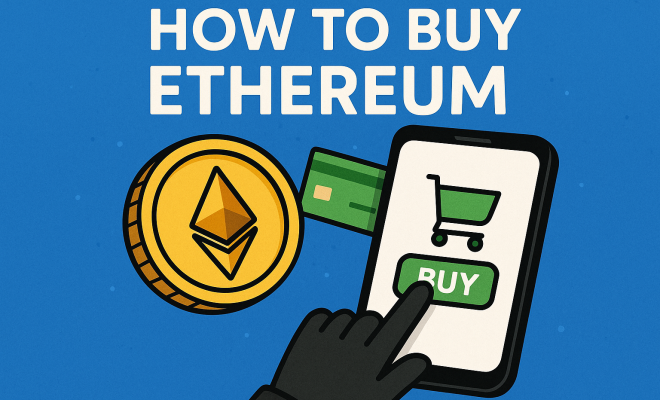
How to buy Ethereum
“`html
As digital currencies gain traction in the financial world, many investors are considering how to buy Ethereum. This popular cryptocurrency, renowned for its smart contract functionality and robust platform for decentralized applications (dApps), is often regarded as one of the key players in the crypto space. Whether you’re a seasoned crypto enthusiast or a curious newcomer, understanding how to navigate the process of buying Ethereum is crucial. In this comprehensive guide, we’ll break down everything you need to know to make informed decisions on purchasing Ethereum.
1. Understanding Ethereum: A Brief Overview
Before diving into the how-to of purchasing Ethereum, it’s essential to grasp what Ethereum actually is. Launched in 2015 by Vitalik Buterin and a team of developers, Ethereum is more than just a cryptocurrency. It acts as a platform for decentralized applications (dApps) and smart contracts, allowing developers to create applications that run on a blockchain without third-party interference.
Ethereum’s native currency, Ether (ETH), is used to power the network and facilitates transactions. Unlike Bitcoin, which primarily serves as a digital currency, Ethereum’s versatility allows it to be a foundational technology for many new innovations in finance, gaming, and beyond. With Ethereum 2.0 on the horizon, the network aims to enhance scalability and sustainability, making now an exciting time to consider how to buy Ethereum.
2. Why Buy Ethereum?
Investing in Ethereum comes with several advantages that appeal to a broad audience. First, the potential for high returns has drawn many investors to Ethereum. Historically, its value has seen significant growth, drawing attention from both retail and institutional investors alike. For example, Ethereum’s price surged from under $10 in 2016 to over $4,000 in 2021.
Moreover, Ethereum is not just a speculative asset. Its underlying technology supports a growing ecosystem of dApps and decentralized finance (DeFi) projects, which are gaining meaningful traction. This growth can potentially bolster the long-term value of Ether. Additionally, Ethereum has an active community of developers and a growing number of use cases, which can provide further confidence for those looking to buy Ethereum.
3. Choosing the Right Platform to Buy Ethereum
When you’re ready to buy Ethereum, selecting a suitable platform is one of the most crucial steps. There are several types of platforms to consider: cryptocurrency exchanges, brokerage services, and peer-to-peer platforms. Each has its pros and cons.
- Cryptocurrency Exchanges: These are popular platforms like Coinbase, Binance, and Kraken that allow users to trade various cryptocurrencies. They typically offer lower fees than other options but may require more technical knowledge.
- Brokerage Services: Platforms such as eToro or Robinhood simplify the purchasing process, making it more accessible for beginners. However, they might charge higher fees and could limit your ability to transfer ETH to your wallet.
- Peer-to-Peer Platforms: Services like LocalBitcoins allow you to buy Ethereum directly from other users. This can provide more flexibility in terms of payment methods, but it requires caution to avoid scams.
Ultimately, the choice of platform will depend on your level of expertise, desired features, and fees.
4. Setting Up Your Cryptocurrency Wallet
Once you decide on a platform, the next step is to set up a cryptocurrency wallet. A wallet is essential for securely storing your Ether. There are various types of wallets available, each with different security measures and ease of use.
- Hot Wallets: These are online wallets that are easy to set up. They are typically provided by exchanges and are convenient for frequent trading but are more vulnerable to hacks.
- Cold Wallets: These are offline wallets like hardware wallets (e.g., Ledger or Trezor) or paper wallets. While they require a bit more effort to set up, they offer enhanced security for your Ether.
Regardless of the type you choose, always ensure you back up your wallet and keep your private keys safe. Losing access to your wallet means losing your Ether.
5. Buying Ethereum: Step-by-Step Process
Now that you have your wallet set up and a platform chosen, let’s walk through the actual process of buying Ethereum. (See: Overview of Ethereum on Wikipedia.)
- Create Account: Sign up for your chosen platform. This usually involves providing personal information and verifying your identity.
- Deposit Funds: You’ll need to deposit money into your account. Most platforms accept bank transfers, credit cards, or even PayPal, though fees may vary.
- Choose Ethereum: Once your account is funded, navigate to the trading section and select Ethereum.
- Place Your Order: You can place a market order (buying at the current price) or a limit order (setting your own price). Review the transaction details carefully.
- Store Your ETH: After purchasing, transfer your Ethereum to your wallet for safe-keeping.
By following these steps, you’ll successfully buy Ethereum and be one step closer to participating in the exciting world of cryptocurrency.
6. Understanding the Risks Involved
Investing in Ethereum is not without its risks. As with any asset, the value of Ether can be highly volatile. For instance, Ethereum’s price can fluctuate drastically within a single day. Understanding market trends, news events, and technological advancements can help mitigate some of these risks, but there’s no surefire way to predict price movements.
Additionally, security risks such as hacking and scams pose significant threats to investors. Always conduct thorough research on the platforms you choose and enable two-factor authentication (2FA) on your accounts. It’s also wise to use a cold wallet for long-term storage of your Ether.
7. Keeping Up with Ethereum Trends and Developments
The world of Ethereum is constantly evolving, so staying informed is key. Follow reputable news sources, join online communities like Reddit or Discord, and engage with Ethereum-focused podcasts to keep your knowledge current. Understanding upcoming upgrades, such as Ethereum 2.0, which aims to transition the network from a proof-of-work to a proof-of-stake model for improved energy efficiency, can influence your investment decisions.
Additionally, keep an eye on regulatory changes, as these can have far-reaching effects on the market. The landscape of cryptocurrency regulation is shifting rapidly, and being aware of these changes can position you better for future opportunities.
8. Ethereum’s Role in Decentralized Finance (DeFi)
One of the most compelling reasons to buy Ethereum is its central role in the burgeoning decentralized finance (DeFi) movement. DeFi platforms leverage Ethereum’s smart contracts to create financial products and services that are accessible to anyone with an internet connection. This includes lending, borrowing, trading, and earning interest on crypto assets without the need for traditional banks.
As of late 2023, the total value locked (TVL) in DeFi applications built on Ethereum exceeds $100 billion. This is a substantial increase from just a few billion dollars a couple of years ago, showcasing the growing interest and participation in DeFi. Platforms like Aave, Uniswap, and Compound are just a few examples of how Ethereum is at the forefront of this financial revolution.
For investors, buying Ethereum can be seen as a way to gain exposure to the entire DeFi ecosystem, which continues to innovate and expand rapidly. Understanding how these platforms work can provide deeper insights into the potential value of ETH as more users participate in DeFi.
9. Analyzing Ethereum Price Trends
When considering when and how to buy Ethereum, analyzing price trends can be incredibly beneficial. Historical data shows that Ethereum has experienced several bull and bear markets, often influenced by broader market trends and technological advancements.
For instance, in mid-2021, Ethereum reached an all-time high of over $4,000, driven in part by a surge in DeFi activity and the popularity of non-fungible tokens (NFTs), which also leverage the Ethereum network. However, the price subsequently dipped, showcasing the volatility inherent in cryptocurrency markets.
As of 2023, analysts suggest that Ethereum’s price may remain volatile but could also see new highs as upgrades to the network improve scalability and efficiency. Keeping an eye on these trends, as well as major news events, can help you make well-timed purchases.
10. Expert Perspectives on Buying Ethereum
Many financial experts and analysts provide insights on the future of Ethereum and its potential as an investment. For example, prominent investors have drawn parallels between Ethereum and early internet companies, suggesting that Ethereum has the potential to grow significantly as more use cases are developed. (See: New York Times article on Ethereum.)
Market analysts often emphasize the importance of diversifying your portfolio. They suggest that while Ethereum is a strong contender, it should ideally represent a portion of a well-rounded investment strategy that includes various asset classes. Understanding your risk tolerance and investment timeframe is essential in these discussions.
Moreover, experts encourage potential buyers to educate themselves continually about the evolving landscape of blockchain technology and cryptocurrencies. This knowledge can help in making informed decisions and mitigating risks associated with volatility.
11. Frequently Asked Questions (FAQ)
Q: Is it safe to buy Ethereum?
A: While buying Ethereum can be safe, it depends on the platform you choose and the security measures you implement. Always use reputable exchanges and wallets, enable two-factor authentication, and be cautious of scams.
Q: Can I buy a fraction of Ethereum?
A: Yes, Ethereum is divisible, and you can buy a fraction of an ETH. This means you can invest any amount, whether it’s $10 or $10,000, depending on the price at the time of purchase.
Q: What payment methods can I use to buy Ethereum?
A: Most platforms accept various payment methods, including bank transfers, credit cards, PayPal, and sometimes even cryptocurrencies. However, fees may vary based on the method you choose.
Q: How can I sell my Ethereum after buying it?
A: Selling Ethereum is relatively straightforward. You can go back to the platform where you purchased it and choose to sell your ETH for fiat currency or swap it for another cryptocurrency. Always review the transaction fees before proceeding.
Q: What tax implications should I be aware of when buying Ethereum?
A: Tax implications vary by country. In many regions, cryptocurrencies are treated as assets, and selling them may incur capital gains taxes. It’s essential to keep records of your transactions and consult a tax professional to understand your obligations.
Q: What happens if I lose access to my Ethereum wallet?
A: If you lose access to your Ethereum wallet and do not have a backup of your private keys or recovery phrase, you will likely lose access to your funds permanently. Always ensure you back up your wallet securely.
12. Exploring Ethereum’s Ecosystem
The Ethereum ecosystem is vast and diverse, encompassing not only the cryptocurrency itself but also a variety of applications and platforms. Understanding this ecosystem can help you appreciate the wider utility of Ethereum, which can influence your decision to buy Ethereum.
Ethereum serves as the backbone for numerous sectors, including: (See: CDC resource on cryptocurrency.)
- Decentralized Applications (dApps): These applications run on the Ethereum blockchain, utilizing its smart contract functionality. Popular dApps include games, social networks, and marketplaces.
- Non-Fungible Tokens (NFTs): Ethereum has become a leader in the NFT space, enabling unique digital assets to be bought, sold, and traded. This has opened new avenues for artists and creators.
- Decentralized Autonomous Organizations (DAOs): Ethereum supports DAOs, which are member-owned communities without centralized leadership. These organizations operate based on smart contracts, allowing for decentralized governance.
Investing in Ethereum can therefore provide you with exposure to these emerging sectors, as they continue to grow and evolve.
13. Comparative Analysis: Ethereum vs. Other Cryptocurrencies
When considering whether to buy Ethereum, it’s helpful to compare it to other prominent cryptocurrencies. While Bitcoin is often referred to as digital gold, Ethereum is frequently described as the digital oil that powers the crypto economy.
Here are some key differences between Ethereum and Bitcoin:
- Use Case: Bitcoin was primarily created as a digital currency, while Ethereum was designed as a platform for building decentralized applications. This fundamental difference shapes their respective ecosystems.
- Transaction Speed: Ethereum typically processes transactions faster than Bitcoin, which can be beneficial for users who want to execute trades or transactions quickly.
- Smart Contracts: Ethereum’s ability to run smart contracts gives it a unique advantage in creating decentralized finance applications and various other use cases, which Bitcoin does not support.
- Supply Mechanics: Bitcoin has a capped supply of 21 million coins, while Ethereum has no hard cap, allowing for potential inflation over time.
This comparison highlights Ethereum’s strengths and its position in the cryptocurrency market, making it an attractive option for those looking to diversify their portfolios.
14. Future of Ethereum: Trends to Watch
The future of Ethereum appears promising, with several key trends that could shape its trajectory.
- Ethereum 2.0 Rollout: The transition to Ethereum 2.0 is a major event that aims to enhance the network’s scalability, security, and energy efficiency. It’s expected to attract more developers and users, potentially increasing demand for ETH.
- Interoperability: As various blockchains seek to communicate with one another, Ethereum’s position as a foundational layer may provide it with a competitive advantage in bridging different ecosystems.
- Growing Institutional Adoption: As larger financial institutions begin to explore and adopt Ethereum-based technologies, this could lead to greater legitimacy and use of ETH, driving up demand.
- Continued DeFi and NFT Growth: The expansion of DeFi platforms and the NFT market indicates a growing reliance on the Ethereum blockchain for innovative financial solutions and creative digital assets.
These trends suggest that the potential for Ethereum’s growth could be substantial, making now an opportune time to consider buying Ethereum.
In summary, buying Ethereum is an accessible but multifaceted process that requires careful consideration, research, and a commitment to security. By understanding the ins and outs of the process, you’ll be well-prepared to navigate the exciting and sometimes unpredictable journey of investing in this dynamic cryptocurrency.
“`
Trending Now
Frequently Asked Questions
What is Ethereum and how does it work?
Ethereum is a decentralized platform that enables developers to build and deploy smart contracts and decentralized applications (dApps). Its native currency, Ether (ETH), powers the network and facilitates transactions. Unlike Bitcoin, Ethereum offers versatile functionality, making it a foundation for various innovations in finance and technology.
Why should I invest in Ethereum?
Investing in Ethereum can offer high returns due to its historical price growth and increasing adoption. Its robust technology supports a thriving ecosystem of dApps, attracting both retail and institutional investors. With upcoming upgrades like Ethereum 2.0, it aims to enhance scalability, making it a compelling investment opportunity.
How can I buy Ethereum?
To buy Ethereum, you need to create an account on a cryptocurrency exchange, complete identity verification, and fund your account. Once funded, you can place an order to purchase Ether (ETH) using your preferred payment method. It's important to research exchanges for security and fees before making a purchase.
What are smart contracts in Ethereum?
Smart contracts are self-executing contracts with the terms directly written into code. In Ethereum, they facilitate automatic execution of agreements without intermediaries, ensuring trust and efficiency. This functionality is a key feature of Ethereum, enabling a wide range of decentralized applications.
What is Ethereum 2.0 and why is it important?
Ethereum 2.0 is an upgrade aimed at improving the network's scalability, security, and sustainability. It transitions Ethereum from a proof-of-work to a proof-of-stake consensus mechanism, which reduces energy consumption and increases transaction throughput. This upgrade is crucial for supporting the growing demand for dApps and enhancing user experience.
What did we miss? Let us know in the comments and join the conversation.