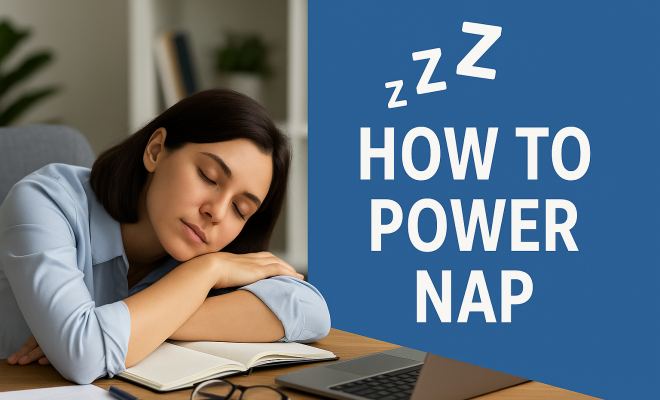
How to power nap
“`html
1. Understanding Power Naps
Power naps aren’t just a luxury for the lazy; they’re a scientifically-backed method for enhancing productivity and mental clarity. Defined as short sleeps that can last anywhere from 10 to 30 minutes, these naps are designed to recharge your body and mind without causing grogginess. The concept emerged in the 20th century, gaining traction among busy professionals and students looking for quick ways to refresh their mental state.
Research shows that a brief period of sleep can enhance alertness, improve mood, and boost cognitive performance. The National Sleep Foundation suggests that a power nap can be especially effective if taken during the mid-afternoon slump, typically between 1 PM and 3 PM. This is when our bodies naturally start to feel tired, making it an ideal time to recharge.
2. The Science Behind Power Naps
So, why do power naps work? The key lies in the stages of sleep. A complete sleep cycle consists of several phases, including light sleep, deep sleep, and REM sleep. Power naps focus primarily on the lighter stages, with the goal of avoiding the deeper stages where waking up can lead to sleep inertia—a feeling of grogginess that can last for hours.
According to a study published in the journal Sleep, a 20-minute nap can boost your alertness for up to 4-6 hours. Additionally, the sleep that occurs during this brief period can improve memory retention and cognitive function. This is particularly useful for those needing a quick mental refresh, such as students before an exam or professionals during a long workday.
3. Optimal Power Nap Duration
The duration of your power nap plays a crucial role in its effectiveness. While it may be tempting to snooze for an hour or more, this often leads to waking up during deeper sleep stages, leaving you more tired than before. Experts recommend keeping your naps between 10 to 30 minutes.
A 10-20 minute nap can enhance alertness and performance without entering deep sleep. For those looking for additional recovery, a 30-minute nap can provide cognitive benefits but may risk some grogginess upon waking. Experimenting with different lengths can help you determine what works best for your body.
4. Best Techniques for Taking a Power Nap
To maximize the benefits of power naps, consider adopting these effective techniques:
- Create a comfortable environment: Dim lighting and a quiet space can significantly enhance your ability to relax and fall asleep quickly. If possible, use a sleep mask and earplugs to block out distractions.
- Set an alarm: To avoid oversleeping, set an alarm for your desired nap duration. This helps you stay within the optimal time window for a power nap.
- Practice deep breathing: Engage in deep breathing exercises before napping to calm your mind and prepare your body for rest.
5. Ideal Timing for Power Naps
Timing is everything when it comes to power naps. Taking a nap too late in the day can interfere with your nighttime sleep. The best time to nap is generally in the early afternoon. This aligns with the body’s natural circadian rhythms and can counteract the post-lunch dip in energy that many people experience.
A study conducted by NASA found that a short nap of about 10 minutes can enhance performance and alertness in individuals who are sleep-deprived. Therefore, consider integrating a power nap into your daily routine, especially if you know you’ll have a long day ahead.
6. Benefits of Power Naps
The advantages of power naps extend beyond immediate alertness. They can improve memory retention, creativity, and even cardiovascular health. Some studies suggest that regular napping can decrease the risk of heart disease and improve overall well-being. (See: CDC's sleep health resources.)
Moreover, power naps can enhance emotional regulation. A brief period of rest allows your brain to reset, which can help you manage stress and anxiety more effectively. This emotional boost can be crucial for both personal and professional environments.
7. Common Myths About Power Naps
Despite their benefits, power naps are often misunderstood. One common myth is that napping indicates laziness or lack of ambition. On the contrary, many successful figures, including Einstein and Leonardo da Vinci, incorporated napping into their daily routine. Additionally, some believe that napping disrupts nighttime sleep, but research shows that a well-timed power nap can actually enhance nighttime rest.
Another misconception is that naps should always be long. As discussed earlier, brief naps can be just as effective, if not more so, than longer ones. Awareness of these myths can help create a more accepting view of napping in society.
8. Implementing Power Naps in Your Routine
Integrating power naps into your daily schedule can be easier than you think. Start by identifying a time slot where you can consistently take a short break, whether during lunch or mid-afternoon. Communicate with your colleagues or family about your intention to nap so they can respect your rest time.
Experiment with the techniques discussed, adjusting your environment and duration as you see fit. Keep a journal to track how different napping strategies affect your energy levels, mood, and productivity. Over time, you’ll find the perfect power nap routine that enhances your daily performance.
9. Power Nap Techniques: Tips for Success
To enhance your napping experience, here are some additional techniques to consider:
- Mindful Transition: Before lying down, take a moment to transition your mind from work to relaxation. Visualize a peaceful setting or engage in a quick mindfulness exercise to prepare for rest.
- Use a Nap App: There are numerous apps available designed to help you nap effectively. They often include soothing sounds, guided meditations, or reminders to help you establish a routine.
- Hydration and Nutrition: Being well-hydrated and nourished can help facilitate restful naps. Avoid heavy meals right before napping, as they can make you feel sluggish.
- Physical Activity: Incorporating light physical activity before your nap can help elevate your heart rate, making it easier to fall asleep. Stretching or a quick walk can do the trick.
10. The Impact of Power Naps Across Different Professions
Power naps have been embraced across various professions, illustrating their versatility. For instance, in the tech industry, we’ve seen companies like Google promote napping areas in their offices, recognizing the benefits of enhanced creativity and productivity. Tech employees engaged in high-stress tasks often report that quick naps help them reset their focus and problem-solving abilities.
In the medical field, particularly among doctors and nurses dealing with long shifts, power naps can be lifesavers. Studies have shown that healthcare professionals who take short naps are less prone to errors and better equipped to handle the demands of their roles. Hospitals have even started to create designated nap spaces for staff to enhance well-being and job performance.
Similarly, educators and students have started to recognize the value of power naps in fostering learning and retention. Many schools are experimenting with incorporating short nap breaks into their schedules, acknowledging that well-rested students are more engaged and better learners. Research from the Journal of Educational Psychology suggests that naps can significantly improve academic performance, especially among adolescents.
11. Statistics on Power Naps
Recent studies highlight the growing recognition of power naps’ effectiveness. According to a survey by the National Sleep Foundation, approximately 30% of adults reported taking regular naps, and among them, 50% claimed that it improved their productivity at work. Furthermore, a meta-analysis published in the Journal of Clinical Psychology found that individuals who incorporated napping into their routines experienced a 20% increase in overall performance metrics compared to those who did not. (See: Study on napping and alertness.)
In corporate environments, a study conducted by the University of California showed that employees who took regular power naps reported a 15% increase in job satisfaction. This statistic indicates that well-rested employees are not only more productive but also more engaged and happier in their work environments.
12. Power Naps Around the World
Power napping is a global phenomenon, with different cultures embracing naps in unique ways. In Spain, for instance, the siesta is a traditional midday break where many businesses close down for a couple of hours. This practice aligns closely with the country’s lifestyle and climate, allowing individuals to rest when temperatures peak.
In Japan, the practice of “inemuri,” which translates to “sleeping while present,” showcases a cultural acceptance of napping in public spaces. It’s common to see office workers catching a quick nap at their desks, a practice that is not frowned upon but rather seen as a sign of dedication to their work.
In contrast, some Nordic countries have adopted power naps as part of their work culture, with many companies providing designated nap rooms. This trend acknowledges the link between well-rested employees and increased innovation and problem-solving capabilities.
13. Frequently Asked Questions About Power Naps
What’s the ideal time for a power nap?
The best time for a power nap is typically in the early afternoon, between 1 PM and 3 PM. This aligns with the natural dip in energy many experience after lunch.
Can power naps help with insomnia?
While power naps can provide short-term relief from fatigue, they are not a substitute for a full night’s sleep. If you suffer from chronic insomnia, it’s important to consult a healthcare professional for advice tailored to your specific situation.
Is it possible to nap too much?
Yes, excessive napping can lead to disruptions in your nighttime sleep cycle. It’s best to keep naps to a maximum of 30 minutes to avoid negatively impacting your regular sleep routine.
Are there any negative effects of power napping?
For some, napping can lead to sleep inertia, especially if you wake up from a deeper sleep. This can leave you feeling groggier than before. Setting a timer and sticking to shorter nap durations can help mitigate this effect.
How can I tell if a power nap is beneficial for me?
Track your energy levels, mood, and productivity before and after naps. If you notice a marked improvement in these areas, it’s a strong indication that power napping is working for you.
14. Power Nap Techniques for Better Sleep Quality
While power naps can be highly effective, pairing them with good sleep hygiene can further enhance their benefits. Here are several power nap techniques that can boost your sleep quality:
- Limit Caffeine Intake: Consuming caffeine too close to your nap time can hinder your ability to fall asleep quickly. Try to avoid caffeine at least four hours before you intend to nap.
- Mindfulness and Relaxation Techniques: Activities like yoga or meditation prior to napping can help calm your mind and body. This makes it easier to fall asleep quickly and maximize the benefits of your power nap.
- Aromatherapy: Using essential oils, such as lavender or chamomile, can create a calming atmosphere conducive to rest. A few drops on your pillow or a diffuser in the room can promote relaxation.
- Gradual Awakening: When your alarm goes off, take a few minutes to wake up gently. Stretch, take deep breaths, and allow your body to adjust before jumping back into your tasks.
15. Understanding the Relationship Between Power Naps and Circadian Rhythms
Our bodies operate on an internal clock known as the circadian rhythm, which regulates sleep-wake cycles. Understanding this rhythm can help you optimize your napping strategy. The ideal power nap should align with your natural fluctuations in energy. Most people experience a natural dip in alertness in the early afternoon, making it an ideal time for a short snooze.
Pay attention to how you feel throughout the day. If you find yourself consistently feeling drowsy at a specific time, consider scheduling your naps accordingly. This alignment with your circadian rhythm can lead to more refreshing naps and better overall energy management.
16. Power Naps for Different Age Groups
The benefits of power naps can vary across different age groups. For children and teenagers, short naps can significantly enhance cognitive performance and mood. Studies have shown that school-aged children who nap tend to perform better academically and have improved behavior.
For adults, power naps can help mitigate the effects of sleep deprivation, especially in high-demand careers. Seniors, on the other hand, may find that napping helps alleviate feelings of fatigue that can accompany aging. However, it’s essential for older adults to be mindful of how napping affects their nighttime sleep quality.
17. Conclusion: Recharging for Success
In a world that often glorifies busyness, power naps offer a refreshing perspective on productivity. By understanding and implementing these techniques, you can transform the way you approach energy management. Whether you’re a student looking to ace your exams or a professional aiming to boost your performance, incorporating power naps into your routine can help you achieve your goals.
Power nap techniques not only enhance immediate alertness but also contribute to long-term health benefits. Embrace the power of a good nap, and you’ll likely find yourself more energized and focused than ever before.
“`
Trending Now
Frequently Asked Questions
What is a power nap?
A power nap is a short sleep lasting between 10 to 30 minutes, designed to recharge your body and mind without causing grogginess. It's a scientifically-backed method to enhance productivity and mental clarity, particularly effective during the mid-afternoon slump.
How long should a power nap be?
Experts recommend keeping power naps between 10 to 30 minutes. A 10-20 minute nap is ideal for boosting alertness and performance without entering deeper sleep stages, which can lead to grogginess upon waking.
When is the best time to take a power nap?
The best time to take a power nap is typically between 1 PM and 3 PM, during the mid-afternoon slump when our bodies naturally feel tired. This timing can help recharge your energy and improve mental clarity.
What are the benefits of power naps?
Power naps can enhance alertness, improve mood, and boost cognitive performance. Research shows that a brief nap can increase alertness for up to 4-6 hours and improve memory retention, making it especially useful for students and professionals.
Why do power naps work?
Power naps work by focusing on the lighter stages of sleep, avoiding deeper stages where waking can cause sleep inertia. This brief period of sleep can refresh your mind and improve cognitive function, making it effective for quick mental boosts.
Have you experienced this yourself? We’d love to hear your story in the comments.