Revealed: How Food Insecurity Is Devastating Our Mental Health and Challenging Dietary Norms
“`html
Understanding Food Insecurity
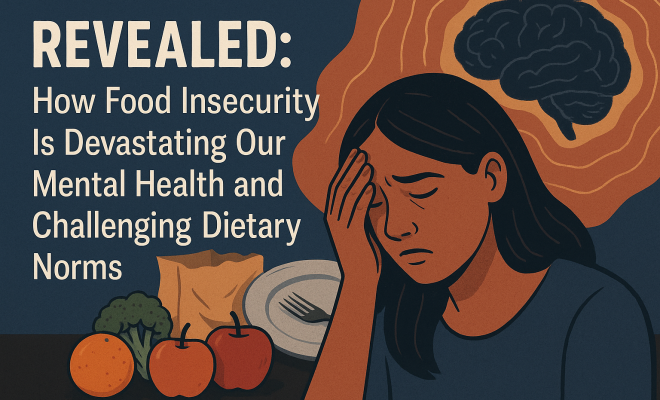
Food insecurity isn’t just about not having enough food on the table; it extends into various facets of life and can significantly affect mental health. According to a recent qualitative study published in BMJ Nutrition, Prevention & Health, food insecurity is intricately linked to dieting-related mental distress. Researchers emphasize that the problem is not just about individual choices or willpower; it’s a systemic issue that calls for a reevaluation of how we approach nutrition and health.
The Study’s Findings
In the paper titled, “We treat the symptom, not the system,” the authors conducted interviews and gathered narratives from individuals grappling with food insecurity. Their findings paint a complex picture of how lack of access to nutritious food can lead to mental health challenges, including anxiety, depression, and low self-esteem, specifically related to dieting and body image.
The study reveals that many participants felt stigmatized by society’s perception of food choices and weight management. They often found themselves in a tug-of-war between wanting to adhere to societal standards of health and the harsh realities of their financial situations. This disconnect underscores the importance of viewing food insecurity through a broader lens than just personal failure or lack of discipline.
Framing Food Insecurity as a Systems Problem
The researchers argue that the dilemma of food insecurity and the resultant mental distress should be approached as a systems problem. They contend that current health interventions often focus solely on individual behavior, neglecting the larger social and economic factors at play. The study mentions that this neglect leads to ineffective dietary advice, particularly when aimed at those struggling with food insecurity.
By framing it as a systemic issue, the authors advocate for a shift in how health professionals, policymakers, and educators approach nutrition. Rather than just prescribing diets or suggesting food swaps, there should be a concerted effort to improve the underlying structures that contribute to food insecurity.
Food Insecurity and Mental Health: A Vicious Cycle
The relationship between food insecurity and mental health is cyclical. Those who experience food insecurity often suffer from increased mental distress, which can, in turn, exacerbate their food situation. A lack of nutritious food can lead to physical health issues, creating a feedback loop that is difficult to escape.
Participants in the study reported feelings of helplessness and frustration. Many believed they were constantly compromising their mental and physical health due to financial constraints, leading them to restrict their food intake or diet in unhealthy ways. This struggle is not just personal; it highlights the societal failure to address the root causes of food insecurity.
The Role of Stigma
Stigma surrounding food choices and body image plays a significant role in how individuals cope with food insecurity. The study illustrates how many participants felt judged when they couldn’t adhere to popular diet trends or when they resorted to cheaper, less nutritious food options. This stigma not only affects personal self-esteem but also leads to further isolation.
Many individuals expressed that the pressure to conform to societal standards of health made their situations worse. Instead of feeling supported, they often felt ashamed, leading to mental health deterioration. This stigma must be addressed comprehensively in public health discussions to create an inclusive dialog around food accessibility and mental well-being.
Redefining Dietary Advice
The current dietary advice often fails to resonate with those facing food insecurity. The study emphasizes that simply recommending healthy foods can feel irrelevant or demoralizing to individuals who can’t afford those options. This gap highlights the need for dietary guidance that considers an individual’s financial realities. (See: Understanding food insecurity.)
Instead of blanket recommendations, it may be more effective to offer flexible strategies that allow for individual circumstances. For instance, promoting the idea of cooking at home while providing budget-friendly recipes could empower individuals to make healthier choices without adding to their stress.
Educational Interventions
One of the key takeaways from the study is the need for educational interventions that are sensitive to the plight of those facing food insecurity. This involves training healthcare providers to recognize the signs of food insecurity and understand its impact on mental health. Additionally, community programs can educate individuals about making healthier choices within their economic constraints.
Such interventions should prioritize accessibility and community engagement. Programs that bring together local resources, such as community gardens and food banks, can foster a sense of community and support that allows individuals to discuss their challenges openly.
Policy Changes to Address Systemic Issues
If we are to tackle food insecurity effectively, systemic changes are necessary. The study suggests that policymakers should consider the broader economic conditions that contribute to food insecurity, like wage disparities, unemployment, and housing instability.
Implementing policies that support living wages, provide food assistance programs, and ensure access to affordable housing can make a significant difference. These changes can create a more supportive environment, allowing individuals to prioritize their mental health and well-being.
Holistic Approaches to Health
Addressing food insecurity and its mental health implications requires a holistic approach. The interplay between diet, mental health, and social conditions calls for collaboration across various sectors, including public health, education, and community organizations.
Programs that integrate mental health support into food assistance initiatives could lead to better outcomes. This concept not only normalizes the conversation around food insecurity but also encourages individuals to seek the help they need without fear of judgment.
The Path Forward
Ultimately, the insights gleaned from this study challenge us to rethink how we approach food insecurity and mental health. Rather than viewing these issues in isolation, it’s crucial to recognize their interconnectedness and advocate for systemic change.
In addressing food insecurity mental health, we must move beyond just providing food and instead foster an environment that promotes dignity, respect, and understanding. By doing so, we can work towards a healthier society that recognizes the complex web of factors influencing our dietary choices and mental well-being.
Statistics on Food Insecurity and Mental Health
Understanding the scale of food insecurity and its impact on mental health is essential. According to the USDA, in 2022, about 10.5% of U.S. households were food insecure at some point during the year. This figure represents millions of individuals who face the daily stress of not knowing where their next meal will come from.
Research indicates that adults experiencing food insecurity are 2 to 3 times more likely to report symptoms of anxiety and depression compared to those with secure access to food. A study published in the American Journal of Psychiatry found that food insecurity affects children’s mental health, with increased incidences of behavioral problems and emotional distress observed among food-insecure youth.
Real-Life Examples of Food Insecurity’s Impact on Mental Health
Consider the story of Sarah, a single mother of three, who faced food insecurity after losing her job. The stress of providing for her children while also managing her own mental health took a toll. She often skipped meals to ensure her children had enough to eat. Over time, the guilt and anxiety over her financial situation led to severe depression. (See: Food insecurity and health.)
Conversely, community initiatives have positively impacted individuals like James, who found support through a local food bank. Along with food assistance, he received counseling services that helped him cope with his mental health struggles. Programs that offer comprehensive support not only provide food but also mental health resources, showcasing the need for integrated approaches in tackling food insecurity.
Expert Perspectives on Addressing Food Insecurity
Experts in the field emphasize that addressing food insecurity requires a multi-faceted approach. Dr. Emily Chan, a public health researcher, states, “We need to recognize the psychological impact of food insecurity and not just the physical aspect. It’s crucial that interventions include mental health services to truly support affected individuals.”
Furthermore, Dr. Raj Patel, an economist and food policy expert, argues, “Policies should be designed with the understanding that food access is a human right. Holistic solutions that combine economic support with nutritional education can help break the cycle of food insecurity and its mental health implications.”
Comparison of Food Assistance Programs
There are various food assistance programs designed to help mitigate food insecurity, but their effectiveness can vary. For example:
- Supplemental Nutrition Assistance Program (SNAP): Provides monthly benefits to low-income individuals and families to purchase food. Studies show that SNAP participation is associated with lower rates of depression among participants.
- Community Food Banks: They often distribute food to those in need but may lack the integrated mental health services necessary to support individuals fully. The effectiveness can significantly depend on local community resources.
- School Meal Programs: Programs like free or reduced-price school meals not only help alleviate food insecurity for children but also support their mental health and academic performance, demonstrating the vital connection between nutrition and cognitive functioning.
Frequently Asked Questions (FAQ)
1. What is food insecurity?
Food insecurity refers to the lack of consistent access to enough food for an active, healthy life. It can stem from various factors, including financial instability, unemployment, and lack of access to transportation.
2. How does food insecurity affect mental health?
Food insecurity can lead to increased levels of anxiety, depression, and stress. Individuals may feel hopeless or experience low self-esteem related to their inability to provide sufficient nutrition for themselves or their families.
3. Are children affected by food insecurity?
Yes, children are significantly impacted by food insecurity, which can lead to developmental delays, behavioral problems, and academic difficulties. The lack of proper nutrition during formative years can have long-lasting effects on mental health.
4. What can be done to help those facing food insecurity?
Addressing food insecurity requires community support systems, policy changes to improve economic conditions, and access to mental health resources. Community gardens, food banks with integrated services, and educational programs on nutrition can be beneficial.
5. How can mental health services be integrated into food assistance programs?
Mental health services can be incorporated through training staff to recognize mental health issues, offering counseling at food banks, or creating partnerships with local mental health organizations to provide resources and support.
The Role of Community in Combating Food Insecurity
Community involvement plays a crucial role in addressing food insecurity and its associated mental health challenges. Local organizations, schools, and volunteers can create supportive networks that help individuals access food resources while also providing mental health support. For example, community kitchens and food co-ops can foster a sense of belonging and reduce feelings of isolation among those facing food insecurity.
Community-driven initiatives can also facilitate awareness and education. Workshops that address cooking skills, budgeting, and even nutrition education can empower individuals to make informed choices while fostering a supportive environment. These programs can also serve as platforms for mental health discussions, providing resources for individuals who might feel overwhelmed by their circumstances.
School-Based Programs and Their Impact
Schools can be a frontline resource in combating food insecurity and its mental health implications. Programs that provide free meals to students can help alleviate hunger and improve academic performance, but they also have significant mental health benefits. When children do not have to worry about where their next meal will come from, they can focus better in class and improve their overall well-being.
Additionally, some schools have integrated mental health services, such as counseling and support groups, addressing the psychological impacts of food insecurity. These school-based programs can create a supportive environment where students feel safe to discuss their challenges, fostering resilience and coping strategies.
Innovative Solutions and Technology’s Role
As technology advances, innovative solutions are emerging to address food insecurity and its mental health consequences. Mobile applications that connect users with local food resources and mental health services can facilitate access and reduce stigma. For example, apps that allow individuals to locate nearby food banks or community kitchens can make it easier to find assistance without the fear of judgment.
Moreover, teletherapy has become a viable option for many people facing mental health challenges related to food insecurity. Online counseling can provide an accessible and discreet way for individuals to seek help, addressing mental health needs without the barriers that traditional in-person services might impose.
Conclusion: Advocating for a Comprehensive Approach
The multifaceted nature of food insecurity and its impact on mental health calls for a comprehensive approach that encompasses policy change, community support, and innovative solutions. By advocating for integrated services that address both food access and mental health, society can help break the cycle of insecurity and promote well-being.
Addressing food insecurity mental health isn’t just about providing immediate relief; it’s about fostering resilience, dignity, and empowerment within communities. By working together—policymakers, healthcare providers, educators, and community members—we can build a healthier society where everyone has the opportunity to thrive.
“`
Trending Now
Frequently Asked Questions
How does food insecurity affect mental health?
Food insecurity significantly impacts mental health by contributing to anxiety, depression, and low self-esteem. Individuals facing food insecurity often struggle with the societal pressures of dieting and body image, leading to mental distress as they navigate their financial limitations in accessing nutritious food.
What are the effects of food insecurity on dietary choices?
Food insecurity can lead to poor dietary choices as individuals may prioritize affordability over nutrition. This often results in a reliance on cheaper, less healthy food options, which can exacerbate mental health issues and create a cycle of unhealthy eating and emotional distress.
Why is food insecurity considered a systemic issue?
Food insecurity is viewed as a systemic issue because it involves broader social and economic factors rather than just individual choices. Current health interventions often overlook these systemic challenges, leading to ineffective dietary advice for those struggling with food access.
What does recent research say about food insecurity and dieting?
Recent research highlights a strong link between food insecurity and dieting-related mental distress. Many individuals experience stigma and pressure regarding their food choices, which complicates their relationship with nutrition and can lead to negative mental health outcomes.
How can we address food insecurity for better mental health?
Addressing food insecurity requires a shift in perspective to view it as a systemic problem. Health professionals and policymakers should focus on the social and economic factors that contribute to food access issues, rather than solely targeting individual behaviors.
What did we miss? Let us know in the comments and join the conversation.