Michigan Heatwave 2024: Essential Safety Tips & Energy Prep
“`html
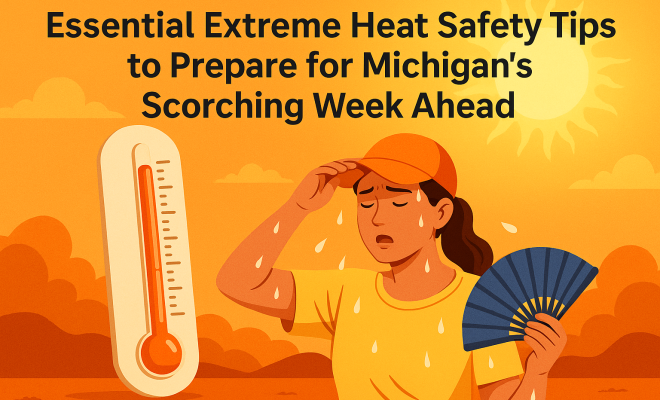
As Michigan braces for a week of extreme heat, along with potential thunderstorms, Consumers Energy is stepping up to help residents prepare for the challenges ahead. The utility company is emphasizing the importance of efficient energy use, safety measures, and emergency preparedness to combat the soaring temperatures. With heat-related risks on the rise, it’s crucial to know how to stay safe and maintain your cool. Here, we’ll delve into essential extreme heat safety tips that you should consider during this heatwave.
Understanding the Heatwave’s Impact
Extreme heat can have a profound effect on both individuals and communities, especially during the summer months when temperatures soar. This week, meteorologists predict that many areas in Michigan could experience record high temperatures, leading to increased energy demands across the state. Such spikes in energy use can put immense pressure on the power grid, potentially resulting in outages.
In addition to energy concerns, the health risks associated with extreme heat are alarming. From heat exhaustion to heat stroke, the dangers can escalate quickly, particularly for vulnerable populations such as the elderly, children, and those with pre-existing health conditions. Therefore, understanding these risks is the first step in safeguarding yourself and your loved ones.
The Importance of Staying Hydrated
Staying hydrated is one of the most critical extreme heat safety tips. Dehydration can sneak up on you, particularly in sweltering temperatures. To combat this, make sure you’re consuming sufficient fluids throughout the day. Water is the best choice, but sports drinks can also replenish essential electrolytes lost through sweat.
Here are some key hydration tips:
- Drink water regularly, even if you don’t feel thirsty.
- Avoid drinks with caffeine or alcohol, as they can lead to dehydration.
- Keep a water bottle handy, especially if you plan to be outdoors.
- Incorporate water-rich foods into your diet, such as cucumbers, watermelon, and oranges.
Cooling Your Home Efficiently
With the temperature rising, cooling your home efficiently becomes essential. Air conditioning is undoubtedly the most effective way to stay cool, but it can also lead to skyrocketing energy bills. Here are some strategies to keep your home cool without breaking the bank:
- Close curtains and blinds during the hottest parts of the day to block out sunlight.
- Use fans strategically to circulate air. Ceiling fans should rotate counterclockwise to create a cooling effect.
- Seal any leaks around windows and doors to keep cool air in and hot air out.
- Consider using energy-efficient appliances to help reduce cooling costs.
In addition to these tips, having your air conditioning system inspected and serviced regularly can ensure it’s running at peak performance. If your unit struggles to keep up with the heat, it might be time for an upgrade.
Utilizing Public Cooling Centers
When home cooling isn’t enough, utilizing public cooling centers can provide relief from the heat. Local community centers, libraries, and schools often open their doors to residents during extreme heat events. These facilities typically offer air conditioning and a safe space to escape the rising temperatures.
Before heading out, check with your local authorities or the Consumers Energy website for a list of accessible cooling centers in your area. Remember to bring any necessary items, such as medications, water, and snacks, to stay comfortable while you’re there.
Preparing for Power Outages
During extreme heat, the risk of power outages increases significantly. To ensure you’re ready for any potential disruptions, having an emergency kit on hand is crucial. Here are some items to include: (See: CDC Extreme Heat Safety Tips.)
- Flashlights and extra batteries
- Non-perishable food items
- First aid supplies
- Portable chargers for your mobile devices
- Important documents, such as IDs and insurance information
Additionally, consider investing in a backup power source for critical devices. Depending on your needs, a portable generator or uninterruptible power supply (UPS) can help keep essential electronics powered during an outage.
Recognizing Heat-Related Illnesses
Being aware of the signs of heat-related illnesses is vital in ensuring your safety and that of others. Heat exhaustion and heat stroke can escalate quickly, so it’s essential to act fast if you or someone around you shows symptoms.
Signs of heat exhaustion include:
- Heavy sweating
- Weakness or dizziness
- Nausea or vomiting
- Cold, clammy skin
On the other hand, heat stroke is more severe and can be life-threatening. Symptoms include:
- High body temperature (103°F or higher)
- Altered mental state or confusion
- Hot, dry skin (absence of sweating)
- Rapid heart rate
If you notice any of these symptoms, it’s crucial to seek medical help immediately. For heat exhaustion, move the person to a cooler place, apply cool, wet cloths to their body, and give them water. For heat stroke, call emergency services right away.
Planning Outdoor Activities Wisely
When temperatures soar, planning outdoor activities requires special consideration. If you must be outside, timing is everything. Early mornings and late evenings are usually the best times to engage in outdoor activities, as temperatures are typically lower.
Here are some tips for safe outdoor activity during extreme heat:
- Limit strenuous activities, particularly during the hottest parts of the day.
- Take frequent breaks in the shade or indoors to cool down.
- Wear lightweight, loose-fitting clothing to help your body stay cool.
- Use sunscreen to protect against sunburn, which can exacerbate heat-related issues.
For families, it’s especially crucial to teach children about the dangers of extreme heat and encourage them to listen to their bodies. If they feel tired or overheated, ensure they take breaks and hydrate.
Communicating with Neighbors and Family
During extreme heat events, community support can make a significant difference. Check in on elderly neighbors or family members who may be more vulnerable to heat-related risks. A simple call or visit could help ensure they’re safe and have access to cooling methods.
Creating a support network is vital, especially if there are individuals who live alone or have mobility issues. Consider developing a plan with family and friends to share resources, such as carpooling to a cooling center or helping each other with errands.
Staying Informed About Weather Alerts
Keeping abreast of weather alerts is a crucial aspect of staying safe during extreme heat. Utilize reliable sources, such as the National Weather Service or local news outlets, to receive updates about temperature warnings and potential thunderstorms.
Many smartphones offer push notifications for severe weather alerts, which can help you stay informed on-the-go. Be proactive in knowing what to expect and how to respond. For instance, if there are warnings about potential thunderstorms, be prepared for the possibility of power outages or flash flooding. (See: New York Times on Extreme Heat Safety.)
Additional Considerations for Extreme Heat Safety
While the previously mentioned tips cover the essentials, there are other considerations that can enhance your safety during extreme heat. Understanding your environment and adjusting your lifestyle can make a big difference. For instance, if you live in an urban area, heat can be amplified by concrete and asphalt, which absorb and retain heat. This phenomenon, known as the urban heat island effect, can make city temperatures significantly higher than surrounding rural areas.
To combat this effect, you can:
- Choose parks or shaded areas for outdoor activities, where trees can help create a cooler microclimate.
- Encourage local initiatives to plant trees and create green spaces that can help mitigate heat.
- Engage in community efforts to promote reflective roofing and other building modifications to reduce heat absorption.
Understanding Vulnerable Populations
It’s crucial to recognize that certain populations are more susceptible to the dangers of extreme heat. The elderly, young children, people with chronic illnesses, and those without access to air conditioning or adequate housing are at higher risk. According to the Centers for Disease Control and Prevention (CDC), heat-related illnesses can be particularly severe in these groups, leading to hospitalizations and even fatalities.
To support vulnerable populations, consider the following actions:
- Advocate for community programs that provide assistance, such as distributing portable fans or cooling kits.
- Volunteer at local organizations that aim to protect at-risk individuals during heatwaves.
- Start a neighborhood initiative to ensure regular check-ins with elderly residents or those living alone.
Heat Safety for Pets
Don’t forget about your furry friends during extreme heat! Pets can also suffer from heat-related illnesses, and it’s essential to ensure their safety. Here are some important tips for keeping pets cool:
- Provide plenty of fresh water and shade when outside.
- Avoid walking dogs on hot pavement, which can burn their paws—early morning or late evening walks are ideal.
- Never leave pets in a parked car, even for a short period, as temperatures can rise quickly and become fatal.
- Consider grooming your pets to help them stay cool, but avoid shaving them completely, as their fur can protect against sunburn.
If you suspect your pet is overheating, symptoms include excessive panting, drooling, vomiting, and lethargy. Immediate cooling measures should be taken, such as moving them to a shaded area and applying cool water.
Emergency Plans for Extreme Heat
Having a well-thought-out emergency plan can increase your safety during extreme weather, including heatwaves. This plan should outline what you would do in case of heat-related emergencies, such as power outages or evacuations. Be sure to include:
- Emergency contacts that can help if you or a family member is in distress.
- A list of nearby cooling centers or resources.
- Local guidelines on extreme heat protocols, which may include transportation assistance or resources for those in need.
Practice your emergency plan with family members to ensure everyone knows what to do in case of a heat-related crisis. It’s also a good idea to keep a printed copy of your plan in an easy-to-access location, in case of power or internet outages.
Extreme Heat FAQs
What are some signs of dehydration?
Signs of dehydration can include dry mouth, fatigue, dizziness, decreased urine output, and dark-colored urine. If you notice these symptoms, drink fluids immediately and seek a cooler environment.
How can I tell if someone is experiencing heat exhaustion or heat stroke?
Heat exhaustion symptoms include heavy sweating, weakness, and nausea. Heat stroke is more severe, with symptoms like high body temperature, confusion, and hot, dry skin. If you suspect heat stroke, call emergency services right away. (See: WHO Fact Sheet on Extreme Heat.)
What should I do if I lose power during extreme heat?
If you lose power, stay in a cool area and use battery-powered fans if you have them. Keep your refrigerator and freezer closed to preserve food. If temperatures rise too high, consider heading to a public cooling center.
How can I make my own cooling devices at home?
You can create cooling devices using simple household items. For instance, a bowl of ice in front of a fan can produce a cooling breeze. Also, dampening a cloth and placing it on your neck or wrists can help lower body temperature.
Are there specific foods that can help with hydration?
Yes! Foods with high water content, like cucumbers, strawberries, and lettuce, can help keep you hydrated. Eating lighter meals that include fruits and vegetables can also promote hydration.
How can I prepare my home for extreme heat?
Preparing your home involves several proactive measures. Insulating your attic can help reduce heat buildup, and using reflective window film can keep your living spaces cooler. Additionally, investing in programmable thermostats can optimize your air conditioning system’s efficiency by adjusting temperatures when you’re home or away.
What are the risks of extreme heat on mental health?
Extreme heat can exacerbate stress and anxiety levels and may lead to increased irritability and mood swings. Higher temperatures have been linked to a rise in mental health crises, particularly in vulnerable populations. It’s important to check on friends and family who may be struggling, offering support and understanding during these hot times.
What actions can communities take to combat heat effects?
Communities can take various actions to mitigate the impact of extreme heat. Initiatives such as creating more green spaces, planting trees, and installing reflective surfaces on buildings can help cool urban areas. Local governments can also set up campaigns to raise awareness about heat safety and provide resources for those in need, especially the elderly and low-income families.
Final Thoughts on Extreme Heat Safety
As Michigan heads into this week of extreme heat, having a comprehensive strategy to safeguard yourself and your loved ones is essential. By following these extreme heat safety tips, you can navigate the challenges posed by high temperatures with confidence.
Remember to stay hydrated, cool your home efficiently, utilize public cooling centers, prepare for power outages, and recognize the signs of heat-related illnesses. With proper planning and awareness, you can make it through this sweltering week safely.
“`
Trending Now
Frequently Asked Questions
What should I do to stay safe during extreme heat in Michigan?
To stay safe during extreme heat in Michigan, ensure you stay hydrated by drinking plenty of water, avoid caffeine and alcohol, and wear lightweight clothing. Stay indoors during peak heat hours, especially if you are vulnerable, and keep your home cool using fans or air conditioning.
How can I prevent heat-related illnesses?
Prevent heat-related illnesses by staying hydrated, recognizing the signs of heat exhaustion or heat stroke, and taking breaks in shaded or air-conditioned areas. Be especially cautious if you are elderly, have pre-existing health conditions, or are caring for children.
Why is hydration important during a heatwave?
Hydration is crucial during a heatwave because high temperatures increase your risk of dehydration. Drinking enough water helps regulate body temperature and replaces fluids lost through sweat. It's vital to drink regularly, even if you don't feel thirsty.
What are the signs of heat exhaustion?
Signs of heat exhaustion include heavy sweating, weakness, dizziness, nausea, and headache. If you or someone else experiences these symptoms, it’s important to move to a cooler place, hydrate, and seek medical attention if symptoms worsen.
How can I prepare my home for extreme heat?
To prepare your home for extreme heat, ensure your air conditioning is functioning, block out sunlight with curtains or shades, and keep fans running. Stock up on water and non-perishable food, and create a cooling area where you can retreat during the hottest parts of the day.
What did we miss? Let us know in the comments and join the conversation.