Fibremaxxing: The High-Fibre Diet Trend for Better Health
“`html
The world of nutrition is constantly evolving, and one of the latest trends capturing attention is the high-fibre diet, often referred to as “fibremaxxing.” This eating pattern has gained popularity through social media channels and search interest, attracting individuals eager to improve their health with simple dietary changes. But what exactly does this trend entail, and how can it benefit your overall well-being? In this article, we will delve into the fundamental aspects of a high-fibre diet, including the types of dietary fibre, the health benefits associated with increased fibre intake, and practical tips for incorporating more fibre into your daily meals.
Understanding Dietary Fibre
Before diving into the specifics of a high-fibre diet, it’s essential to understand what dietary fibre is. Fibre is a plant-based carbohydrate that the body cannot digest. Unlike other carbohydrates that get broken down into sugar molecules, fibre passes through the digestive system relatively intact. It can be categorized into two main types: soluble fibre and insoluble fibre.
Soluble Fibre
Soluble fibre dissolves in water, forming a gel-like substance in the digestive tract. This type of fibre is beneficial for several reasons:
- Heart Health: Soluble fibre helps lower cholesterol levels by binding to cholesterol molecules in the intestines, preventing their absorption into the bloodstream.
- Blood Sugar Control: It can slow down the absorption of sugar, leading to better blood sugar control, which is particularly important for individuals with diabetes.
- Gut Health: Soluble fibre acts as a prebiotic, feeding beneficial gut bacteria and promoting a healthy microbiome.
Insoluble Fibre
In contrast, insoluble fibre does not dissolve in water. It adds bulk to the stool and helps food pass more easily through the stomach and intestines. The benefits include:
- Digestive Health: Insoluble fibre promotes regular bowel movements and prevents constipation, keeping the digestive system functioning smoothly.
- Weight Management: By adding bulk to meals, insoluble fibre can help you feel fuller for longer, reducing the likelihood of overeating.
- Reduced Risk of Diverticulitis: A diet rich in insoluble fibre may lower the risk of diverticulitis, an inflammation of the digestive tract.
The Health Benefits of a High-Fibre Diet
Shifting towards a high-fibre diet can lead to numerous health benefits, making it a desirable choice for many. Here are some of the most compelling reasons to embrace this dietary trend:
Improved Digestive Health
One of the most well-known benefits of a high-fibre diet is its positive impact on digestive health. Regular consumption of fibre promotes regular bowel movements, reducing the risk of constipation and related issues. Studies indicate that individuals who consume adequate amounts of fibre experience fewer gastrointestinal problems, such as bloating and discomfort.
Heart Disease Risk Reduction
Fiber has garnered attention for its role in heart health. Several studies suggest that diets high in soluble fibre can lower total cholesterol and LDL (bad) cholesterol levels. This reduction can lead to a decreased risk of heart disease, making a high-fibre diet an attractive option for those looking to safeguard their cardiovascular health.
Weight Management
For those aiming to lose or maintain weight, a high-fibre diet can be a powerful ally. Foods rich in fibre tend to be less energy-dense, meaning they provide fewer calories for the same volume of food. Additionally, the satiating nature of fibre can help curb hunger, making it easier to adhere to a healthy eating plan.
Common Foods in a High-Fibre Diet
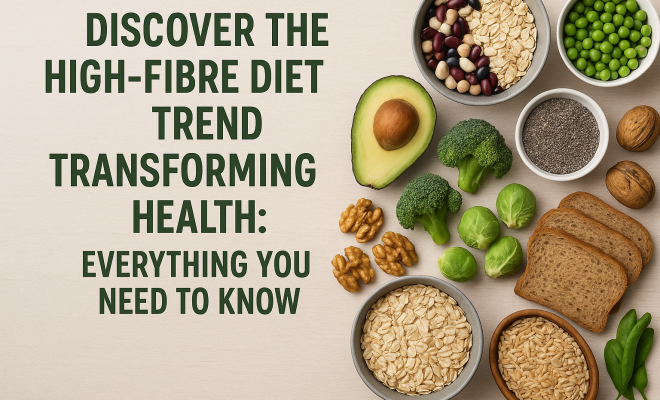
Incorporating a variety of fibre-rich foods into your diet is key to achieving the benefits associated with fibremaxxing. Here are some common options to consider:
- Legumes: Beans, lentils, and chickpeas are excellent sources of both soluble and insoluble fibre. They are versatile and can be added to salads, soups, and stews.
- Fruits: Fruits such as apples, pears, berries, and bananas are high in both types of fibre. They make for great snacks or can be blended into smoothies.
- Vegetables: Broccoli, carrots, Brussels sprouts, and leafy greens offer significant amounts of fibre and are nutrient-dense, making them perfect for any meal.
- Whole Grains: Oats, quinoa, barley, and brown rice are great sources of whole grains rich in fibre, providing sustained energy and promoting fullness.
- Nuts and Seeds: Almonds, chia seeds, and flaxseeds are not only fibre-rich but also packed with healthy fats and protein.
How to Easily Incorporate More Fibre into Your Diet
If you’re intrigued by the concept of fibremaxxing and looking to adopt a high-fibre diet, there are numerous strategies to make the transition smoother:
Start Gradually
When increasing fibre intake, it’s crucial to do so gradually. A sudden increase in fibre can lead to digestive discomfort, including gas and bloating. Begin by adding small portions of fibre-rich foods to your meals and slowly increase your intake over time. (See: National Institutes of Health on dietary fibre.)
Swap Refined Grains for Whole Grains
One of the easiest methods to boost your fibre consumption is to swap out refined grains for whole grains. For instance, choose whole grain bread over white bread, brown rice instead of white rice, and whole grain pasta in place of traditional pasta. These swaps significantly increase the fibre content of your meals.
Snack on Fruits and Vegetables
Replace traditional snacks like chips and cookies with fruits and vegetables. Prepare cut-up veggies with hummus or enjoy a piece of fruit instead of processed snacks. This not only increases your fibre intake but also enhances overall nutrient consumption.
Fibremaxxing on Social Media: The Viral Appeal
The rise of fibremaxxing has been significantly fueled by social media. Platforms like Instagram and TikTok have seen a surge of posts showcasing personal journeys and the benefits of adopting a high-fibre diet. This visual and interactive approach creates a sense of community among participants, as individuals share their progress, recipes, and tips.
FOMO and Accountability
The fear of missing out (FOMO) is a powerful motivator in dietary trends. As people post their fibre-rich meals and glowing testimonials online, others may feel encouraged to join the trend in hopes of achieving similar health benefits. The measurable aspect of fibre intake allows individuals to compare their diets, creating a sense of accountability that can further drive adherence to the high-fibre lifestyle.
Simple Yet Effective Goals
One of the most appealing aspects of fibremaxxing is the simplicity of the goal: increase your fibre intake. Unlike many other dietary trends that may require complicated meal plans and restrictive guidelines, high-fibre eating is straightforward and offers quick wins that can be easily communicated and shared.
Potential Challenges of a High-Fibre Diet
While the benefits of a high-fibre diet are compelling, there are potential challenges that individuals may face:
Digestive Discomfort
As previously mentioned, a sudden increase in fibre can lead to digestive issues such as bloating and gas. To mitigate this, it is essential to increase fibre intake gradually and ensure adequate hydration. Drinking plenty of water will aid in the digestion and passage of fibre through the digestive tract.
Individual Differences
Not everyone responds to dietary changes in the same way. Some individuals may have specific digestive conditions, such as irritable bowel syndrome (IBS), that can be exacerbated by certain types of fibre. It’s always advisable to consult with a healthcare professional before making significant dietary changes, especially if you have pre-existing health conditions.
What Experts Say About Fibremaxxing
Nutrition experts have weighed in on the fibremaxxing trend, noting that while the increased awareness of dietary fibre is a positive development, individuals should remain cautious about blindly following trends without understanding the nuances of their personal health.
The Importance of Balance
Experts emphasize the importance of a balanced diet. While fibre is undoubtedly beneficial, it should not overshadow the intake of other essential nutrients. A well-rounded eating plan should include a variety of food groups, ensuring that individuals receive an adequate supply of vitamins, minerals, and healthy fats in addition to fibre.
Personalized Nutrition
Another takeaway from experts is the significance of personalized nutrition. What works for one person may not work for another, indicating that individuals should pay attention to their bodies and adapt their diets accordingly. Keeping a food diary or consulting a registered dietitian can provide valuable insights into what dietary adjustments may be beneficial.
Exploring the Science Behind Dietary Fibre
Understanding the science behind dietary fibre can further illuminate its importance. Numerous studies have been conducted to investigate the physiological effects of fibre on the body. For example, research published in the “American Journal of Clinical Nutrition” found that increased fibre intake was associated with a reduced risk of developing type 2 diabetes. In this study, participants who consumed the highest amounts of fibre had a 30% lower risk of developing the condition compared to those with the lowest intake.
Fibre’s Role in Metabolism
Fibre plays a crucial role in regulating metabolism. The presence of soluble fibre slows gastric emptying, which not only aids in blood sugar management but also leads to an increase in the feeling of fullness. Furthermore, fibre influences the secretion of hormones that help regulate appetite, making it a key player in weight management and metabolic health. (See: CDC's information on dietary fibre.)
Gut Microbiota and Fibre
The gut microbiome, comprised of trillions of microbes, relies heavily on dietary fibre. Soluble fibre serves as a fuel source for beneficial bacteria, enhancing their growth and activity. A diverse microbiome has been linked to numerous health benefits, including improved immune function and reduced inflammation. For instance, a study published in “Nature Medicine” demonstrated that a high-fibre diet led to an increase in the production of short-chain fatty acids (SCFAs), which have anti-inflammatory effects and may lower the risk of chronic diseases.
High-Fibre Diet and Disease Prevention
A high-fibre diet not only supports general health but can also be instrumental in preventing chronic diseases. For example, epidemiological studies have shown that populations consuming high-fibre diets exhibit lower rates of colorectal cancer. The protective effects are believed to stem from fibre’s ability to promote regular bowel movements, reduce inflammation, and foster a healthy gut microbiome.
Statistics on Fibre Intake and Health Outcomes
According to the World Health Organization (WHO), it is recommended that adults consume at least 25 grams of dietary fibre per day. However, statistics indicate that the average daily intake falls significantly short of this recommendation. In the United States, for example, the average adult consumes only about 15 grams of fibre daily. Increasing this intake has been associated with a reduced risk of various diseases, highlighting the pressing need for dietary adjustments towards more fibre-rich foods.
Frequently Asked Questions (FAQ)
What is the recommended daily intake of dietary fibre?
The Institute of Medicine recommends that adult women consume 25 grams of fibre per day, while men should aim for 38 grams. After age 50, the recommendations decrease slightly to 21 grams for women and 30 grams for men due to reduced caloric intake.
Can I get enough fibre from supplements?
While fibre supplements can help increase your intake, it is generally recommended to obtain fibre from whole foods. Whole foods provide not only fibre but also a plethora of other nutrients, such as vitamins, minerals, and antioxidants that supplements may lack.
Are there any side effects of consuming too much fibre?
Yes, excessive fibre intake can lead to digestive issues such as bloating, gas, and cramps. It’s essential to increase fibre gradually and ensure adequate hydration to avoid these side effects.
What are some high-fibre breakfast options?
Some excellent high-fibre breakfast options include oatmeal topped with fruits and nuts, whole-grain toast with avocado, or a smoothie made with spinach, banana, and chia seeds.
How can I make sure I’m getting enough soluble fibre?
To ensure adequate intake of soluble fibre, incorporate foods such as oats, beans, lentils, apples, and citrus fruits into your meals. These foods are particularly rich in soluble fibre and beneficial for heart health and blood sugar management.
High-Fibre Diet for Specific Populations
While the high-fibre diet is beneficial for the general population, certain groups may find it particularly advantageous. For instance:
Individuals with Diabetes
People with diabetes can greatly benefit from a high-fibre diet. Soluble fibre can help improve glycemic control, as it slows down the absorption of sugar, leading to more stable blood glucose levels. Foods like oats, beans, and lentils are excellent choices for those managing diabetes. (See: World Health Organization on dietary fibre.)
Older Adults
As we age, maintaining digestive health becomes increasingly important. A high-fibre diet can aid in preventing constipation, which is more common in older adults. Additionally, fibre can help manage weight and reduce the risk of chronic diseases prevalent in aging populations.
Vegetarians and Vegans
For vegetarians and vegans, a high-fibre diet is often a natural part of their eating pattern. These diets are typically rich in fruits, vegetables, whole grains, and legumes, all of which provide ample fibre. However, it’s crucial for them to ensure they’re getting a balanced intake of other nutrients that may be less abundant in plant-based diets.
Practical Tips for Meal Planning
Meal planning plays a vital role in successfully adopting a high-fibre diet. Here are some practical tips to help you get started:
Create a Fibre-Rich Grocery List
Before heading to the grocery store, make a list of high-fibre foods you want to include in your diet. This list can include a variety of fruits, vegetables, legumes, and whole grains, ensuring you have a diverse selection of fibre-rich foods at home.
Prep High-Fibre Snacks
Prepare snack options in advance to make it easier to choose fibre-rich foods throughout the week. For instance, you can cut up vegetables and pair them with hummus, or portion out nuts and seeds into snack bags for convenient on-the-go options.
Experiment with Recipes
Look for recipes that incorporate high-fibre ingredients. For example, try making a chickpea salad, vegetable stir-fry with brown rice, or a smoothie bowl topped with fruits and seeds. Experimenting with different recipes can keep your meals exciting and varied.
Conclusion: Embracing the High-Fibre Diet
As the fibremaxxing trend continues to gain momentum, it serves as a reminder of the importance of dietary fibre in our everyday lives. By understanding the types of fibre, the health benefits, and practical ways to include more fibre in our diets, individuals can make informed choices that support their health and wellness goals.
Whether you’re looking to improve digestive health, manage your weight, or simply feel more energized, adopting a high-fibre diet can be a straightforward and effective approach. With the right knowledge and commitment, you can embark on your fibremaxxing journey and enjoy all the benefits that come with it.
“`
Trending Now
Frequently Asked Questions
What is a high-fibre diet?
A high-fibre diet focuses on increasing the intake of dietary fibre, which is a plant-based carbohydrate that the body cannot digest. This diet includes foods rich in both soluble and insoluble fibre, promoting health benefits such as improved digestion, heart health, and better blood sugar control.
What are the benefits of a high-fibre diet?
The benefits of a high-fibre diet include improved digestive health, lower cholesterol levels, better blood sugar control, and enhanced gut health. Increased fibre intake supports regular bowel movements and feeds beneficial gut bacteria, contributing to overall well-being.
How can I incorporate more fibre into my diet?
To incorporate more fibre into your diet, include foods like fruits, vegetables, whole grains, legumes, nuts, and seeds. Gradually increase your fibre intake to avoid digestive discomfort, and ensure you drink plenty of water to help the fibre function effectively.
What foods are high in soluble fibre?
Foods high in soluble fibre include oats, beans, lentils, chia seeds, apples, citrus fruits, and barley. These foods help lower cholesterol levels, control blood sugar, and support gut health by acting as prebiotics for beneficial bacteria.
What foods are high in insoluble fibre?
Foods rich in insoluble fibre include whole grains, nuts, seeds, and the skins of fruits and vegetables like potatoes and apples. Insoluble fibre aids in digestion by adding bulk to stool and promoting regular bowel movements.
Have you experienced this yourself? We’d love to hear your story in the comments.