7 Trending Environmental Issues to Watch in 2026
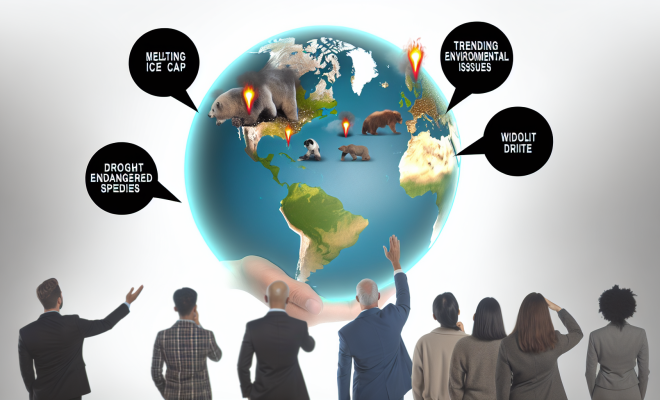
In a world increasingly dominated by climate change, pollution, and biodiversity loss, understanding the trending environmental issues at any given moment is critical for both awareness and action. As we navigate 2026, this article will explore the most pressing environmental challenges currently capturing the public’s attention. Although recent news articles may not always be readily available, the ongoing discussions in communities, on social media, and among environmental advocates provide a wealth of information on what topics are trending.
1. Climate Change and Extreme Weather Events
The reality of climate change is becoming ever more apparent as extreme weather events escalate in frequency and intensity. From devastating hurricanes to unprecedented wildfires, these phenomena are not just one-off incidents; they are part of a larger trend that calls for urgent attention. According to the Intergovernmental Panel on Climate Change (IPCC), the world has already warmed by approximately 1.1 degrees Celsius since the late 19th century. This increase significantly affects weather patterns, leading to an increase in severe storms, droughts, and floods.
Public Response to Climate Events
The public’s response to these extreme weather events often manifests through social media and grassroots activism. Hashtags related to climate protests often trend globally, showcasing a collective call for action. For instance, the recent surge in discussions around the Fridays for Future movement, initiated by climate activist Greta Thunberg, highlights how youth activism is reshaping the conversation around climate change.
2. Plastic Pollution and Single-Use Plastics
Plastic pollution continues to be a major environmental issue, with millions of tons of plastic waste entering oceans and landscapes each year. Recent studies indicate that by 2030, the amount of plastic in the ocean could outweigh the fish population if current trends continue. This alarming statistic has led to increased public awareness and calls for bans on single-use plastics.
Legislative Action and Environmental Advocacy
Some countries are taking legislative steps to combat plastic waste. For instance, the European Union has implemented strict regulations on single-use plastics, which serve as a model for other nations. Advocacy groups are leveraging social media platforms to petition for similar bans, raising awareness of the detrimental effects of plastic pollution on ecosystems and wildlife.
3. Loss of Biodiversity
The loss of biodiversity is another critical issue that has gained traction in recent years. The World Wildlife Fund (WWF) reports that wildlife populations have seen an average decline of 68% since 1970, largely due to habitat destruction, climate change, and pollution. The decline of species not only disrupts ecosystems but also poses risks to human health and food security.
Community Efforts to Protect Biodiversity
Communities worldwide are engaging in initiatives to protect local wildlife and habitats. From urban gardening projects to reforestation efforts, grassroots movements are making significant strides in conservation. The increasing popularity of community-supported agriculture (CSA) is also promoting biodiversity by encouraging the consumption of diverse crops.
4. Air Quality and Urban Pollution
Air quality is increasingly a topic of discussion as urban areas experience rising levels of pollution. A recent report from the World Health Organization (WHO) reveals that air pollution is responsible for millions of premature deaths each year. Poor air quality exacerbates health issues, particularly in low-income communities that may lack access to clean air resources.
Technological Innovations in Air Quality Monitoring
To combat urban pollution, cities are investing in technology to monitor air quality and inform residents. Mobile apps and public data dashboards are becoming commonplace, enabling individuals to make informed decisions about their outdoor activities based on real-time air quality data.
5. Renewable Energy and Sustainable Practices
The shift toward renewable energy sources such as solar, wind, and hydroelectric power is gaining momentum. The transition from fossil fuels to renewable energy is essential in addressing climate change and reducing greenhouse gas emissions. Reports indicate that the renewable energy sector is expected to grow significantly, driven by both technological advancements and public demand for cleaner energy options.
Community Engagement in Renewable Energy Projects
Communities are increasingly participating in local renewable energy projects, such as community solar farms. These initiatives not only provide clean energy but also foster a sense of community and shared responsibility for environmental stewardship.
6. Water Scarcity and Management
Water scarcity is a growing concern, especially in regions experiencing severe drought conditions. The United Nations has projected that by 2025, two-thirds of the global population could face water-stressed conditions. This alarming trend has led to discussions on sustainable water management practices and conservation efforts.
Innovative Water Conservation Technologies
Recent innovations in water conservation technologies are providing new solutions for managing this precious resource. Techniques such as rainwater harvesting, greywater recycling, and advanced irrigation systems are becoming essential in both urban and agricultural settings.
7. Environmental Justice and Equity
Finally, the concept of environmental justice has emerged as a crucial topic within the broader conversation about environmental issues. Marginalized communities often bear the brunt of environmental degradation, leading to calls for equitable policies that prioritize their needs and rights. Activists are advocating for legislation that addresses these disparities and protects vulnerable populations.
Grassroots Movements Advocating for Environmental Justice
Grassroots organizations are playing an essential role in fighting for environmental justice. They are mobilizing communities, raising awareness, and advocating for policies that ensure everyone has the right to a healthy environment. Social media has amplified these efforts, allowing activists to connect, share stories, and organize campaigns across borders.
Conclusion: Taking Action on Trending Environmental Issues
As we navigate through 2026, recognizing and understanding the trending environmental issues is essential for fostering a more sustainable future. From tackling climate change to advocating for biodiversity, every individual can contribute to the solutions. Whether through grassroots activism, community engagement, or simply staying informed, collective action can lead to significant change.
The urgency of addressing these challenges cannot be overstated. By engaging with the issues that matter most, we not only advocate for our planet but also for future generations. The time to act is now.