The Alarming Truth Behind Why Google Reviews Disappear: What Every Business Owner Should Know
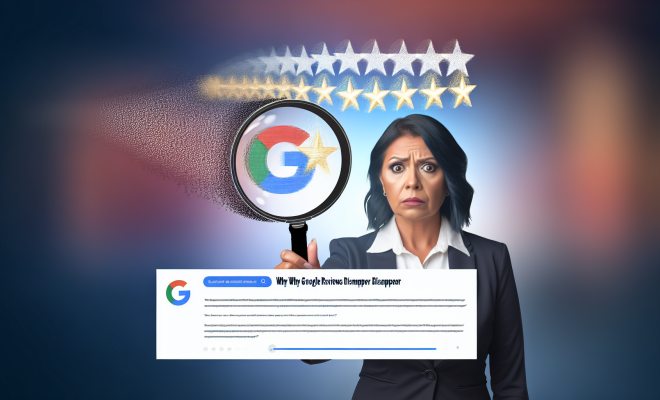
In the rapidly evolving landscape of digital marketing, the importance of online reviews cannot be overstated. For many small businesses, favorable Google reviews can significantly influence potential customers’ perceptions and decisions. However, a growing concern is that Google reviews disappear unexpectedly, leaving businesses and their owners perplexed and alarmed. This issue has intensified as Google takes a more aggressive stance on filtering reviews submitted through direct QR code links, resulting in thousands of reviews vanishing overnight.
The Shift in Google’s Review Filtering Strategy
Google’s review filtering is not a new phenomenon; it has been an ongoing process aimed at maintaining the integrity of its review ecosystem. However, recent trends show that Google is filtering reviews more aggressively when they are submitted via direct QR code links. Why is this happening? The core issue lies in the fact that these direct links bypass traditional user engagement signals. Normally, Google analyzes how users interact with a business profile—signals such as searches, profile views, and clicks on the business listing are critical for validating the authenticity of reviews.
Understanding Engagement Signals
Engagement signals are vital for establishing trust and credibility within the Google ecosystem. When a user searches for a business, navigates its profile, and then leaves a review, this sequence of interactions illustrates genuine interest and engagement. However, when reviews are submitted through direct QR code links, they often skip these essential steps, leading Google to flag these reviews as potentially suspicious.
Direct QR Code Links: A Risky Strategy for Businesses
Businesses might be tempted to use direct QR code links for obtaining reviews due to the ease and immediacy they offer. Customers can simply scan a QR code and leave a review without navigating through several steps. While this might seem advantageous, it poses a significant risk: Google’s algorithm may view these reviews as less authentic or organic.
- Reviews submitted through non-organic paths, such as direct QR codes, are more likely to be scrutinized and filtered.
- Google has confirmed that there are higher filter rates for reviews that stem from non-organic journeys, as indicated by experts like Claudia Tomina from Google Forums.
- This filtering can result in previously published reviews being retroactively removed if they are flagged or if suspicious patterns are detected.
The Consequences of Disappearing Reviews
The fallout from disappearing reviews can be devastating for businesses that rely heavily on their online reputation. A business might suddenly find itself with significantly fewer reviews than expected, leading to decreased visibility in search results and potential loss of customers. This issue is particularly pressing as we approach 2026, when the focus on review recency is likely to dictate search rankings even more.
The FOMO Effect: A Growing Concern Among Small Business Owners
This issue has sparked a wave of fear amongst small business owners. The fear of losing their position in the Local Pack—an essential component of local SEO—has led to widespread anxiety and discussions across social media, particularly on platforms like LinkedIn and various SEO forums. The tension is palpable as business owners grapple with the realization that more reviews do not necessarily equate to better rankings.
More Reviews Don’t Always Mean Better Rankings
This is perhaps one of the most shocking revelations in the current discourse surrounding Google reviews. Many businesses operate under the assumption that accumulating a high number of reviews will improve their standing in search results. However, Google’s algorithms prioritize the authenticity and engagement of those reviews over sheer quantity. This counterintuitive twist has created a climate of urgency, as small businesses scramble to understand how to navigate this new reality.
Best Practices for Maintaining a Healthy Review Profile
Given the risks associated with direct QR code links, what can businesses do to protect their online reputation? Here are some best practices to consider:
- Encourage Organic Engagement: Instead of relying on QR codes, encourage customers to search for your business on Google and leave reviews after interacting with your profile.
- Monitor Your Reviews Regularly: Keep an eye on your reviews and be proactive in addressing any negative feedback. This will not only help maintain your reputation but also signal to Google that you are engaged with your customers.
- Educate Your Customers: Inform your customers about the best way to leave reviews on Google, emphasizing the importance of navigating through your business listing.
- Utilize Email Follow-Ups: After a purchase, send follow-up emails requesting feedback. Include a link to your Google business page, encouraging customers to leave their reviews through the traditional search method.
- Stay Updated on Google’s Policies: Google frequently updates its algorithms and policies regarding reviews. Stay informed about these changes to ensure your strategies align with best practices.
Conclusion: Navigating the Future of Google Reviews
As the digital landscape continues to evolve, understanding the intricacies of Google reviews is more critical than ever for small business owners. The risk associated with direct QR code links highlights a broader trend in online marketing where authenticity and user engagement are paramount. With Google reviews disappearing more frequently, businesses must adapt their strategies to foster genuine interactions with customers.
Ultimately, navigating the world of online reviews requires vigilance, adaptability, and a commitment to maintaining a solid reputation. By focusing on organic engagement and understanding the underlying algorithms at play, businesses can better protect themselves from the potential fallout of disappearing Google reviews.