How Microplastics Are Secretly Driving Climate Change — What You Need to Know
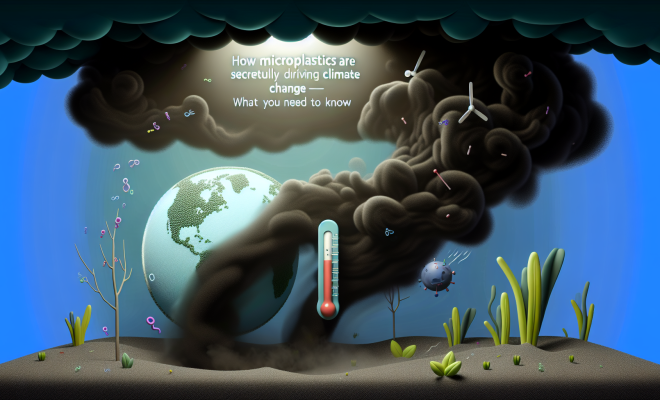
The Hidden Link Between Microplastics and Climate Change
In a groundbreaking study, scientists from China and the United States have uncovered a startling new dimension to the environmental crisis: microplastics and climate change are intricately connected. This revelation highlights an unexpected mechanism by which plastic pollution, a problem most commonly associated with oceans and food chains, exacerbates global warming. As the world grapples with the implications of climate change, this discovery illuminates the urgent necessity for comprehensive strategies to combat plastic consumption and its consequences.
Understanding Microplastics
Microplastics are tiny plastic particles, typically smaller than 5 millimeters, that originate from various sources including the breakdown of larger plastic debris, synthetic textiles, and personal care products. These particles have infiltrated ecosystems worldwide, from the deepest oceans to the most remote mountains. Their environmental impact has been widely documented, but the new research suggests that the narrative surrounding microplastics must expand to include their role in accelerating climate change.
The Groundbreaking Research
The recent study, which has garnered attention for its provocative findings, identifies microplastics as agents that actively heat the atmosphere. By trapping heat much like traditional greenhouse gases, microplastics contribute to rising temperatures, thereby magnifying the already catastrophic impacts of climate change. This correlation between microplastics and climate change presents a chilling perspective on how everyday plastic usage can have far-reaching implications.
Mechanisms of Heat Trapping
The researchers discovered that microplastics, when dispersed in the atmosphere, can absorb and re-radiate heat, effectively functioning as atmospheric pollutants. This mechanism is particularly alarming considering that microplastics are pervasive, found not only in the air but also in various ecosystems. The study emphasizes that while the general public may be aware of plastic’s dangers to marine life and human health, the climate-related consequences have remained largely under the radar.
Impacts on Climate Policies
The findings of this study carry significant implications for climate policy and plastic regulation. As discussions surrounding climate change intensify, integrating the impact of microplastics into policies is essential. This newfound understanding calls for a reevaluation of how plastics are regulated, suggesting that measures should not only target plastic waste management but also consider their atmospheric effects.
Raising Public Awareness
The connection between microplastics and climate change has sparked a surge of interest across social media platforms, where this information is being shared widely. The shocking nature of this discovery—how our daily plastic consumption contributes to heating the planet—creates a powerful need to know appeal. By understanding that our choices have global repercussions, individuals are more likely to reconsider their plastic use, leading to more conscientious consumer behavior.
Realities of Plastic Pollution
Traditionally, the dialogue surrounding plastic pollution has focused on its physical presence in oceans and its harmful effects on wildlife and human health. However, the recently unveiled link to climate change emphasizes that the crisis is more extensive than previously understood. Microplastics enter the food chain, affect biodiversity, and now, through their heat-trapping capabilities, alter climatic conditions.
Global Response to the Findings
Governments, businesses, and environmental organizations are already responding to the study’s findings. The scientific community is advocating for stricter regulations on plastic production and consumption, urging policymakers to consider the broader environmental impacts of plastics. As the urgency of the climate crisis escalates, recognizing microplastics as a significant factor could drive more comprehensive environmental action.
Consumer Responsibility
Given the intimate link between microplastics and climate change, individuals can take steps to reduce their plastic footprint. Simple changes in daily habits, such as reducing the use of single-use plastics, choosing natural fiber clothing, and supporting policies aimed at reducing plastic waste, can contribute to mitigating climate change impacts.
- Reduce single-use plastics
- Opt for natural fibers over synthetic materials
- Support legislation aimed at plastic reduction
- Educate others about the microplastics crisis
- Participate in local clean-up efforts
The Future of Environmental Research
The discovery of the correlation between microplastics and climate change opens new avenues for research. Investigating the full extent of microplastics’ effects on climate will be crucial in addressing the challenges they pose. Future studies may delve deeper into understanding how microplastics interact with other environmental factors and the cumulative impact they may have on global warming.
Broader Implications for Ecosystems
Beyond climate implications, microplastics also affect ecosystems in ways that are still being explored. The presence of these particles in the air, water, and soil can disrupt natural processes, harm wildlife, and ultimately threaten human health. Thus, addressing microplastics is not merely an environmental issue but a multifaceted challenge that intersects with many aspects of life.
Conclusion: A Call to Action
The interconnectedness of microplastics and climate change reveals an urgent call to action for both individuals and policymakers. As the understanding of microplastics evolves, so must our strategies to combat plastic pollution and climate change. By recognizing that our everyday choices have far-reaching consequences, we have the opportunity to make a meaningful difference in the health of our planet.
As discussions about microplastics continue to gain momentum, it is imperative for society to remain informed and engaged. Only through collective action can we mitigate the effects of both plastic pollution and climate change, ensuring a sustainable future for generations to come.