Chaos at the White House Correspondents’ Dinner: A Security Breach Unfolds
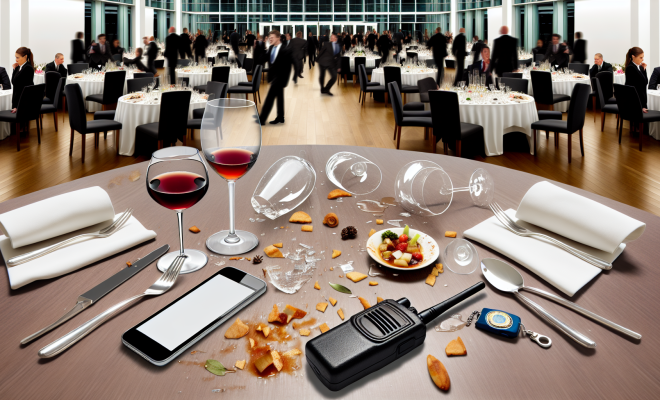
The atmosphere of celebration and camaraderie at the White House Correspondents’ Dinner on April 25, 2026, was shattered by a harrowing incident that highlighted the ever-present challenges of security in the nation’s capital. A man, identified as Cole Tomas Allen, 31, from Torrance, California, attempted to breach the safety of the event, leading to a tense situation that left one law enforcement officer injured and many attendees in shock.
The Incident Unfolds
As guests gathered to enjoy an evening of humor and tributes to journalism, Allen stormed into the lobby of the venue where the dinner was being held. Armed with multiple firearms and knives, he rushed toward the ballroom, a move that could have resulted in catastrophic consequences had it not been for the swift actions of the Secret Service.
Witnesses described a scene of confusion as Allen allegedly opened fire, striking a law enforcement officer who was fortunately wearing a bullet-resistant vest. This protective gear likely saved the officer’s life, and reports indicate that he is expected to make a full recovery.
Immediate Response and Consequences
The response from the Secret Service was immediate and decisive. Agents quickly subdued Allen, taking him into custody without further incident. As news of the shooting spread, chaos ensued within the event, prompting organizers to cancel the dinner and reschedule it for a later date.
President Donald Trump, who was in attendance along with numerous senior U.S. leaders, was unharmed during the attack. Following the incident, he addressed the nation from the White House, expressing his relief that no lives were lost and condemning the assailant as a “sick person.” His remarks underlined the gravity of the situation and the ongoing threats faced by public figures.
A Closer Look at Cole Tomas Allen
As law enforcement began to piece together the details surrounding the attack, the background of the assailant emerged. Allen, a resident of California, had seemingly acted alone in this shocking breach of security. While the investigation into his motives is ongoing, it raises broader questions about mental health, access to firearms, and the challenges of ensuring safety at high-profile events.
Public Reactions
The incident sparked a wave of reactions across social media and news platforms. Many users expressed their shock and concern over the safety of public events, particularly those involving high-ranking officials. The sentiment was echoed by several journalists who attended the dinner and witnessed the chaos firsthand.
- Social Media Outcry: Platforms like Twitter and Truth Social were inundated with reactions, with many users calling for increased security measures at similar events.
- Political Commentary: Political commentators and news analysts emphasized the need for a national conversation regarding security and mental health issues in the context of public safety.
The Role of the FBI
In the aftermath of the shooting, the FBI was called to the scene to assist with the investigation. Their involvement underscores the seriousness of the threat posed by individuals like Allen and the importance of understanding the motives behind such violent acts. The FBI’s behavioral analysis unit may be instrumental in providing insights into the psychological factors that led to this incident.
Investigating Motives
While the investigation is still in its early stages, authorities will likely explore several avenues:
- Personal History: Allen’s background, including any prior criminal record or signs of mental illness, will be crucial in understanding his motivations.
- Potential Extremism: Investigators will consider whether Allen had any affiliations with extremist groups or ideologies that may have influenced his actions.
- Communication: Any digital footprints, such as social media activity, will be scrutinized for clues regarding his intentions.
Rescheduling the Event
In light of the attack, organizers of the White House Correspondents’ Dinner announced that the event would be rescheduled. While a new date has yet to be confirmed, plans are already underway to ensure that the safety of all attendees is prioritized. This includes a thorough review of security protocols to prevent similar incidents in the future.
The evening is traditionally a celebration of the press and its vital role in democracy. The resilience of the journalistic community will be tested as they navigate the aftermath of this shocking event.
Long-Term Implications
The shooting at the White House Correspondents’ Dinner is a stark reminder of the evolving landscape of security threats facing public figures. As the nation reflects on this incident, several key issues will likely come to the forefront:
- Gun Control Debates: The incident may reignite discussions surrounding gun control legislation, emphasizing the need for comprehensive reforms to prevent firearms from falling into the wrong hands.
- Public Safety Measures: Event planners and security agencies will need to reassess their strategies for safeguarding high-profile events, potentially incorporating more robust measures to ensure attendee safety.
- Mental Health Awareness: Addressing mental health issues is critical in preventing future incidents. Increased awareness and access to mental health resources may help mitigate risks associated with violent behavior.
Conclusion
The shooting incident at the White House Correspondents’ Dinner serves as a sobering reminder of the precarious balance between public life and personal safety. As investigations continue and the nation grapples with the implications of this event, it is essential to foster a dialogue surrounding security, mental health, and the protection of democratic institutions. The resilience of the press and the commitment to free speech must endure, even in the face of adversity.
As the story develops, the focus will remain on ensuring that such incidents do not become the norm, but rather a catalyst for change in how society approaches the complexities of safety, security, and public discourse.