China’s Solar Surge: A Record-Breaking Export Month Amid Global Energy Crisis
Introduction
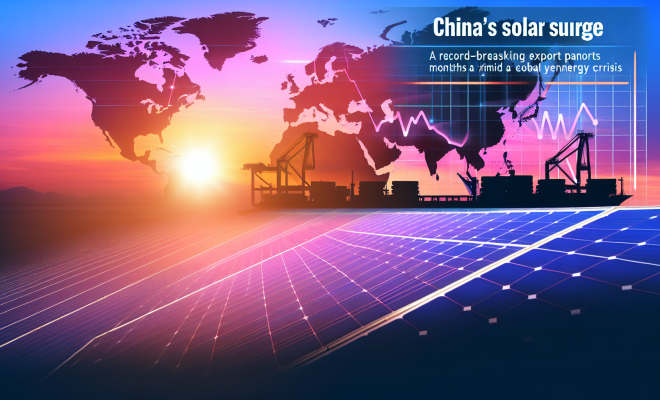
As the world grapples with a deepening energy crisis, China’s solar exports reached unprecedented levels in March 2026, marking a significant milestone in the global clean energy landscape. This surge underscores China’s strategic positioning as a leader in solar panel production and its pivotal role in the supply chains that drive the renewable energy sector. With the demand for clean energy solutions skyrocketing, China’s export record signals a shift in how nations are approaching energy sustainability amidst mounting pressures.
The Context of the Energy Crisis
The global energy crisis, exacerbated by geopolitical tensions, supply chain disruptions, and the pressing need to transition to renewable energy sources, has heightened the urgency for countries to seek out sustainable energy solutions. The crisis is not just a temporary phenomenon; it reflects deep-rooted challenges within the global energy markets. As fossil fuel prices fluctuate and energy security becomes a concern for many nations, the focus has shifted towards harnessing renewable resources, particularly solar power.
China’s Dominance in Solar Production
China has emerged as a powerhouse in solar panel manufacturing, accounting for a substantial portion of the global market share. The country’s competitive advantage stems from several factors:
- Economies of Scale: China has invested heavily in large-scale manufacturing facilities, allowing for mass production of solar panels at lower costs.
- Technological Advancements: Continuous innovation in solar technology has led to more efficient and durable products, further solidifying China’s position in the market.
- Government Support: The Chinese government has implemented favorable policies and subsidies that promote the growth of the renewable energy sector.
These elements have combined to enable China to export solar panels in record numbers, meeting the surging demand from countries seeking to bolster their clean energy capacities.
Record Exports in March 2026
In March 2026, reports indicated that China’s solar exports reached a “gigantic” record. While specific figures were not disclosed, the term “gigantic” suggests an extraordinary increase in shipment volumes compared to previous months. This export boom reflects a proactive response to the global energy crisis, with countries looking to diversify their energy sources and reduce reliance on fossil fuels.
Key Drivers of Export Growth
Several factors contributed to the remarkable increase in solar exports from China:
- Increased Global Demand: As nations face energy shortages, the urgency to adopt renewable energy solutions has never been greater. Solar energy, in particular, is seen as a quick and effective way to transition.
- International Partnerships: China has strengthened its trade relationships with various countries, providing solar technology and infrastructure support to help them develop their renewable energy capabilities.
- Supply Chain Resilience: Despite disruptions caused by the pandemic and geopolitical factors, China has managed to maintain robust supply chains, ensuring timely delivery of solar products.
The combination of these factors has made it possible for China to not only meet domestic needs but also to satisfy the growing international demand for solar energy solutions.
Global Implications of China’s Solar Exports
China’s record solar exports carry significant implications for the global energy landscape. As more countries pivot to renewable energy sources, the following trends are likely to emerge:
- Shift in Energy Paradigms: The accelerating shift towards solar energy may alter traditional energy dynamics, reducing reliance on fossil fuels and reshaping energy markets.
- Policy Changes: Governments around the world may implement more aggressive policies to promote renewable energy adoption, influenced by the success of solar initiatives in China.
- Investment Opportunities: The rise in solar exports presents numerous investment opportunities within the clean energy sector, attracting capital to innovative technologies and infrastructures.
These implications highlight the interconnectedness of global energy strategies and the importance of solar energy in achieving sustainable development goals.
The Future of Solar Energy in a Changing World
Looking ahead, the future of solar energy is promising. As countries seek to mitigate the impacts of the energy crisis, the following trends are anticipated:
- Technological Innovations: Continued advancements in solar technology will lead to more efficient panels, energy storage solutions, and integration with smart grids.
- Decentralized Energy Systems: The adoption of decentralized solar systems will empower communities to generate their own energy, increasing resilience and energy security.
- Global Collaboration: Nations will increasingly collaborate on renewable energy projects, sharing knowledge, technology, and best practices to accelerate the transition.
China’s record exports in March 2026 are not just a reflection of its manufacturing capabilities but also a testament to the global shift towards renewable energy. As the world faces unprecedented energy challenges, the response through solar energy solutions may hold the key to a sustainable future.
Conclusion
The remarkable growth in China’s solar exports amidst a global energy crisis underscores the potential of renewable energy to reshape the future. As countries strive for energy independence and sustainability, China’s role as a leader in solar production will continue to be pivotal. The developments in March 2026 are a clear indicator of the shifting energy landscape, where clean energy solutions are not merely an option but a necessity. The world is witnessing a solar revolution, and China’s contributions are at the forefront of this transformative movement.