Electric Vehicles Now More Affordable Than Petrol Cars: A Turning Point in the Automotive Market
A New Era for Electric Vehicles
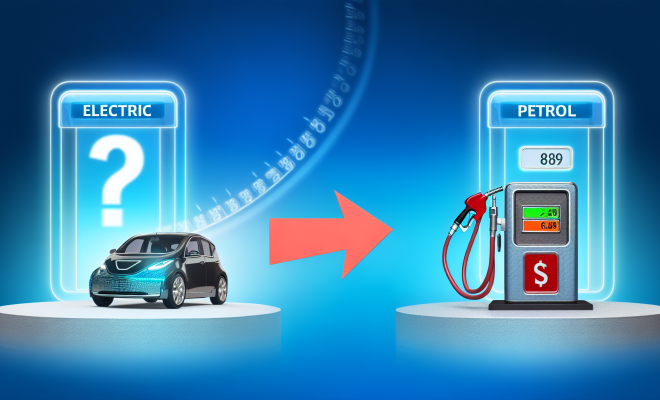
In a groundbreaking development for the automotive industry, the average price of electric vehicles (EVs) has officially undercut that of petrol cars for the first time. According to data released by AutoTrader in April 2026, the average price of a new EV has dropped to £42,620, a figure that now stands below the average price of petrol vehicles, which is pegged at £43,405. This marks a significant milestone in the ongoing evolution of the automobile market, highlighting a shift towards greater affordability in electric mobility.
Price Comparison: A Shift in Consumer Choices
The price difference of £785 may seem modest, but it represents a substantial psychological barrier being broken for potential buyers. Historically, electric vehicles have often been viewed as a premium option, with higher upfront costs compared to traditional petrol cars. However, the recent price drop indicates that EVs are becoming increasingly accessible to a broader segment of consumers.
Factors Driving Price Reductions
Several factors contribute to the decreasing prices of electric vehicles:
- Advancements in Technology: Improvements in battery technology have led to reduced production costs, enabling manufacturers to pass savings onto consumers.
- Increased Competition: A rise in the number of brands offering EVs has intensified competition, prompting manufacturers to lower prices to attract buyers.
- Government Incentives: Various government rebates and incentives for EV purchases have made it more financially appealing for consumers to consider electric options.
- Economies of Scale: As the demand for electric vehicles grows, manufacturers are able to produce them at scale, further driving down costs.
The Impact on the Automotive Market
This pricing milestone is expected to have a ripple effect across the automotive landscape. With EVs now being more competitively priced, more buyers are likely to consider switching from petrol vehicles to battery-powered alternatives. This shift not only supports individual economic considerations but also aligns with broader environmental goals.
Market Demand for Electric Vehicles
The increasing demand for electric vehicles can be attributed to several trends:
- Environmental Concerns: Consumers are becoming more environmentally conscious and are actively seeking ways to reduce their carbon footprint.
- Government Policies: Many governments are implementing stricter emission regulations and promoting EV adoption as part of their sustainability agendas.
- Improved Infrastructure: The expansion of charging networks is making it easier for consumers to own and operate electric vehicles.
- Technological Enhancements: Features such as longer battery life, faster charging, and advanced tech integrations make EVs more appealing.
Leading Brands in the Electric Vehicle Market
As the landscape of electric vehicles evolves, certain brands are emerging as frontrunners in consumer demand. According to the data from AutoTrader, MG has taken the lead as the most in-demand EV brand, closely followed by Renault and Kia.
MG: Leading the Charge
MG’s rise in popularity can be attributed to its combination of affordability, practicality, and a solid feature set. The brand has positioned itself effectively within the market, appealing to budget-conscious consumers looking for reliable electric options.
Renault: A Popular Choice
Renault continues to shine with its popular models, particularly the Renault Zoe, which has been a favorite among consumers. The Zoe’s reputation for efficiency, coupled with its competitive pricing, makes it an attractive option in the EV market.
Kia: Balancing Price and Performance
Kia is also making strides in the EV space, offering models that balance performance with an accessible price point. The Kia e-Niro, for instance, has garnered attention for its spaciousness and practical range.
Consumer Perspectives and Future Considerations
With the average price of electric vehicles now lower than petrol cars, consumer attitudes are expected to shift. Many potential buyers who may have been hesitant due to price may now reconsider the benefits of making the switch to electric.
Benefits of Electric Vehicles
Some of the key benefits that consumers should consider when evaluating electric vehicles include:
- Lower Operating Costs: EVs typically have lower maintenance costs and electricity is often cheaper than petrol.
- Tax Incentives: Many regions offer tax breaks or incentives for EV ownership, further reducing the overall cost.
- Environmental Impact: Driving an electric vehicle contributes to reduced greenhouse gas emissions and a smaller carbon footprint.
- Innovative Technology: EVs often come equipped with the latest technology and safety features, enhancing the overall driving experience.
Challenges Remain
Despite the positive trends, challenges remain in the EV market. Issues such as charging infrastructure, range anxiety, and battery disposal are still concerns for many consumers. However, as technology advances and infrastructure improves, these challenges are likely to become less significant.
The Road Ahead: What to Expect
Looking forward, the automotive industry is at a pivotal moment. With the average price of electric vehicles falling below that of petrol cars, a new era of electric mobility is dawning. Industry experts predict that this trend will continue as manufacturers ramp up production, innovate, and address consumer concerns.
Market Predictions
Analysts are forecasting that electric vehicle sales will continue to rise sharply in the coming years. Several key factors influencing this growth include:
- Increased Model Availability: A growing number of manufacturers are entering the EV market, providing consumers with more choices than ever.
- Technological Advancements: Continuous improvements in battery technology and vehicle range will make EVs more appealing.
- Global Initiatives: International efforts to combat climate change will drive further adoption of electric vehicles.
- Consumer Education: As awareness of the benefits of EVs increases, more consumers will likely consider switching.
Conclusion: A Positive Shift for Consumers and the Planet
The recent data from AutoTrader represents a significant turning point in the automotive landscape. With electric vehicles becoming more affordable than their petrol counterparts, consumers are poised to make more sustainable choices while also enjoying the financial benefits of EV ownership. As the market continues to evolve, this shift is not only beneficial for consumers but also for the environment, paving the way for a cleaner, greener future.