Embracing ‘Deadzoning’: A New Path to Mental Wellbeing While Traveling
Introduction: The Rise of Deadzoning in Travel
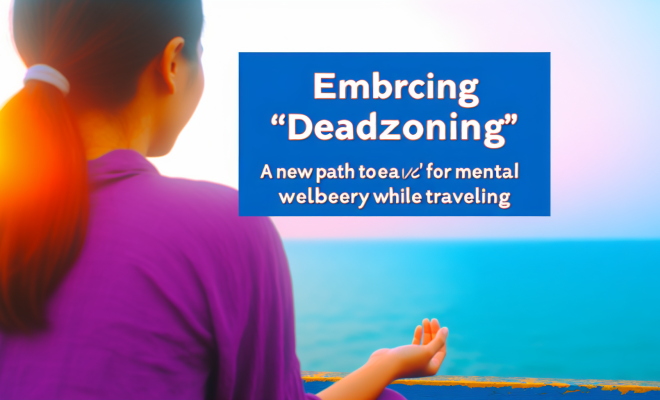
In an age where we are perpetually connected, the concept of ‘deadzoning’ is emerging as a refreshing antidote for travelers seeking mental clarity and rejuvenation. This trend encapsulates the idea of completely disconnecting from technology and the relentless demands of constant communication while exploring new places. Particularly popular among millennials and Gen Z travelers, deadzoning emphasizes mental health and presence over productivity, allowing individuals to immerse themselves fully in their travel experiences.
The Essence of Deadzoning
Deadzoning is not merely about turning off your phone; it embodies a broader philosophy of stepping away from the digital noise that often accompanies modern travel. In the hustle and bustle of daily life, we frequently find ourselves tethered to our devices, consuming emails, attending Zoom meetings, and engaging with AI-generated content. As a result, many travelers feel compelled to maintain that same connectivity even while on vacation, leading to a paradox where trips meant for relaxation become sources of stress.
Disconnecting for Mental Health
Travel experts argue that the deadzoning trend represents a significant shift in how individuals prioritize their well-being while traveling. Instead of focusing on productivity, travelers are increasingly seeking meaningful disconnection as a path to enhancing their mental health. This departure from traditional tourism reflects a growing awareness of the importance of presence and mindfulness during travel.
Understanding the Demographic Shift
The appeal of deadzoning is particularly pronounced among younger generations. Millennials and Gen Z travelers are making conscious choices to prioritize their mental wellness, often choosing experiences that foster personal growth and self-reflection. This demographic shift is reshaping the travel industry, pushing businesses to adapt to these evolving preferences.
Travel Preferences of Millennials and Gen Z
- Focus on Experiences: Rather than accumulating material possessions, younger travelers prioritize memorable experiences that enhance their quality of life.
- Wellness Tourism: There is a growing interest in wellness retreats, nature escapes, and activities that promote mental and physical well-being.
- Simplified Travel: Many prefer domestic travel, which allows for a deeper connection with their surroundings and a break from the fast-paced lifestyle.
Practical Ways to Embrace Deadzoning
Implementing deadzoning into your travel plans can be straightforward and fulfilling. Here are some practical steps to consider:
- Choose Your Destination Wisely: While exotic international trips are enticing, many rewarding experiences can be found closer to home. Consider exploring national parks, local retreats, or quaint towns that allow you to disconnect from the chaos.
- Set Boundaries: Before your trip, establish boundaries regarding technology use. This might mean placing your phone on airplane mode, limiting social media, or even leaving your devices behind.
- Engage in Mindful Activities: Plan activities that encourage mindfulness, such as hiking, yoga, or meditation. These practices can help you reconnect with yourself and the environment.
- Practice Gratitude: Take time each day to reflect on your experiences and express gratitude for the moments you encounter during your travels.
Local Travel: A Gateway to Deadzoning
One of the most significant advantages of the deadzoning trend is that it does not necessitate expensive international travel. Instead, many travelers are finding that domestic trips provide ample opportunities to disconnect and rejuvenate.
Exploring Domestic Destinations
Domestic travel can often yield just as enriching experiences as international destinations. Here are some ideas for local trips that promote deadzoning:
- Nature Escapes: National parks, lakes, and mountains offer serene environments where you can disconnect from technology and reconnect with nature.
- Beach Getaways: A simple beach trip can provide the perfect backdrop for relaxation and reflection, far removed from the distractions of daily life.
- Wellness Retreats: Many local wellness retreats focus on holistic health, mindfulness, and personal growth, making them ideal for deadzoning.
The Benefits of Deadzoning
Engaging in deadzoning while traveling can have a range of positive effects on mental and emotional well-being. Some of the benefits include:
- Reduced Stress: Disconnecting from technology allows you to leave behind the stressors of everyday life, leading to a more relaxed state of mind.
- Enhanced Presence: By focusing on the present moment, travelers can cultivate a deeper appreciation for their surroundings and experiences.
- Improved Mental Clarity: Time away from screens and constant notifications can result in improved focus and mental clarity, allowing for better problem-solving and creativity.
Challenges of Embracing Deadzoning
While the concept of deadzoning has its benefits, it is not without challenges. Some travelers may struggle with the idea of disconnecting completely, fearing they might miss important communications or feel isolated without their devices.
Overcoming the Challenges
To address these concerns, consider the following strategies:
- Communicate Your Plans: Inform friends, family, and colleagues about your intent to disconnect. This can reduce anxiety about missing important communications.
- Gradual Disconnection: If the thought of completely turning off your devices is overwhelming, try gradually reducing your screen time leading up to your trip.
- Establish Check-In Times: Allow yourself designated times to check messages if necessary, while still committing to the deadzoning experience.
Conclusion: The Future of Travel with Deadzoning
As the travel landscape continues to evolve, embracing the deadzoning trend may become an essential component of how we experience the world. By prioritizing mental health and well-being over productivity, travelers can foster deeper connections with themselves and their surroundings. In an increasingly connected world, the art of disconnecting is not just a trend but a transformative practice that can lead to more enriching and fulfilling travel experiences.
Whether through domestic adventures or mindful retreats, the principles of deadzoning are accessible to everyone, allowing individuals to craft their unique journeys toward mental clarity and presence. As we move forward, the deadzoning trend is likely to shape the future of travel, inviting more people to step away from screens and into the beauty of the present moment.