The Nutritional Revolution: How GLP-1 Medications Are Transforming the Frozen Food Aisle
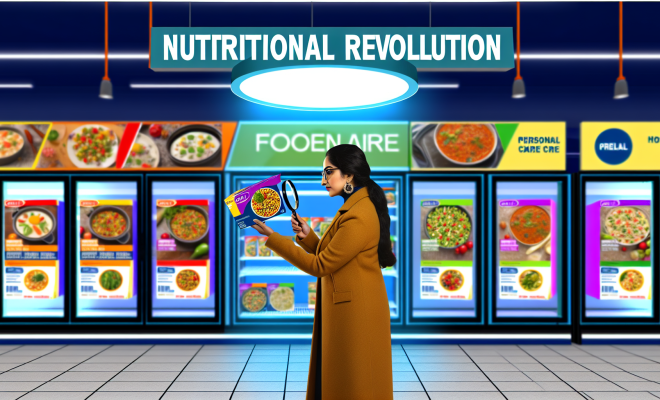
The landscape of frozen foods is undergoing a significant transformation, largely driven by the rise of GLP-1 medications. These prescription drugs, known for their effectiveness in weight management, are influencing consumer choices and prompting food manufacturers to rethink their product offerings. As health consciousness grows, especially among those using GLP-1 medications, the demand for nutrient-dense, portion-controlled meals in the frozen food aisle has surged.
Understanding GLP-1 Medications
GLP-1, short for glucagon-like peptide-1, is a hormone that plays a crucial role in regulating appetite and insulin secretion. Medications that mimic GLP-1 have been embraced in recent years as effective tools for weight loss, helping individuals manage their cravings and promote a feeling of fullness. Popular examples include drugs like semaglutide and liraglutide, which are primarily prescribed for obesity and type 2 diabetes.
Shifting Consumer Behavior
The increasing popularity of GLP-1 medications is not just changing individual eating habits; it is reshaping the entire frozen food market. As consumers become more health-conscious, they are gravitating towards meals that offer nutritional benefits without excessive calories. This trend is particularly strong among those who are actively using GLP-1 medications, leading to a broader societal shift towards healthier eating.
The Rise of Nutrient-Dense Options
In response to this evolving consumer landscape, food companies are reformulating their frozen products to emphasize health and wellness. They are prioritizing:
- Nutrient-Dense Ingredients: Manufacturers are increasingly incorporating whole grains, lean proteins, and an array of colorful vegetables into their frozen meals. This shift aims to enhance the nutritional profile while maintaining taste and convenience.
- Portion Control: Recognizing the importance of moderation, many brands are offering smaller serving sizes. This approach caters to consumers’ desire for controlled eating, especially for those on GLP-1 medications who may experience altered hunger cues.
- Clean Labels: Today’s consumers are more informed than ever. They prefer products with minimal processing and recognizable ingredients, leading brands to adopt cleaner labels that reflect these values.
Industry Response: Reformulations and Innovations
The frozen food industry is not just responding reactively; it is proactively innovating to meet the demands of health-conscious consumers. Major brands are investing in research and development to create meals that are not only convenient but also nutritionally balanced. This includes the introduction of:
- Frozen Vegetable Medleys: These products combine multiple vegetables in one package, making it easier for consumers to add nutrients to their meals without the hassle of preparation.
- Protein-Packed Meals: Frozen dishes that feature plant-based proteins or lean meats are becoming increasingly popular, catering to a variety of dietary preferences while ensuring adequate protein intake.
- Low-Calorie Options: Many brands are launching low-calorie frozen meals that do not compromise on flavor, targeting both health-conscious consumers and those on weight management medications.
Consumer Education and Awareness
As this trend evolves, consumer education becomes paramount. Brands are focusing on marketing strategies that highlight the nutritional benefits of their reformulated products. This includes clear labeling, informative packaging, and engaging advertising campaigns that emphasize health benefits. Educational initiatives may also extend to social media platforms, where influencers and nutritionists can share insights about balanced frozen meal options.
Challenges Ahead
While the shift toward nutrient-dense frozen meals is promising, challenges remain. The cost of sourcing high-quality ingredients can lead to higher retail prices, which may deter some price-sensitive consumers. Additionally, not all frozen food manufacturers are equipped or willing to reformulate their products, creating a divide in the market between those who adapt and those who do not.
The Future of Frozen Foods
Looking ahead, the impact of GLP-1 medications on the frozen food aisle is likely to continue. As more consumers prioritize nutrition and health, food companies will need to remain agile and innovative. The integration of technology, such as app-based meal planning and nutrition tracking, may further shape the way consumers interact with frozen food products. Moreover, as the understanding of nutrition and health evolves, the frozen food aisle could become a beacon of convenience and wellness.
Conclusion
In summary, the rise of GLP-1 medications is catalyzing a significant shift in the frozen food market, pushing brands to create healthier, portion-controlled options that resonate with today’s health-conscious consumers. As this trend continues to unfold, the frozen aisle may very well become a showcase for the future of nutritious eating—where convenience meets health without compromise.