North Korean Hackers Exploit Axios NPM Package in Supply Chain Attack
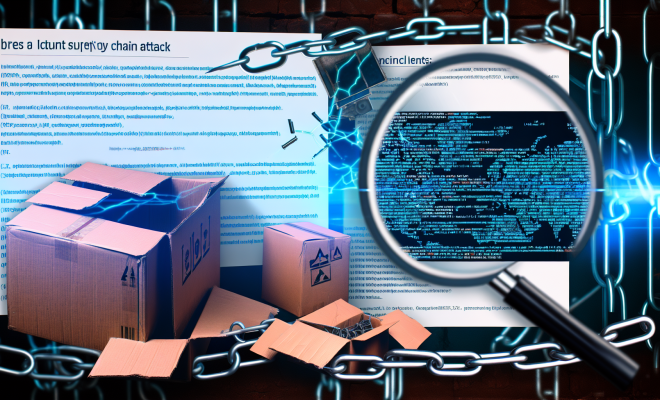
In a worrying development for the cybersecurity landscape, North Korean hackers have successfully infiltrated the widely-used Axios NPM package, introducing backdoored versions of the software into the ecosystem. This incident underscores the growing threat posed by advanced threat actors, particularly in the realm of open-source software dependencies.
The Supply Chain Attack Unveiled
According to cybersecurity experts, the breach involved the use of a compromised long-lived access token, which allowed the attackers to publish malicious versions of the Axios package without raising immediate suspicions. Axios is a popular HTTP client for JavaScript, widely utilized by developers and organizations to facilitate communication between client-side applications and servers.
Understanding the Attack Vector
The attack has raised significant concerns about the security of open-source software repositories, particularly those that house libraries and packages relied upon by millions of applications worldwide. The compromised access token was reportedly exploited to upload backdoored code, which could potentially allow attackers to execute arbitrary code on any system utilizing the tainted package.
Open-Source Vulnerabilities
Open-source software is inherently vulnerable due to its collaborative nature. While it promotes innovation and transparency, it also exposes developers to risks associated with malicious contributions. This incident highlights the need for developers to exercise caution when integrating third-party packages into their applications, as even well-known libraries can be compromised.
Implications for Developers
For developers, the breach serves as a stark reminder of the importance of maintaining robust security practices when managing software dependencies. Key considerations include:
- Regularly Auditing Dependencies: Developers should routinely check their project dependencies for vulnerabilities and ensure they are using the latest secure versions.
- Implementing Dependency Management Tools: Utilizing tools that track and manage dependencies can help identify potential security issues quickly.
- Engaging in Code Reviews: Conducting thorough reviews of third-party code can mitigate risks associated with integrating unverified packages.
The Role of Package Managers
Package managers play a crucial role in the software development lifecycle by simplifying the process of installing and managing libraries. However, as evidenced by the Axios incident, they can also become conduits for malicious activity if not properly secured. Organizations must ensure that their package managers are configured to verify the integrity of downloaded packages and restrict access to only authorized users.
Industry Response
The discovery of the backdoored Axios package has prompted an outcry from security professionals and organizations alike. Many are calling for enhanced security measures within the open-source community, advocating for:
- Improved Authentication Mechanisms: Strengthening access controls and requiring multi-factor authentication for package publishing can help thwart similar attacks.
- Increased Transparency: A push for clearer communication around package updates and changes can help developers remain vigilant about potential threats.
- Community Vigilance: Encouraging a culture of security awareness within development communities is vital to preemptively identify and address vulnerabilities.
Future Outlook
The Axios incident is a reminder of the ever-evolving landscape of cyber threats. With the rise of sophisticated threat actors, including state-sponsored groups, organizations must remain vigilant and proactive in their security practices. As open-source software continues to dominate the development landscape, the need for stringent security protocols and best practices will only become more paramount.
In conclusion, the breach of the Axios NPM package serves as a critical wake-up call for developers and organizations that rely on open-source software. By prioritizing security and adopting comprehensive risk management strategies, the industry can work together to mitigate the risks associated with supply chain attacks and safeguard the integrity of the software ecosystem.