China’s ‘AI Plus Education’ Initiative: Transforming Classrooms
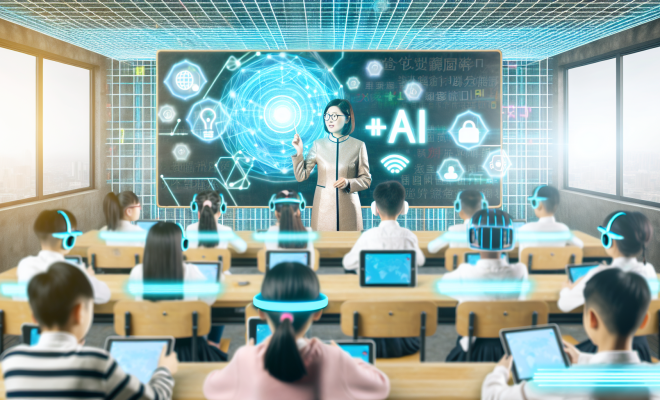
As part of its broader push towards digital transformation, China has announced the launch of an ambitious initiative known as ‘AI Plus Education’. This program aims to integrate artificial intelligence (AI) into classrooms across the nation, starting from an early age. The initiative is a key component of Beijing’s efforts to modernize its education system and prepare students for a tech-driven future.
Vision for the Future
The ‘AI Plus Education’ initiative is designed to harness the power of AI to enhance learning and teaching methods within classrooms. The Chinese government recognizes that technology is not only reshaping industries but also the landscape of education itself. By introducing AI at an early stage in education, the initiative aims to create a more engaging and personalized learning experience for students.
Context of the Initiative
This initiative aligns with China’s ongoing commitment to digital transformation across various sectors. The education sector, in particular, is seen as crucial for the nation’s long-term economic growth and innovation. By integrating AI into education, China hopes to cultivate a generation of tech-savvy individuals who can adapt to and thrive in an increasingly digital world.
Implementation Strategy
While specific details regarding the implementation timeline and the types of technologies to be used have yet to be disclosed, the Chinese government has emphasized the importance of starting early. The initiative will likely involve collaboration with educational institutions, technology companies, and possibly international partners to develop AI tools tailored for classroom use.
- Personalized Learning: AI technology can analyze students’ learning patterns and tailor educational content to meet their individual needs.
- Interactive Learning: AI can facilitate interactive learning experiences, making lessons more engaging through gamification and real-time feedback.
- Administrative Efficiency: AI can streamline administrative tasks for teachers, allowing them to focus more on instruction and student interaction.
Potential Benefits of AI in Education
The integration of AI in classrooms holds significant promise for improving educational outcomes. Here are some potential benefits:
- Enhanced Engagement: AI-powered tools can create dynamic learning environments that capture students’ attention.
- Increased Accessibility: AI can help bridge learning gaps for students with disabilities or those who require additional support.
- Data-Driven Insights: Educators can leverage AI analytics to understand student performance better and adapt their teaching strategies accordingly.
Challenges Ahead
Despite the promising prospects of the ‘AI Plus Education’ initiative, several challenges may arise during its implementation:
- Infrastructure Needs: Schools may require significant upgrades to their existing infrastructure to support new AI technologies.
- Teacher Training: Educators will need comprehensive training to effectively integrate AI into their teaching practices.
- Equity Concerns: Ensuring equal access to AI technologies across different regions and socioeconomic backgrounds will be crucial to avoid widening the educational divide.
International Perspective
China’s initiative mirrors global trends where countries are increasingly adopting technology in education. Various nations are exploring similar paths, emphasizing the significance of equipping students with digital skills deemed essential for the future workforce. However, the rapid pace of AI development raises ethical and privacy concerns that need to be addressed universally.
Conclusion
The launch of the ‘AI Plus Education’ initiative marks a significant step for China in its quest to integrate advanced technologies into its education system. While the specific implementation details remain unclear, the initiative promises to reshape how students learn and interact with knowledge. As the program unfolds, it will be vital to monitor its progress and address the challenges that may arise to ensure a successful transition into a tech-enhanced educational landscape.