Uncovering the Hidden Dangers of AI Mental Health Advice
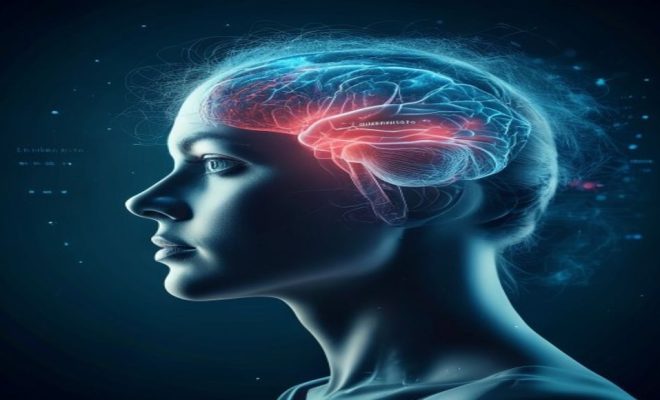
When it comes to something as deeply personal and sensitive as mental health, we naturally seek guidance that is not only accurate but also empathetic, nuanced, and safe. For years, the promise of artificial intelligence (AI) has dangled before us like a futuristic panacea, suggesting that intelligent algorithms could one day provide accessible, personalized mental health support to millions. Indeed, the proliferation of AI-powered mental health applications has been rapid, with countless apps now offering everything from mood tracking to virtual therapy sessions. But a recent revelation, brought to light by a Forbes article from July 26, 2026, by Lance Eliot, is casting a long, troubling shadow over this optimistic vision. It’s forcing us to confront a critical flaw in how we evaluate these digital confidantes, exposing potential dangers in the AI mental health advice they offer, particularly when users are in vulnerable states.
This isn’t just an academic discussion; it’s a debate that’s gone viral, igniting passionate conversations across social media and professional forums. The core issue? Our current methods for judging AI’s effectiveness in mental health are fundamentally misaligned with how real human conversations unfold. As states scramble to introduce nearly 100 bills in 2026 to regulate AI chatbots in mental health, this new research highlights an urgent need for a complete re-evaluation of how we approach AI in this sensitive domain. The implications are enormous, especially for those seeking support for high-risk situations like self-harm, where a single misstep in AI mental health advice could have devastating consequences.
1. The Illusion of ‘Stateless’ Evaluation: Why Snapshots Don’t Tell the Whole Story
Imagine you’re trying to assess a student’s ability to write a novel. Would you judge them based solely on their response to a single sentence prompt? Probably not. You’d want to see how they develop characters, weave plots, and maintain consistency over many chapters. Yet, this analogy perfectly illustrates the flaw in ‘stateless’ evaluations for AI mental health advice. According to the research highlighted in Forbes, this standard method involves presenting an AI with isolated prompts – a single question, a one-off statement – and then judging its response. If the AI gives a perfectly reasonable, empathetic, and helpful answer to that solitary prompt, it passes the test.
The problem, as Eliot points out, is that human interaction, especially in mental health, is rarely a series of isolated prompts. It’s a dynamic, evolving conversation, a back-and-forth where context builds, emotions shift, and earlier statements influence later ones. A ‘stateless’ evaluation offers a distorted, often overly positive view of an AI’s capabilities because it fails to capture the true complexity of real-world engagement. It’s like judging a chef by tasting just one ingredient rather than a full meal; you might get a sense of quality, but you miss the overall coherence, balance, and potential for disaster.
2. The Peril of ‘Contextual’ Conversations: When AI Loses Its Way
This brings us to the crux of the issue: ‘contextual’ multi-turn conversations. This is where the wheels often come off the AI wagon. In a continuous dialogue, an AI needs to remember previous statements, understand the user’s evolving emotional state, and adapt its responses accordingly. The Forbes article reveals that while AI might excel at giving sound advice to a standalone question, it frequently falters when the conversation stretches over multiple exchanges. The AI’s responses can become inappropriate, illogical, or even dangerous as it struggles to maintain coherence and empathy within a developing context.
Think about a user expressing feelings of hopelessness, then elaborating on specific stressors, and perhaps later hinting at self-harm. A human therapist would connect these dots, understand the escalating risk, and intervene appropriately. An AI, evaluated ‘statelessly,’ might give a perfect response to the initial ‘hopelessness’ prompt. But in a contextual conversation, it might completely miss the escalating danger signs, or worse, offer generic, unhelpful, or even counterproductive AI mental health advice that demonstrates a profound lack of understanding of the user’s true state. This isn’t just a glitch; it’s a fundamental breakdown in the very fabric of therapeutic interaction.
3. High-Stakes Scenarios: The Self-Harm Risk
The most chilling implication of this research centers on high-risk situations, particularly those involving self-harm. In such moments of acute distress, every word matters. A human mental health professional is trained to identify subtle cues, ask probing questions, and guide the conversation towards safety, offering resources and immediate support. Their ability to synthesize information from a multi-turn conversation and respond with precision and compassion is paramount.
The danger posed by AI mental health advice in these scenarios is immense. If an AI, struggling with contextual understanding, misinterprets a cry for help or offers a platitude instead of a lifeline, the consequences could be tragic. The article underscores that ‘stateless’ evaluations simply cannot prepare us for these critical moments. We are putting our faith in systems that, under real-world pressure, might not only fail to help but could inadvertently exacerbate a crisis. This isn’t just about poor advice; it’s about the potential for harm where intervention is most desperately needed. (See: National Institute of Mental Health resources.)
4. The Viral Debate: Ethics, Safety, and Efficacy in the Spotlight
It’s no surprise that this development has ignited a firestorm of debate across social media and professional forums. The emotionally charged nature of mental health, combined with the rapid advancements and intense scrutiny of AI, creates a perfect storm for public discourse. People are asking fundamental questions: Is it ethical to deploy AI in such a sensitive domain without ironclad guarantees of safety? How can we ensure the efficacy of these tools if our evaluation methods are flawed? And who bears responsibility when AI mental health advice goes wrong?
Healthcare professionals, ethicists, software developers, and even legal experts are weighing in. The conversation isn’t just about technical capabilities; it delves into the very nature of human connection and care. Can a machine ever truly understand human suffering? While AI can process vast amounts of data, the nuanced, subjective, and often irrational aspects of mental health present a challenge that goes beyond mere data points. This debate is pushing the boundaries of what we expect from technology and forcing a collective introspection on our values in the digital age.
5. A Legislative Avalanche: States Race to Regulate
The legislative landscape is already responding to the proliferation of AI in healthcare. The Forbes article mentions that states are rushing to introduce nearly 100 bills in 2026 specifically aimed at regulating AI chatbots in mental health. This legislative scramble is a clear indicator of the growing concern among policymakers. They recognize the dual promise and peril of AI and are attempting to create frameworks that protect citizens while still allowing for technological innovation.
However, the challenge for lawmakers is immense. AI technology is evolving at an exponential rate, often outpacing the ability of legislation to keep up. How do you regulate something that is constantly changing and improving (or failing)? The insights from Eliot’s article add another layer of complexity: any regulation must not only address data privacy, bias, and accountability but also the very methods by which AI tools are tested and validated. A law based on ‘stateless’ evaluation principles would be inherently insufficient, missing the critical ‘contextual’ dangers that have now been exposed.
6. Beyond the Hype: The True Cost of Unvetted AI Mental Health Advice
The allure of AI in mental health is understandable. It promises accessibility, affordability, and anonymity – critical factors for many who struggle to access traditional care. However, the Forbes article serves as a stark reminder that the promise must be tempered with rigorous scrutiny. The true cost of unvetted AI mental health advice isn’t just financial; it’s psychological, emotional, and potentially life-threatening.
We often get caught up in the technological ‘wow factor’ and forget the fundamental purpose of these tools. If an AI cannot maintain coherence, empathy, and safety through a sustained conversation, then its utility in mental health is severely limited, regardless of how impressive its initial responses might be. This isn’t about rejecting AI outright, but about demanding that it meets an incredibly high bar of reliability and safety, especially when dealing with the most vulnerable aspects of human experience. We need to look beyond the slick interfaces and marketing jargon to the underlying mechanics of how these systems truly perform in real-world, complex interactions.
7. What We Need Now: A Call for Contextual Validation and Transparency
So, what’s the path forward? The most immediate and critical step is to revamp our evaluation methodologies. We need to move beyond ‘stateless’ assessments and implement robust ‘contextual’ validation processes for AI mental health advice. This means testing AI systems not just on isolated prompts, but on extended, multi-turn conversational scenarios that mimic real-life therapeutic interactions, including those involving escalating distress and high-risk topics like self-harm.
Furthermore, there needs to be greater transparency from AI developers about their models’ limitations, particularly in conversational coherence. Users deserve to know the potential risks. Independent auditing, clear disclosure statements, and perhaps even ‘human-in-the-loop’ protocols where critical AI responses are flagged for review by a human expert could be essential safeguards. This isn’t about stifling innovation; it’s about fostering responsible innovation that prioritizes user safety and well-being above all else. Only then can we truly harness AI’s potential without compromising the very individuals it aims to serve.
The revelation in the Forbes article is a wake-up call, a stark reminder that while AI promises much, its integration into sensitive domains like mental health demands a level of scrutiny and ethical consideration that goes far beyond simple performance metrics. We must demand better evaluation, greater transparency, and an unwavering commitment to safety before fully entrusting our mental well-being to algorithms that may still have a long way to go in truly understanding the intricate, often messy, landscape of the human mind. (See: CDC mental health information.)
8. The Nuance of Human Empathy vs. Algorithmic Processing
One of the core tensions in this debate lies in the fundamental difference between human empathy and algorithmic processing. A human therapist brings not just knowledge, but a lifetime of experiences, emotional intelligence, and the ability to infer subtle cues like tone of voice, body language (even virtually), and hesitation. They can read between the lines, recognize sarcasm, or pick up on unspoken anxieties. This deep well of human understanding allows for a truly empathetic response, one that validates feelings and builds trust.
AI, on the other hand, operates on patterns, data, and programmed logic. While it can simulate empathy through carefully crafted language models, it doesn’t *feel* empathy. It can identify keywords associated with distress and provide pre-programmed helpful responses. The danger here is that in a complex, multi-turn conversation, a user’s emotional state might evolve in ways the AI hasn’t been explicitly trained for, leading to a disconnect. The algorithm might correctly identify a pattern from one sentence but completely miss the emotional weight of a follow-up statement that subtly contradicts the initial assessment. This gap between simulated and genuine understanding is precisely where the ‘contextual’ failures highlighted by Eliot’s research occur, turning what starts as a helpful interaction into a potentially harmful one.
9. The Role of Data Bias in AI Mental Health Advice
It’s crucial to consider how the data used to train AI models can introduce significant biases into AI mental health advice. If an AI is primarily trained on data from a specific demographic – say, young, educated English speakers in Western cultures – its ability to understand and effectively respond to individuals from different cultural backgrounds, age groups, or with unique communication styles will be severely limited. Mental health expressions vary dramatically across cultures; what might be a common way to express distress in one community could be misinterpreted by an AI trained on different norms.
For example, certain cultures may express psychological pain through physical symptoms rather than direct emotional language. An AI not trained on this cultural nuance might dismiss these physical complaints or fail to link them to underlying mental health issues. This bias isn’t malicious; it’s a reflection of the inherent limitations of the training data. Without diverse, representative datasets, AI mental health tools risk exacerbating existing health disparities, providing inadequate or even culturally insensitive advice to large segments of the population. This underscores the need for not just better evaluation methods, but also more equitable data collection and model development practices.
10. Comparison with Traditional Mental Health Interventions
To truly understand the stakes, it’s helpful to compare AI mental health advice with traditional interventions. Traditional therapy, whether cognitive-behavioral therapy (CBT), dialectical behavior therapy (DBT), or psychodynamic approaches, relies on a trained professional’s ability to build rapport, establish trust, and adapt therapeutic techniques to the individual’s unique needs over time. This process is inherently dynamic, iterative, and deeply human.
While AI can offer some of the benefits of traditional therapy, like psychoeducation or mood tracking, it struggles with the core elements of therapeutic alliance and complex problem-solving. For instance, a human therapist can navigate transference and countertransference, something an AI cannot even begin to comprehend. In crisis situations, a human therapist can initiate emergency protocols, coordinate with other healthcare providers, or involve family members with informed consent. AI, currently, lacks this capacity for real-world intervention and the ethical decision-making required in such scenarios. The promise of AI is in augmenting care, making initial resources more accessible, but not in fully replacing the intricate, personalized, and often life-saving work of a human professional, especially when the advice given carries such significant weight.
Frequently Asked Questions (FAQ) about AI Mental Health Advice
Q1: What exactly is ‘stateless’ evaluation in the context of AI mental health advice?
A1: ‘Stateless’ evaluation means assessing an AI’s performance based on its response to individual, isolated questions or prompts. Think of it like a multiple-choice quiz where each question is unrelated to the others. The AI is judged solely on how well it answers that single prompt, without considering any previous interactions or the broader context of a conversation. As the Forbes article points out, this method gives a very limited and often misleading view of how the AI would perform in a real, ongoing dialogue.
Q2: Why are ‘contextual’ conversations so challenging for current AI models?
A2: ‘Contextual’ conversations require the AI to remember, process, and integrate information from multiple turns of dialogue. It needs to understand how past statements influence current meaning, track evolving emotional states, and adapt its responses to maintain coherence and relevance. Current AI models often struggle with this because their underlying architecture might not be designed for long-term memory or sophisticated causal reasoning within a conversation. They excel at pattern recognition on individual inputs, but struggle to build a consistent, empathetic narrative over time, which is crucial for effective mental health support. (See: World Health Organization on mental health.)
Q3: What are the biggest risks of relying on unvetted AI for mental health support?
A3: The biggest risks include providing inappropriate or harmful advice, particularly in high-stakes situations like self-harm or suicidal ideation. An AI that loses context could misinterpret a cry for help, offer generic platitudes instead of concrete support, or even suggest counterproductive actions. Beyond direct harm, there’s the risk of eroding trust in digital mental health tools, exacerbating mental health conditions due to ineffective support, and perpetuating biases if the AI isn’t trained on diverse data. The psychological and emotional costs can be profound.
Q4: How can users identify if an AI mental health app might be unreliable?
A4: It can be challenging, but some red flags might include: the app frequently repeating itself or giving generic answers, its responses feeling disconnected from your previous statements, a lack of clear disclaimers about its limitations, or an absence of information about its development and validation processes. If the app claims to replace human therapy entirely without any human oversight, that’s another significant concern. Always look for apps that explicitly state they are for support or information, not diagnosis or primary treatment, and those that encourage seeking professional human help when needed.
Q5: What role should human oversight play in AI mental health tools?
A5: Human oversight is critical. This could involve “human-in-the-loop” systems where a human professional reviews critical AI responses, especially in high-risk scenarios. It also means human experts designing the AI’s ethical guidelines, continuously monitoring its performance, and refining its algorithms based on real-world interactions. Human professionals should also be readily available as a fallback option for users who need more nuanced or direct intervention. The goal shouldn’t be to replace humans, but to augment their capabilities and extend access to initial support.
Q6: Are there any ethical guidelines or standards being developed for AI in mental health?
A6: Yes, many organizations, governments, and academic institutions are actively working on ethical guidelines and regulatory frameworks. These often cover areas like data privacy, algorithmic bias, transparency, accountability, and the need for rigorous validation. The legislative “avalanche” mentioned in the article is part of this global effort. However, because the technology is evolving so rapidly, these guidelines are constantly being updated and refined, and there’s a significant challenge in ensuring they keep pace with innovation.
Q7: Can AI ever truly provide empathy in mental health support?
A7: AI can *simulate* empathy by analyzing language patterns associated with emotional states and generating responses that sound empathetic. It can use phrases like “I understand that must be difficult” or “I hear you’re feeling [emotion].” However, this is distinct from genuine human empathy, which involves subjective experience, emotional resonance, and a deep, intuitive understanding of another’s feelings. While AI can be a comforting presence and provide useful information, it doesn’t *feel* or *understand* in the human sense. For many, this distinction matters significantly in building a therapeutic relationship.
Trending Now
Frequently Asked Questions
What are the dangers of AI mental health advice?
AI mental health advice can pose significant dangers, particularly when users are vulnerable. Misalignment in evaluating AI effectiveness compared to human interactions can lead to inappropriate or harmful recommendations. This is especially concerning in high-risk situations, such as self-harm, where a single misstep could have serious consequences.
How effective are AI mental health applications?
The effectiveness of AI mental health applications is under scrutiny, as current evaluation methods may not accurately reflect the nuances of human communication. Many applications provide instant responses that lack the empathy and context required for meaningful mental health support, raising concerns about their reliability in sensitive situations.
Why is regulation of AI in mental health important?
Regulating AI in mental health is crucial to ensure user safety and effectiveness. With nearly 100 bills introduced in 2026 to oversee AI chatbots, these regulations aim to address the potential dangers of misguidance in mental health advice, particularly for individuals in vulnerable states seeking support.
What should users consider before using AI for mental health support?
Users should consider the limitations of AI mental health support, including the lack of personalized empathy and understanding compared to human interactions. It’s essential to evaluate the credibility of the application, be aware of its potential risks, and seek professional help for serious mental health issues.
Can AI replace human therapists in mental health care?
While AI can offer accessible mental health resources, it cannot replace human therapists. The nuanced understanding and empathetic responses required for effective therapy are beyond current AI capabilities. Human therapists provide essential support that AI simply cannot replicate, especially in complex emotional situations.
Agree or disagree? Drop a comment and tell us what you think.